The best equipment for pros and enthusiasts alike








 Professions
Whether you're a seasoned camper or an occasional bivouac enthusiast, properly maintaining your tent is essential to ensure its longevity and effectiveness. Here are 10 simple but effective tips to keep your tent in excellent condition season after season.
Table of Contents:
Cleaning your tent regularly after each use is essential to maintain its durability and effectiveness. After each outing, remove dirt, sand, and debris using a soft brush or damp cloth. Also clean the interior to prevent dust and residue accumulation. If stubborn stains appear, use a sponge with mild soapy water, without harsh chemicals that could damage the fabric. Make sure to rinse thoroughly and let the tent dry completely before storing it. Regular maintenance prevents premature wear and keeps your tent in excellent condition for your next adventures.
Drying your tent completely before storing it is crucial to prevent mold formation, bad odors and material deterioration. After each use, especially if the tent has been exposed to humidity or rain, hang it in a dry and well-ventilated place so it can dry entirely, including corners and seams. Don't fold it until it's completely dry. If you need to store it quickly, unfold it as soon as possible to let it dry. This will preserve your tent's integrity and ensure it remains in good condition for your future adventures.
Using a tarp under the tent, also called a "footprint," is an excellent way to protect the floor of your tent against wear and moisture. The tarp acts as a barrier against sharp objects like stones and roots, thus reducing the risk of tearing or puncturing the tent floor. It also helps prevent ground moisture from seeping through the tent, especially on wet or muddy terrain. Make sure the tarp is slightly smaller than the tent floor to prevent water from accumulating between the tarp and tent in case of rain. This extends your tent's lifespan and improves your comfort while camping.
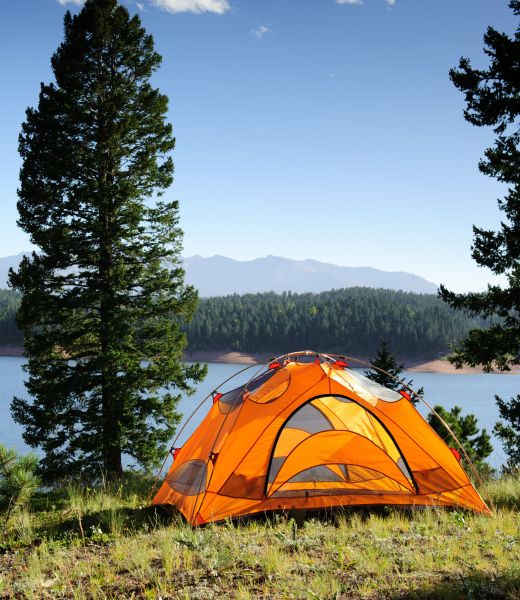
Protecting your tent's zippers is crucial to prevent them from wearing out or getting stuck. Clean them regularly to remove dirt, sand or debris that can accumulate and cause blockages. You can use a small soft brush or cloth for this. Lubricate the zippers with a specific product or wax pencil to facilitate their sliding and prevent wear. Avoid pulling on them abruptly, especially if they're under tension. By taking care of the zippers, you'll extend their lifespan and ensure a tight seal with each use.
Checking and maintaining the seams of your tent is essential to guarantee its waterproofing and resistance. Regularly examine the seams to spot potential damage, such as frayed fabric or unstitched areas. If you find damaged seams, apply a seam sealant to reinforce their waterproofing and prevent water infiltration. For very worn seams, it may be necessary to re-sew them with strong, water-resistant thread. Maintaining seams ensures optimal protection against weather and extends your tent's durability.
It is essential to store your tent in a dry and ventilated place to preserve its materials and prevent mold formation. After each use, make sure it is completely dry before folding and storing it. Avoid leaving it compressed in its carry bag for long periods, as this can damage the fabric and seams. Choose storage in a spacious area, away from humidity and direct sunlight, to allow the fabric to breathe and prevent bad odors. Proper storage considerably extends your tent's lifespan.
To repair a small tear on a tent, start by cleaning the area around the tear to remove dirt and moisture. Then, apply a repair tape designed for tents, carefully placing it over the tear and smoothing it well to avoid air bubbles. If you don't have tape, use a fabric-specific adhesive by applying a small amount to the edges of the tear, then press the parts together. For larger tears, sew the damaged area with strong thread, then reinforce with tape or a sealing product to ensure the repair's durability. This extends your tent's life without wasting too much time.
Using stakes appropriate for your tent and soil type is essential to ensure optimal stability. For hard ground, choose steel or aluminum stakes, which are more resistant and penetrate better. On soft or sandy ground, opt for longer and wider stakes, specially designed for this type of terrain. V-shaped or Y-shaped stakes provide better grip and prevent the tent from coming loose in windy conditions. Always drive stakes at a 45° angle for better resistance. Using the right stakes ensures your tent stays well anchored, even in difficult conditions.
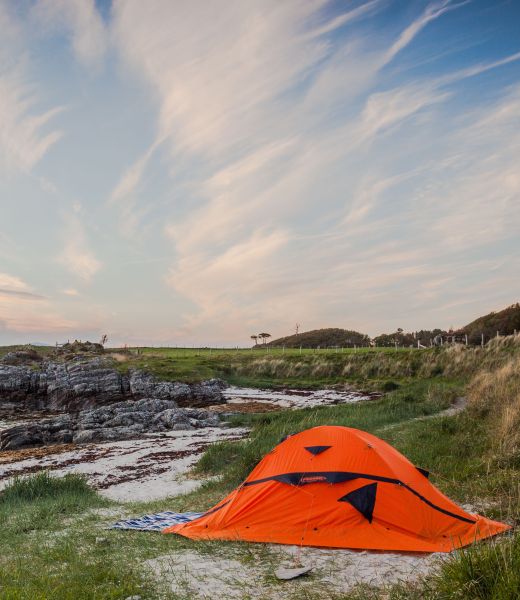
Avoiding prolonged exposure of your tent to the sun is essential to preserve its materials. UV rays can degrade fabrics, particularly those made of nylon or polyester, making them fragile and less waterproof. When possible, set up your tent in the shade or use a protective tarp to limit direct sun exposure. If you're camping for several days in the same location, change your tent's orientation or cover it during the day. This helps extend your tent's lifespan by reducing UV-related wear.
Regular inspection of your tent is crucial to quickly detect small problems before they become serious. Before and after each use, check the condition of the fabric, seams, zippers, and poles. Look for tears, worn areas or potential leaks. Also make sure the cords and stakes are in good condition. If you spot damage, repair it immediately with an appropriate repair kit. Regular inspection helps extend the life of your tent and ensures it's always ready for use.
By following these tips, you will not only extend the lifespan of your tent, but you will also guarantee more comfortable and secure camping experiences. A well-maintained tent will accompany you on many outdoor adventures and protect you, regardless of the weather. Take the time to clean, repair and store it properly to get the most out of it!
Whether for a hike, a bivouac or a simple weekend in nature, your tent deserves your full attention to remain efficient and reliable over the years.