The best equipment for pros and enthusiasts alike







 Professions
Rural guard is a profession rooted in French history, associated with the surveillance of rural areas and maintaining local order. This role, although little known today, is essential for security and territory management, as well as for environmental preservation. Let's delve into the specifics of this profession, its missions, its access conditions and its possibilities for advancement.
Table of Contents:
The rural guard is a territorial officer responsible for ensuring security and law enforcement in rural areas. His origins date back to the Middle Ages, when he watched over crops and ensured the tranquility of the countryside. This figure, often depicted in 19th-century literary accounts, saw his function decline in the mid-20th century when his presence was eliminated in many rural municipalities.
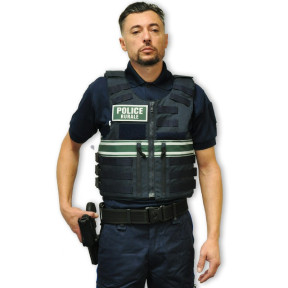
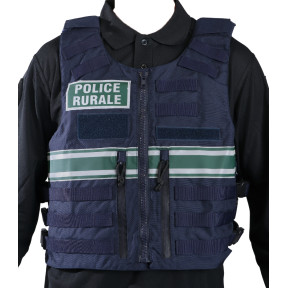
Today, the rural guard is employed by municipalities or rural community councils and works under the authority of the mayor. He is responsible for security, prevention and environmental protection missions, while working closely with the national gendarmerie and other local public services. He ensures the application of local regulations, such as those on hunting and fishing, and the protection of natural spaces.
To access the profession of rural guard, within the rural police, it is necessary to have a level 3 diploma, which corresponds to a CAP (Certificate of Professional Aptitude) level or a BEP (Certificate of Professional Studies). This level of qualification ensures that candidates have acquired the basic knowledge necessary to practice this demanding profession, which combines legal, administrative and interpersonal skills.
A clean criminal record is also required. This morality requirement is crucial, as the rural guard is a sworn officer, responsible for enforcing local laws and regulations. A clean criminal record demonstrates the candidate's integrity and reliability, qualities that are essential for such a position of trust.

divion.fr
Access to the position of rural guard is through an external competition organized by the Territorial Public Service Management Centers (CGFPT). This competition includes written tests, physical tests as well as an interview. Selected candidates are placed on an eligibility list, after which they can be appointed by a mayor or an intercommunal president. During their first year of service within the rural police, new rural guards are on probation and follow an Initial Application Training (FIA), which includes theoretical courses and practical missions on subjects such as public law, administrative procedures, and field intervention techniques.
The responsibilities of the rural guard include recording and issuing violations of municipal ordinances, particularly those related to the traffic code, fishing, and hunting. As a sworn officer, he has access to vehicle registration databases and can check hunting and fishing licenses, confiscate weapons, and proceed with vehicle seizures when necessary.
The rural guard is also called upon to manage neighborhood conflicts, noise disturbances, illegal waste dumping, and animal abuse, making him a local actor in preserving public order.
His mission also extends to environmental protection, with actions against pollution, illegal dumping, and fire risks, while ensuring the preservation of local fauna and flora. Furthermore, he informs citizens about local rules through public posting and may be called upon to testify before the courts in case of prosecution. In summary, the rural guard, with his multiple functions, ensures both law enforcement and the tranquility of rural life.
Like any profession, that of rural guard has positive aspects and challenges:
Advantages:
The profession of rural guard has several advantages. First, it offers the opportunity to work outdoors, in direct contact with nature, which avoids the monotony of offices and allows one to enjoy a peaceful work environment. Next, this role brings a deep sense of mission, as the rural guard actively participates in environmental protection and the preservation of local biodiversity. In addition, the variety of tasks, ranging from monitoring natural spaces to enforcing regulations, including public awareness of environmental issues, enriches daily life and avoids routine.
Disadvantages:
The profession also has disadvantages. Working outdoors exposes the rural guard to weather conditions, which can make days difficult during bad weather or extreme temperatures. Furthermore, the rural guard can sometimes find himself isolated, far from colleagues or emergency services, especially in remote geographical areas or areas with low population density. This feeling of isolation can be overwhelming, particularly for those who prefer a more collaborative work environment.
 © Myrabella CC BY-SA 3.0
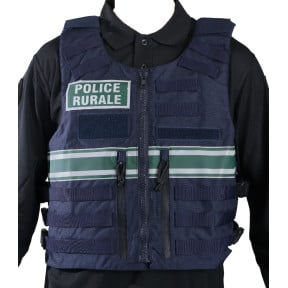
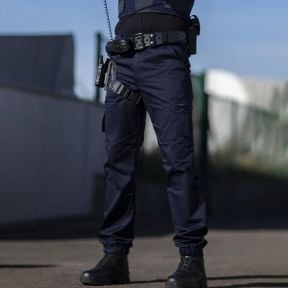
The compensation of a rural guard generally starts at the minimum wage level upon tenure. This base salary progresses with seniority and grade advancement. A rural guard can evolve from simple rural guard to principal rural guard, chief, then chief principal. At the peak of his career, a chief principal rural guard can earn a gross monthly salary of approximately 2,200 euros. In addition to fixed compensation, other benefits are added, such as the allocation of a professional uniform and a service vehicle whose costs are fully covered. It is also possible to receive a residence allowance and a family supplement based on the number of children. Bonuses may also be awarded for interventions outside normal service hours, particularly at night. Since 2021, the rural guard can benefit from the Individual Purchasing Power Guarantee (GIPA).
In terms of career prospects, experience as a rural guard can open doors to other functions within the territorial civil service, such as municipal police officer, for example, through an internal competition. In addition, the thorough knowledge of local and environmental regulations acquired in the field can also be valued in environmental management positions, such as conservation manager in natural reserves or park manager. These career possibilities demonstrate the versatility of the profession and the importance of skills acquired in the field of protection and management of natural spaces.
Rural guards are mainly employed by municipalities and community councils, especially in rural areas, to ensure environmental protection and enforce local laws. They can also work for regional natural parks or private estates that require ecological surveillance.
Working mainly outdoors and under the direct authority of the mayor, rural guards interact with citizens, the municipal police, the gendarmerie and other local actors. They may be required to intervene at various hours, including weekends or evenings, according to community needs.
The profession of rural guard, although less visible today, remains vital for rural area management and environmental protection. It is a profession for those who are passionate about nature, public safety, and who wish to have a direct impact on the preservation of their region. With its varied missions and unique work environment, the rural guard continues to be a key player in maintaining order and conservation in France.