 The best equipment for pros and enthusiasts alike




-
 Professions
-
-
-
-
-
-
-
-
All Tops
![All Tops]()
-
-
-
All Bottoms
![All Bottoms]()
-
-
-
All Footwear
![All Footwear]()
-
-
-
All Bags
![All Bags]()
-
-
-
All Accessories
![All Accessories]()
-
-
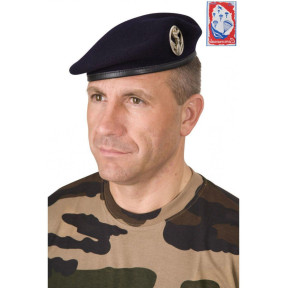
Wearing the beret is very common in the different corps of the army, and allows at a glance to identify which regiment a soldier belongs to! Initially worn by French Alpine hunters from 1891, it is used today by different armies such as the United States or Germany. This guide will allow you to spot the different types of berets existing in the French army...
Summary:
The dark blue beret
One of the most widespread berets is the dark blue one, also known as the "all-arms" beret. This dark blue beret is worn by regiments:
-
of infantry
-
of the armored corps
-
special cadre
-
expert officers corps
-
of artillery
-
of marine infantry
-
of the staff specialties group
-
of foot hunters
-
of air force commando riflemen
-
of the Franco-German Brigade
-
etc...
The beret is the same for all these regiments but among them, we can recognize them by the way it is worn. For example, the Franco-German Brigade wears the beret to the left with the insignia on the right. This is called wearing it "German style".
The red beret
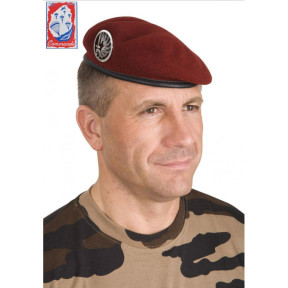
The red beret is reserved for metropolitan paratrooper regiments and marine troop paratroopers. It is also called "Amaranth" which is a purple-colored plant and is a symbol of immortality because it does not fade. It was from 1944 that the first paratrooper hunter regiments began wearing the "Amaranth" beret. Today, with few exceptions, all airborne units of the French army use it.
The green beret
The green beret is the one that can cause confusion. Why? Indeed, three shades of green represent several different regiments. The beret of Foreign Legion soldiers has worn a green beret since 1949 (initially attributed to the Foreign Parachute Battalions and later to the entire Foreign Legion). It should not be confused with that of the marine commandos who also wear a green beret which is slightly darker and paler...
The Alpine beret
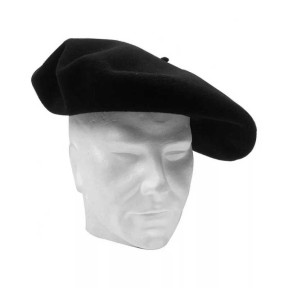
In addition to having been the first to wear the beret in the army, Alpine troops are very easily recognizable with their headgear. Much larger than the berets seen previously, the Alpine beret has become the trademark of Alpine hunters and its shape has given it the famous nickname of "pie".
And many others...
The military beret has now become essential in the majority of armies. There are many others like the black beret worn by the 4th, 5th, 16th and 17th hunter battalions or the light blue beret of the UN.
You are now an expert on military berets! You can find all these berets on the vetsécurite.com website...
Do you have a question?
When is the beret worn?
The beret is generally worn by military personnel when they are in uniform, particularly during official ceremonies, parades or during any event requiring the wearing of regulation uniform. Its wearing may also be required during training or daily activities in certain army units.
Are there specific rules regarding how the beret should be worn in the French army?
In the French army, wearing the beret is subject to specific rules aimed at ensuring a uniform and professional appearance while respecting military traditions. Thus, the beret must be positioned to slightly cover the right ear and be raised on the forehead, with its edge parallel to the ground, while the regimental insignia is generally placed on the side opposite to the row of jacket buttons. Additionally, it is important to keep the beret clean and in good condition, shaping it regularly to preserve its characteristic form. Finally, each unit may have its own practices regarding how to wear the beret, thus contributing to perpetuating military traditions within the French army.
What are the symbols or meanings associated with certain beret colors, such as the "Amaranth" red beret of metropolitan paratroopers and marine troops?
The colors of berets in the army are often loaded with specific symbols and meanings. For example, the red beret is associated with elite units like paratroopers, symbolizing courage and sacrifice. The green beret can represent different units, such as the Foreign Legion or marine commandos. Each color can reflect the history, tradition and prestige of the regiments that wear them, thus contributing to identity and cohesion within the army.
Related products
-35%
Related articles


How to choose your training equipment for combat and shooting?
Read the article
-
![Over 200 brands At the best price]() Over 200 brands At the best price
Over 200 brands At the best price -
![Secure payment In 3 or 4 interest-free installments]() Secure payment In 3 or 4 interest-free installments
Secure payment In 3 or 4 interest-free installments -
![Delivery across Europe From €79 of purchase]() Delivery across Europe From €79 of purchase
Delivery across Europe From €79 of purchase -
![Customer service Monday to Friday]() Customer service Monday to Friday
Customer service Monday to Friday


