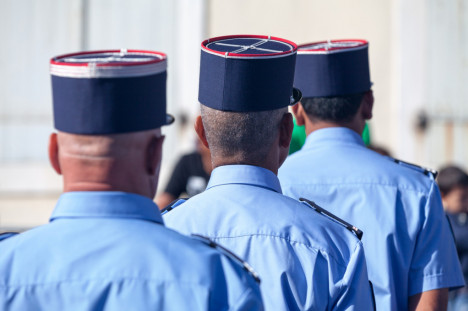
The National Police, as an institution guaranteeing public order, relies on a solid hierarchical structure, marked by the diversity of ranks and stripes. This hierarchy is essential to ensure proper functioning, coordination, and effectiveness of law enforcement.
Summary
- Design and Management Corps
- Command Corps
- Supervisory and Enforcement Corps
- Other Categories of Officers
- Rank evolution and perspectives
- Conclusion on Ranks and Stripes
The ranks and stripes of the National Police
Design and management corps
At the top of the hierarchy, we find the Director General, a true conductor defining the strategic directions of the ministry. Management positions involve a global vision and impactful decision-making.
The Divisional Commissioner embodies authority and competence, playing an essential role in coordinating security operations at the local level. Their presence within the National Police contributes to ensuring an effective response to contemporary security challenges.
 |
General Director (highest rank in the National Police)
- Direction and overall coordination of all National Police services.
- Design and implementation of national internal security strategy.
- Representation of the National Police to governmental authorities and international bodies.
- Supervision of human resources, training, and professional development policies within the police.
- Guardian of interministerial and inter-agency cooperation in security matters.
|
.jpg) |
Director of Active Services (right-hand of the General Director)
- Direct supervision of police operations throughout the national territory.
- Coordination of various active services (public security, judicial police, intelligence, etc.).
- Development and implementation of effective operational strategies.
- Maintaining public order and managing crisis situations.
- Leading operational cooperation with other law enforcement agencies (gendarmerie, municipal police).
|
.jpg) |
Inspector General (highest level in the command structure)
- Audit and inspection of various services and directorates of the National Police.
- Evaluation of procedures, practices, and security policies in force.
- Advice and recommendations for continuous improvement and innovation within police services.
- Participation in defining major strategic directions and public policies regarding security.
- Leadership in international relations and police cooperation on an international scale.
|
.jpg) |
General Controller (senior official in the National Police hierarchy)
- Coordination of police policies and operations at an interregional or national level.
- Supervision and evaluation of the performance of different police services.
- Strategic advisory to the general management of the National Police.
- Development of advanced training programs and skills development for police executives.
- Police representation in interministerial meetings and professional forums.
|
.jpg) |
Commissioner General (highest rank in the commissioners corps)
- Strategic leadership on large-scale projects and initiatives.
- Supervision of specialized divisions or departments within the National Police.
- Key advisor to general management on security policy issues.
- Representation of the police in national and international forums and meetings.
- Driving innovation and continuous improvement within services.
|
.jpg) |
Divisional Commissioner (senior rank within the commissioners corps)
- Direction of multiple police stations or specialized services within the police.
- Planning and implementation of public safety strategies at regional or departmental scale.
- Management of human and material resources in their sector, including professional development of personnel.
- Coordination and liaison with judicial authorities, local elected officials, and public safety partners.
- Supervision of complex operations and major investigations.
|
.jpg) |
Commissioner (basic rank of commissioners)
- Direction of a police station or specific unit.
- Management of human and material resources of their unit.
- Implementation of security directives and policies at the local level.
- Close collaboration with the justice system, local elected officials, and social partners.
- Ensuring the link between citizens and the police institution.
|
.jpg) |
Commissioner Trainee (preparation for the commissioner role)
- Intensive training at the National Police Academy (ENSP).
- Theoretical and practical learning on different aspects of the commissioner profession.
- Immersion internships in various police services for field experience.
- Development of skills in management, leadership, and decision-making.
- Preparation to assume responsibilities of police service management.
|
Command corps
The command corps encompasses ranks such as commander, captain, lieutenant, and second lieutenant. These operational leaders ensure team coordination in the field, implementing strategies from higher echelons.
The commander is often in charge of an important unit, supervising several teams and intervening in delicate situations. The captain is an essential link between the upper echelons and field personnel, ensuring the implementation of directives.
.jpg) |
Functional Divisional Commander (high rank within the command corps)
- Responsibility for operational management of several units or specialized services.
- Strategic project management and coordination of major operations.
- Development and implementation of public safety policies at regional or national level.
- Supervision of training and development of junior officers.
- Strategic and technical advice to senior management.
|
.jpg) |
Divisional Commander (senior executive in the command hierarchy)
- Direction and management of multiple units or a division within the police.
- Coordination of security operations and large-scale investigations.
- Supervision of daily activities and performance of units under their responsibility.
- Interaction and collaboration with local and regional authorities.
- Mentoring and professional development of junior officers.
- Direction and management of multiple units or a division within the police.
- Coordination of security operations and large-scale investigations.
- Supervision of daily activities and performance of units under their responsibility.
- Interaction and collaboration with local and regional authorities.
- Mentoring and professional development of junior officers.
|
.jpg) |
Commander (advanced rank in the command corps)
- Management of a specific unit or service within the police.
- Planning and execution of police operations and interventions.
- Supervision of investigations and law enforcement activities.
- Management of human and material resources of their unit.
- Ensuring compliance with procedures and regulations.
|
.jpg) |
Captain (intermediate role in the hierarchy)
- Command of a unit or section within the police.
- Operational responsibility for interventions and investigations.
- Supervision and training of subordinate officers.
- Collaboration with local and regional public security partners.
- Contribution to the development and improvement of practices within their unit.
|
.jpg) |
Lieutenant (first officer rank in the command corps)
- Command of a group of officers or a small unit.
- Daily management of operations and assigned missions.
- Active participation in field interventions.
- Supervision of officers and non-commissioned officers.
- Responsibility for continuous training and maintaining team skills.
|
.jpg) |
Captain Trainee (transition phase to captain rank)
- Advanced training in management, command, and police strategies.
- Practical internship under the supervision of experienced supervisors.
- Gaining experience in operations and team management.
- Assessment and validation of skills required for captain rank.
|
.jpg) |
Captain Trainee (initial training phase to become captain)
- Intensive program at the police academy, covering theory and practice.
- Internships in various units for complete field experience.
- Development of skills in leadership, crisis management, and communication.
- Preparation to assume command responsibilities within the police.
|
.jpg) |
Local Police Unit Manager (key operational position)
- Daily management of a local police unit.
- Supervision of interventions and community policing activities.
- Direct interaction with the community to strengthen local security.
- Human resources management and training coordination.
- Reporting and communication with higher levels of command.
|
.jpg) |
Exceptional Major (superior rank in the non-commissioned officers corps)
- Leadership and team management within a unit.
- Coordination and supervision of daily operations.
- Technical expertise and advice to officers.
- Contribution to officer training and mentoring.
- Management of complex situations and emergency interventions.
|
Supervisory and enforcement corps
The peace officers, sergeants, and police sergeants form the operational core. They carry out daily missions, ensuring public safety and intervening in various situations. The peace officer, first level, plays a crucial role in maintaining daily order.
The sergeant occupies a supervisory role, responsible for a team of officers. The police sergeant, meanwhile, can assume broader responsibilities, intervening in more complex situations.
The Peace Officer carries out operational missions in the field, actively contributing to maintaining public order and ensuring citizen safety. Their role involves patrols, interventions, and managing various situations.
.jpg) |
Major Sergeant (highest rank among non-commissioned officers)
- Supervision and coordination of activities of a group of sergeants and peace officers.
- Management of field operations and emergency interventions.
- Key role in training and mentoring subordinate personnel.
- Ensure compliance with operational procedures and directives.
- Interface between management and non-commissioned officers on operational matters.
|
.jpg) |
Chief Sergeant (intermediate position in the non-commissioned officer hierarchy)
- Direct command of a team of sergeants and peace officers.
- Responsibility for field operations and conducting assigned missions.
- Participation in planning and implementing local security strategies.
- Contribution to crisis and emergency situation management.
- Supervision of continuing education and professional development of officers.
|
.jpg) |
Sergeant (advanced rank among non-commissioned officers)
- Leadership of a small team of peace officers.
- Daily management of security and law enforcement missions.
- Active participation in interventions and police operations.
- Supervision and support of peace officers and deputy sergeants.
- Contribution to improving practices and procedures within the unit.
|
.jpg) |
Sub-Sergeant (initial supervisory role among non-commissioned officers)
- Direct supervision of a small group of officers.
- Management of operational tasks and routine interventions.
- Participation in patrol and surveillance operations.
- Assistance in training and guidance of peace officers.
- Interface between officers and higher command levels.
|
.jpg) |
Peace Officer (first rank in the police corps)
- Conducting patrols and basic interventions.
- Application of laws, regulations, and public security directives.
- Interaction with the public to ensure community safety and well-being.
- Participation in investigations under the supervision of senior supervisors.
- Contribution to maintaining public order and crime prevention.
|
Other categories of officers
Specific ranks such as reservist, cadet, and trainee officer cover particular roles. Civilian reservists reinforce personnel during exceptional situations. Cadets represent the future of the police, following specialized training. Trainee officers are in the initial learning phase, preparing their entry into the supervisory corps.
.jpg) |
Trainee Officer (initial training phase to become a Peace Officer)
- Theoretical and practical training at the police academy, covering all fundamental aspects of the profession.
- Learning security procedures, laws, and current regulations.
- Participation in real-situation internships under supervision, to gain field experience.
- Development of skills in communication, intervention, and conflict management.
- Continuous evaluation to validate the skills necessary for the Peace Officer function.
|
.jpg) |
ADS Police Assistant (entry position in the National Police for young adults)
- Assistance in daily security tasks and patrols.
- Participation in control and surveillance operations under officer supervision.
- Support in administrative and logistical activities of the police station.
- Interaction with the public to strengthen police presence in the community.
- Continuous training to develop basic skills in maintaining order and security.
|
.jpg) |
Civilian Reserve (complement to active police forces, composed of volunteer citizens)
- Support for police operations, particularly during special events or emergency situations.
- Assistance in administrative tasks and logistical support.
- Strengthening police presence in communities, particularly in high-demand areas.
- Participation in prevention, awareness, and public education missions.
- Collaboration with peace officers and other members of security forces in various operations.
|
Evolution of ranks and perspectives
Advancement within the national police occurs through rank promotion, grade progression, and successful completion of professional examinations. These mechanisms offer police officers prospects for advancement and specialization, contributing to a diverse and competent force.
Grade advancement constitutes an important milestone in a police officer's career. Officers have the opportunity to take professional examinations to access higher grades. This often involves a combination of theoretical knowledge, practical skills, and field experience. The different grades within the National Police offer increasing responsibilities, ranging from team management to supervision of complex operations. Each grade represents a new level of competence, leadership, and commitment to public service.
Conclusion on ranks and stripes
The complex hierarchical structure of the National Police, ranging from officer to general director, ensures effective distribution of responsibilities and specialization. Each rank plays a crucial role in maintaining order and public security. Commitment, continuous training, and advancement opportunities make the national police a dynamic institution, adapted to contemporary challenges.
If you would like to learn more about ranks, you can also consult our dedicated article on gendarmerie ranks and army ranks.
 The best equipment for pros and enthusiasts alike








 Professions