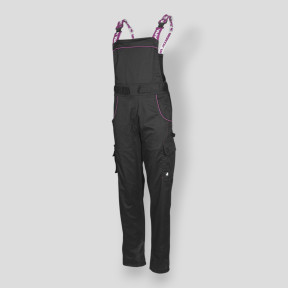
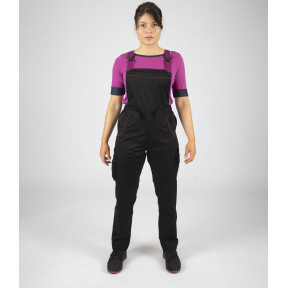
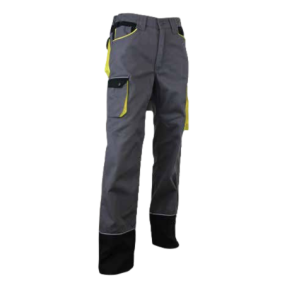
The best equipment for pros and enthusiasts alike









 Professions
Work clothing, also called work attire or professional uniforms, are garments specifically designed to be worn in a professional environment or to perform certain specific tasks. The financial responsibility for work clothing often raises questions on both the employer and employee sides. This issue finds clarity in the current legislation, which precisely states which party must take charge of the purchase and maintenance of professional attire for a secure work situation.
Table of Contents:
- Provision of Work Clothing by the Employer: A Key Obligation?
- Safety Standards: Guarantors of Protection
- Personal Protective Equipment: Maintenance
- In which cases does the employer not provide work clothing?
The payment for work clothing generally depends on several factors, such as the country's legislation, collective agreements, the company's internal policies, and the type of clothing required.
In cases where risks related to professional activity require specific clothing, it is the responsibility of the employer to provide appropriate attire. In accordance with article R4321-1 of the Labor Code, the employer has the duty to provide the necessary work equipment to preserve the health and safety of workers.
This rule also applies to personal protective equipment and safety shoes, as specified in article R4323-95. According to the Labor Code, the employer has the obligation to provide work clothing and safety shoes free of charge if their use stems from risks incurred in the context of professional activity.
For other personal protective equipment required to ensure workplace safety, it is also the employer's responsibility to provide them free of charge to employees.
Come discover our blog on the EN ISO 20471 standard: High visibility of work clothing.
Safety standards play a crucial role in ensuring the protection that work clothing provides. When choosing safety shoes, the EN ISO 20345 standard requires 200 joules resistance for the protective toe cap. Similarly, certain attire, such as high-visibility clothing, is also subject to specific standards.
The employer must not only provide this equipment free of charge, but must also ensure its proper functioning and optimal hygienic condition through maintenance, repairs and necessary replacements. Under article L4122-2 of the Labor Code. Measures taken regarding hygiene and safety must not generate financial charges for employees. Consequently, the employer is responsible for maintaining this protective equipment.

Come discover a selection of equipment dedicated to building trade professionals.
In certain professional contexts, an innovative approach is emerging to facilitate the acquisition of work clothing: the use of a corporate account. This system aims to provide employees with a flexible and personalized way to obtain their professional attire.
This mechanism is based on an account specially created for each employee, funded with points or credits. These points are then usable for purchasing work clothing within a pre-established selection. This approach allows workers to choose items that best match their needs, while respecting safety standards and the company's guidelines regarding professional image.
Employees can choose from a range of work attire approved by the company, which ensures both compliance with professional requirements and individual comfort. By avoiding rigid uniforms, employees have the opportunity to select items suited to their specific role and their preferences. This method offers a subtle balance between the company's needs for safety and image and employee satisfaction. Through this innovation, the company can not only ensure compliance and safety, but also enhance motivation and the well-being of its workers.