The best equipment for pros and enthusiasts alike












-45%
 Professions
Exposure to chemical products in industry and the construction sector can lead to various occupational diseases.
Summary:
Workers who handle or are in contact with chemical products may be exposed to health risks, depending on the nature of the products, the duration and intensity of exposure, as well as the protection measures implemented. Here are the types of occupational diseases related to exposure to chemical products:
Acute intoxication: Sudden and intense exposure to dangerous chemical products can cause acute intoxication. Symptoms may include respiratory problems, burns, skin irritation, nausea, dizziness, or even loss of consciousness.
Occupational dermatitis: Skin exposure to certain chemical products can cause dermatitis, which manifests as irritation, redness, itching and skin lesions. Some chemical products commonly used in industry and construction, such as solvents, oils and acids, can be responsible for dermatitis.
Respiratory diseases: Many chemical products can impact the respiratory system when inhaled. For example, exposure to silica dust in the construction sector can lead to silicosis, a chronic lung disease. Similarly, inhalation of chemical vapors or fine particles can cause respiratory problems such as occupational asthma.
Occupational cancers: Some chemical products used in industry and construction are classified as carcinogenic. For example, asbestos, used in the past in construction, is known to cause different types of cancer, such as mesothelioma and lung cancer. Other chemical substances, such as benzene or carcinogenic agents present in paints, solvents or pesticides, can also increase the risk of developing cancer.
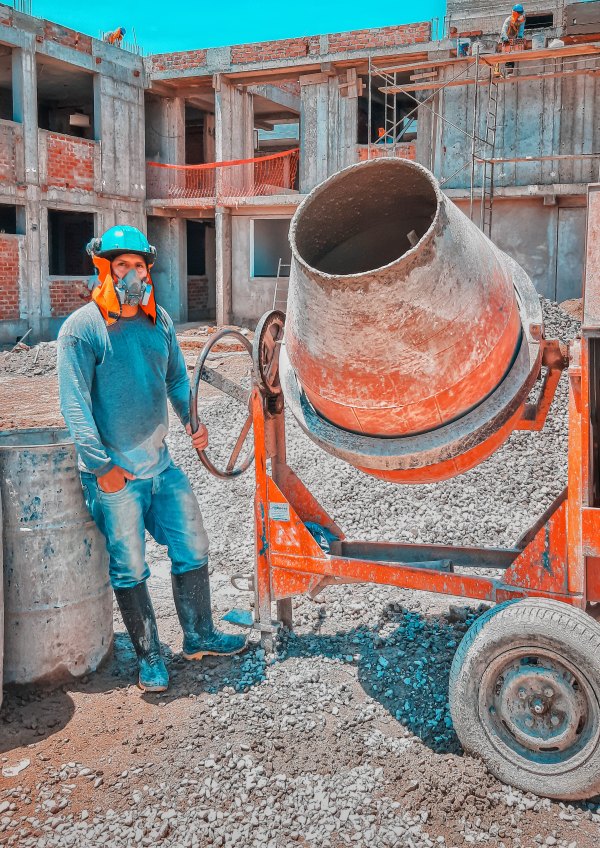
Come discover a selection of equipment dedicated to construction industry professionals.
The prevention of occupational diseases related to exposure to chemical products in industry and construction is essential to ensure the health and safety of workers.
Risk assessment: It is crucial to conduct a risk assessment to identify chemical hazards present in the workplace and evaluate potential exposure levels. This allows for determining appropriate prevention measures to implement.
Chemical product substitution: When possible, it is recommended to substitute dangerous chemical products with less harmful substances or non-chemical alternatives. For example, using ecological cleaning products and less toxic construction materials can reduce health risks.
Use of personal protective equipment (PPE): Workers must be equipped with appropriate PPE, such as gloves, respiratory masks, safety glasses and special suits, depending on specific risks related to the chemical products used. It is essential to ensure that PPE is properly used, maintained and replaced if necessary.
Training and awareness: Employers must provide adequate training to workers on chemical risks, prevention measures, correct use of chemical products and personal protective equipment, as well as emergency procedures in case of exposure or spillage. Continuous awareness of good chemical safety practices is essential.
Adequate ventilation: Workplaces must be equipped with an adequate ventilation system to eliminate or reduce the concentration of chemical vapors, gases or dust in the air. This may include the use of exhaust hoods, mechanical ventilation systems or general ventilation.
Exposure control: Technical measures can be implemented to control exposures to chemical products, such as process automation, chemical product encapsulation, installation of physical barriers to separate workers from risk areas, and implementation of safe handling procedures.
Medical monitoring: Workers exposed to chemical products must benefit from regular medical monitoring to quickly detect potential occupational diseases and take necessary measures. Specific medical examinations may vary depending on the chemical risks to which workers are exposed.
Compliance with regulations: It is essential that employers comply with health and safety regulations regarding the use and handling of chemical products. This includes proper labeling of chemical products, maintaining adequate records, safe disposal of chemical waste, and compliance with recommended occupational exposure limits.
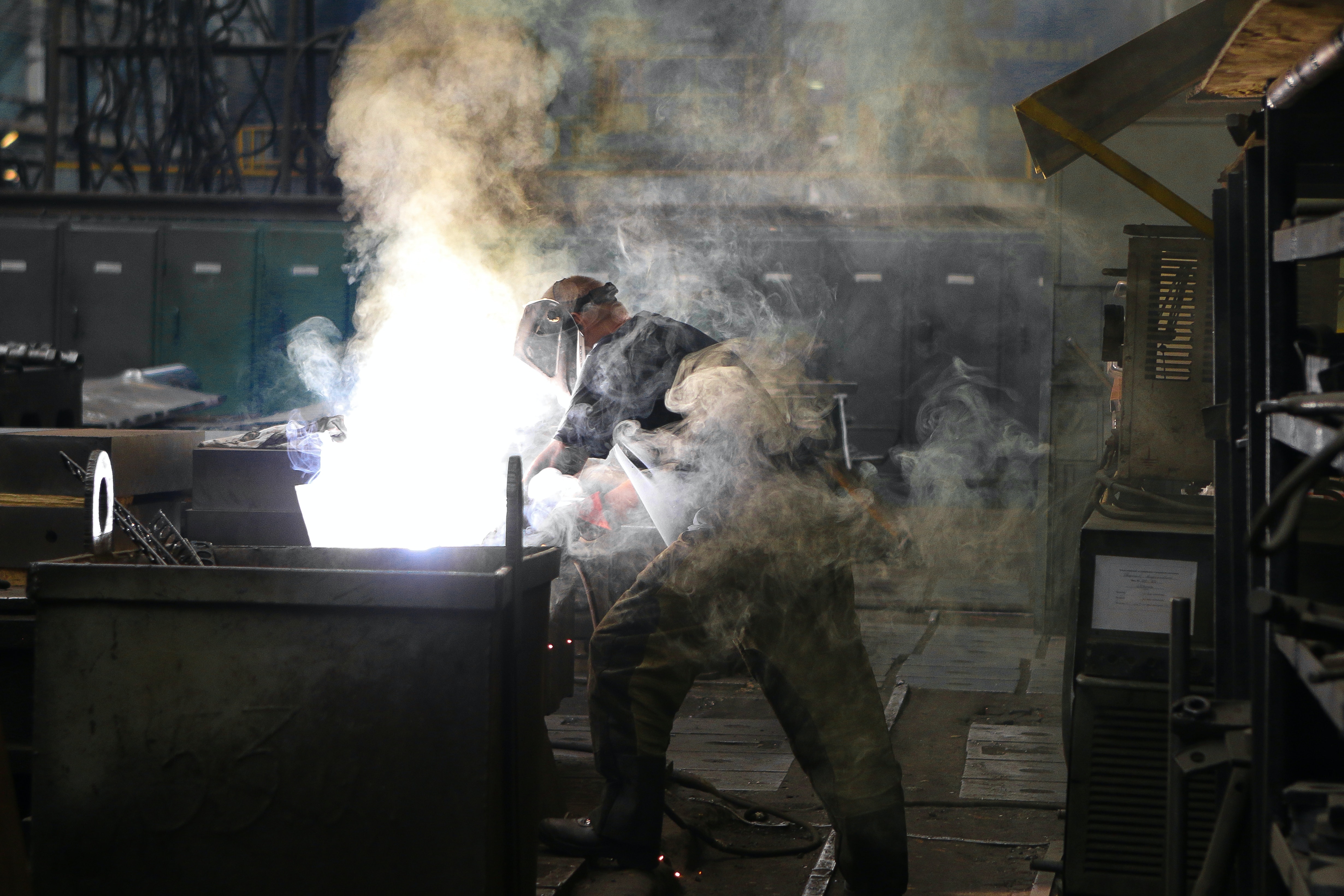
The prevention of occupational diseases related to chemical products requires an integrated approach that encompasses both risk management, education and worker training, as well as compliance with current regulations. By adopting adequate prevention measures, it is possible to significantly reduce health risks associated with exposure to chemical products in the workplace.