The best equipment for pros and enthusiasts alike

-60%
 Professions
Summer is approaching, and with it comes the sun and heat. Many professions become much more demanding when summer arrives. Like construction workers, gardeners, in short, all outdoor work. Although work becomes more arduous, are there risks related to repeated exposure to the Sun's rays?
.png)
Although UV is omnipresent throughout the year, summer is the season when it is most violent due to clearer skies and Earth's orientation relative to the Sun. Nevertheless, you must be wary of it all year round, especially if you work at altitude, inevitably closer to the emission source.
There are several types of UV, each being more or less harmful to humans :
UVA rays are radiation with a long wavelength. They are the most present UV on Earth. They have, thanks to their wavelength, great penetrating power allowing them to reach us even through glass. They have indirect toxicity and can have carcinogenic effects.
UVB rays are radiation with a medium wavelength. They are more powerful than UVA and can cause burns or erythema. They penetrate the skin to the dermis and have a direct action on DNA. The amount of UVB varies according to seasons, (unlike UVA whose quantity is almost linear) time and altitude. This type of UV is stopped by glass.
UVC rays are radiation with a very short wavelength and are therefore very energetic. Fortunately, they are mostly repelled by the ozone layer.
As we have seen, the Sun is the main emitter of UV and is very dangerous for outdoor workers. Nevertheless, other professions must be wary of these ultraviolet rays. Indeed, certain indoor machines or tools emit UV radiation even more powerful than those from the Sun. (at Earth's surface)
For example, arc welding, black light, mercury vapor lamps, germicidal lamps, etc.
.png)
We count no less than three risk families when talking about the dangers related to UV exposure:
It is nevertheless difficult to accurately assess whether a skin cancer has a strictly occupational origin.
UV radiation is not perceptible to the human eye, which makes it all the more dangerous since it causes no discomfort. However, exposure to it is very dangerous.
The effects can be immediate and painful as with photokeratitis or photoconjunctivitis, two eye inflammations that appear quickly, but dissipate over time, if one takes care of their eyes.
Unfortunately, there is a much more serious and chronic risk : cataracts.
It also seems that UV reduces the effectiveness of the immune system and triggers Herpes on the lips following overly intense exposure.
Regarding artificial sources of UV rays, the risk of respiratory tract irritation is quite high due to ozone release.
.png)
To protect against the risks of overexposure to UV radiation, you must adopt the right attire according to your work circumstances. Furthermore, for all outdoor workers and therefore exposed to natural UV from the Sun, rely on the UV index present in various weather forecasts.
According to the indicated levels, adapt your attire:
· 1 to 2: low risk
· 3 to 4: moderate risk
· 5 to 6: high risk
· 7 to 8: high risk
· 9 to 10: very high risk
· > 10: extreme risk
VET SÉCURITÉ advises you on your attire :
We invite you first to read the following articles about anti-UV glasses and choosing your summer attire to have all the information on products adapted to your needs.
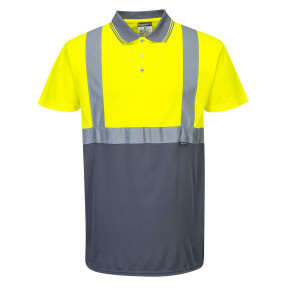
For UV protection, we recommend anti-UV clothing. If a garment is treated with anti-UV, this treatment will be indicated on the product sheet.
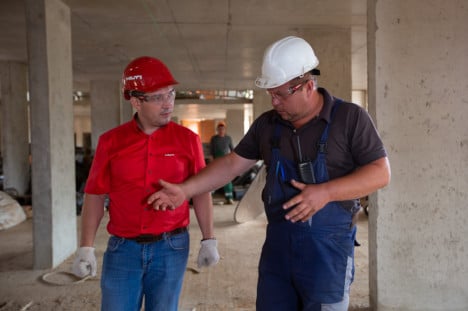
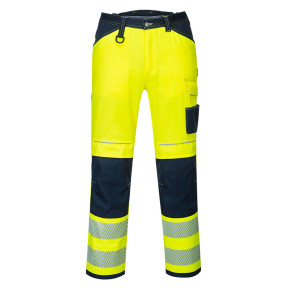
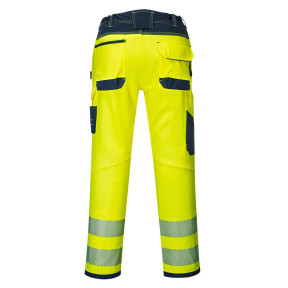
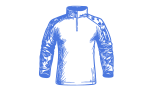
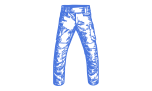
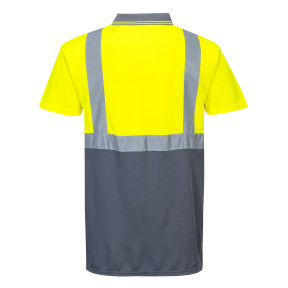
Example of attire for a construction worker in summer:
On vetsecurite.com, we offer a wide range of workwear products and PPE intended for professionals in many activity sectors. Find at the best price our work clothing, safety shoes as well as an eco-responsible range.