The best equipment for pros and enthusiasts alike






-40%
 Professions
The landscaping sector presents risks to the health and safety of workers operating in it. These risks can be caused by factors such as the use of heavy and dangerous machinery, exposure to toxic chemicals, repetitive movements, and handling heavy loads.
Table of Contents:
To prevent the risks, it is essential that workers wear appropriate personal protective equipment (PPE). PPE may include:
Safety helmets : Safety helmets to protect their heads against injuries caused by falling objects or tree branches.
Safety glasses : Safety glasses to protect their eyes against debris projections, wood chips, or chemicals used in pesticides or herbicides.
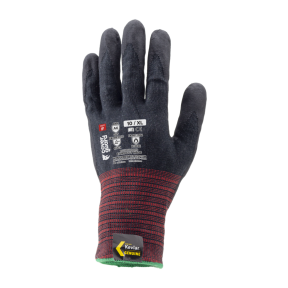
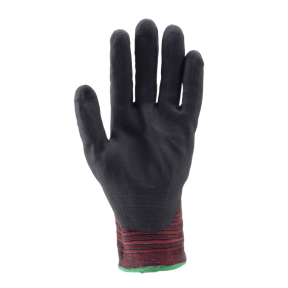
Protective gloves : Protective gloves to protect their hands against cuts, scrapes, insect stings, and chemicals.
Protective clothing : Protective clothing such as cut-resistant pants and long-sleeved jackets to protect their body against cuts, scrapes, and insect stings.
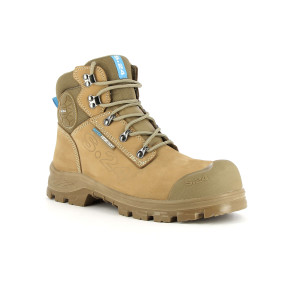
Safety shoes : Safety shoes to protect their feet against injuries caused by sharp or cutting objects, as well as against chemicals.
Respiratory masks : Respiratory masks to protect against dust, fumes, and harmful chemicals.
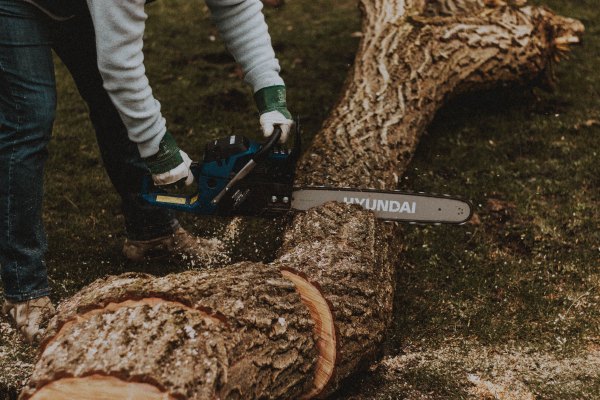
It is necessary to choose appropriate PPE based on the specific risks associated with the tasks and activities performed in the landscaping sector. Workers must also be trained in proper PPE use as well as in risk identification and management to ensure maximum protection. Employers must provide a safe and healthy work environment, as well as safety measures such as warning signals, safety barriers, and emergency procedures.

The landscaping sector presents various risks to worker health and safety. Here are the most common risks:
Machine-related risks: Workers in the landscaping sector often use heavy and dangerous machinery such as lawn mowers, hedge trimmers, chainsaws, and leaf blowers. These machines can cause serious injuries in case of misuse, lack of maintenance, or breakdowns.
Chemical-related risks: Workers in the landscaping sector are often exposed to chemicals such as pesticides, herbicides, and fertilizers. These chemicals can cause skin irritation, chemical burns, respiratory problems, and other long-term health issues.
Weather-related risks: Workers in the landscaping sector are often exposed to extreme weather conditions, such as heat, cold, wind, and rain. These conditions can cause health problems such as heat stroke, frostbite, and hypothermia.
Repetitive motion risks: Workers in the landscaping sector often perform repetitive tasks, such as digging, raking, and collecting debris. These repetitive movements can cause musculoskeletal disorders, such as back pain and tendinitis.
Animal-related risks: Workers in the landscaping sector may be exposed to wild animals such as snakes, spiders, and stinging insects. These animals can cause stings, bites, and allergic reactions.
Knowledge of risks and their management is essential, wearing appropriate personal protective equipment to minimize risks to their health and safety is mandatory.
In summary, the landscaping sector presents risks to worker health and safety, but these risks can be prevented by using appropriate personal protective equipment, by training workers and providing a safe work environment.