The best equipment for pros and enthusiasts alike










 Professions
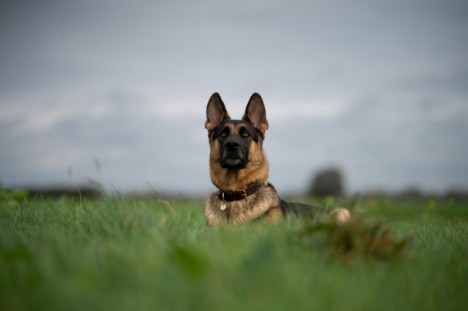
To stay as close as possible to current events, at vetsecurite.com, we decided to talk to you about retirement. No, we won't talk about pension reform, but about that of our four-legged friends. Today, we're going to look at the retirement of working dogs, intervention dogs and police dogs. What happens to man's best friend after years of good and loyal service?
Summary:
Here's a general overview of the types of missions for which working dogs are used, by military personnel, gendarmes, police officers, security agents, and civilian organizations alike:
Search and rescue: searching for people under debris, missing persons or fleeing criminals, sea rescue, after an avalanche...
Detection : detection of narcotics, explosives or diseases…
Attack and intervention dog : apprehending dangerous individuals, deterrence...
Guard dog : site surveillance, patrol...
Herd and livestock management: guarding, protecting animals, herding...
Therapy and assistance: helping disabled or sick people, emotional support and therapy...
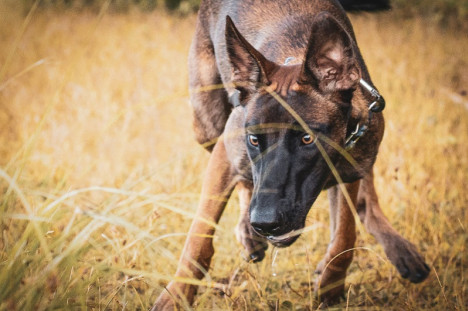
Each dog breed may be better suited to certain types of work due to its physical capabilities, temperament, and intelligence. However, many breeds can be trained for multiple types of work depending on their individual training and experience. The Belgian Malinois is the perfect example of a versatile dog breed.
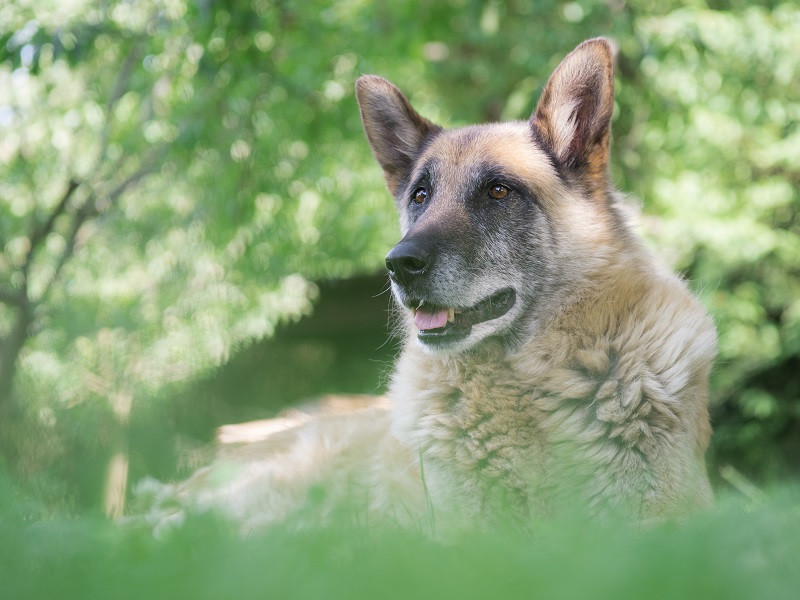
Working dogs are generally recruited when they are 1 to 3 years old and undergo training for 3 to 6 months. They then perform their mission until the age of 7 to 8 years, when they begin to show signs of aging and slowing down. The retirement age for working dogs also varies depending on the work they do, their health condition, and their breed. Some dogs can continue to perform their duties until the age of 12 or 13, as long as they are physically and mentally capable.
Search and detection dogs retire earlier than assistance dogs, for example. Indeed, a dog's sense of smell becomes less powerful as it ages.
Regardless of breed or work performed, retirement is a time of rest and relaxation where the dog must live the rest of its life in a comfortable environment with a loving family.
When a working dog reaches retirement age or can no longer perform its duties, due to illness for example, it can either continue to live with its handler or be offered for adoption to a new family.
Working dogs such as guide dogs for the blind, therapy dogs, or assistance dogs for private individuals generally continue to live, in their retirement, with their former handlers as companion animals. For assistance dogs employed by an organization such as a hospital or nursing home, it may be the organization that trained and provided the dog that offers financial assistance for the dog's care after retirement.
On vetsecurite.com, find a wide selection of clothing, footwear, equipment, gear, luggage as well as a women's range and canine equipment for dog handlers.