The best equipment for pros and enthusiasts alike






-35%
 Professions
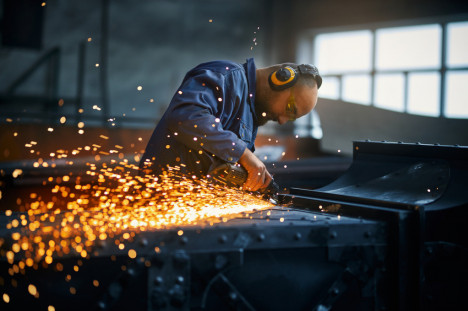
A welder is a professional who works in the welding field, that is, the assembly of two or more metal pieces by heating them to high temperature until they melt and bond together. Welders use different types of welding techniques, such as arc welding, TIG welding, MIG/MAG welding, spot welding, etc. Welders can work in different industry sectors, such as metal construction, equipment manufacturing, shipbuilding, aerospace, etc.
The welder profession is physically demanding and can present health risks, such as burns, electrocutions, exposure to chemicals and injuries related to tool handling accidents. This is why it is crucial for welders to wear appropriate personal protective equipment (PPE) when performing welding tasks.
Table of Contents:
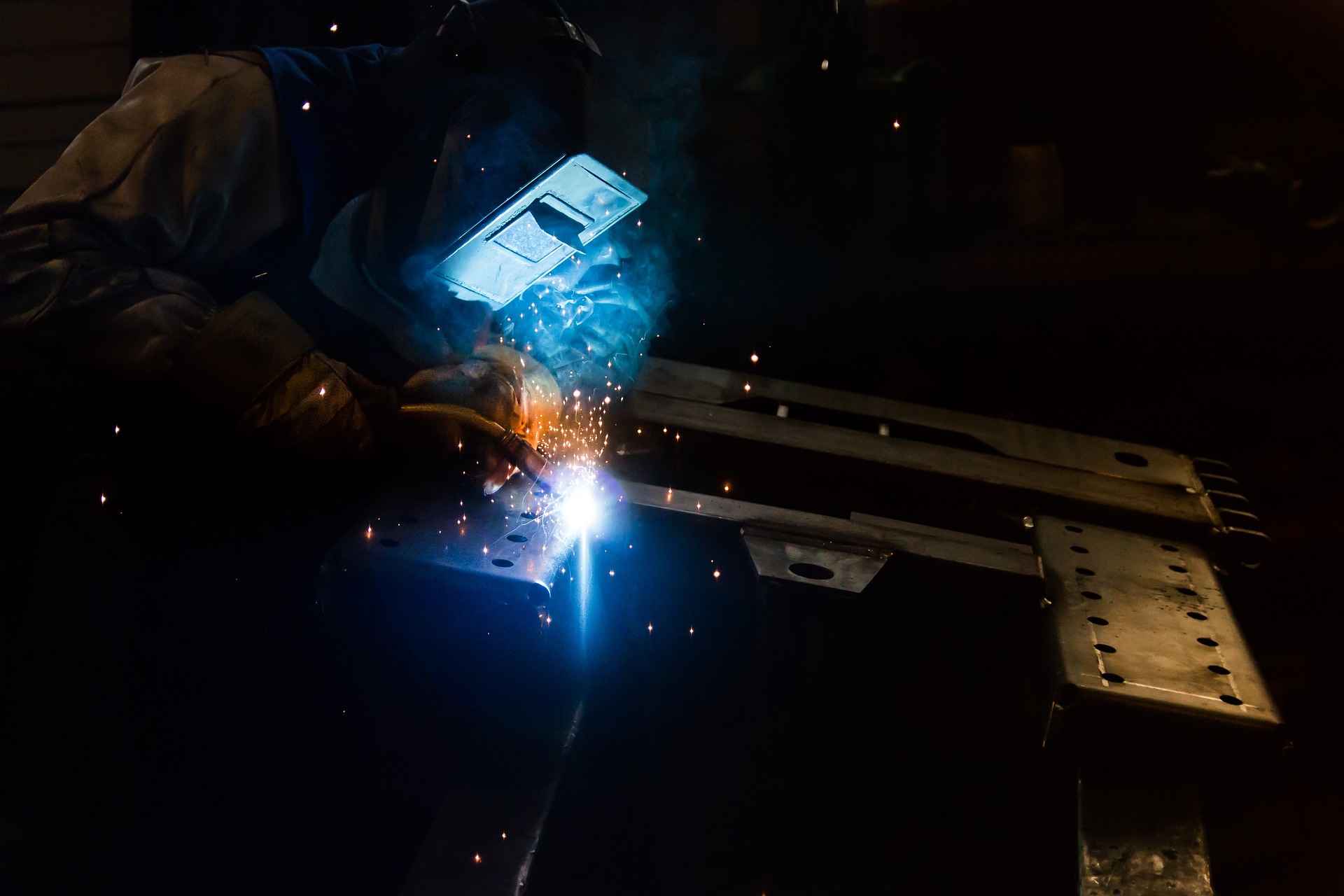
Although essential to all industrial work, welding remains difficult and meticulous work. Add to this the need to handle heavy metal plates, high voltage electricity as well as being exposed to close and powerful contact heat. Welders are therefore exposed, throughout their work, to all types of risks from which PPE must protect them.
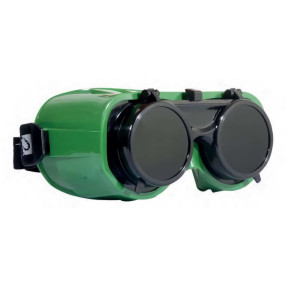
First and foremost, welders must necessarily wear eye protection. The arc radiation indeed conceals a real danger, looking at it without protection, even for a short duration, can permanently impair your visual abilities.
Heat and sparks are inseparable from the welder's work, the risk of skin burns is therefore very present. These sparks can also cause damage to your eyes if they are not protected or ignite your clothing.
It is not uncommon to see numerous fumes and gases emanating from welding when applying certain welding methods. Although we think less about it at first, the lungs also need to be protected by wearing specific PPE. Let's see together how to protect yourself from all these dangers to operate safely.
Whether you are a professional welder or want to learn in your garage, it is essential to equip yourself with protective equipment before starting any welding work. Welder PPE will allow you to protect your entire body, whether it's your head, eyes, ears, hands, feet and even your body and clothing.
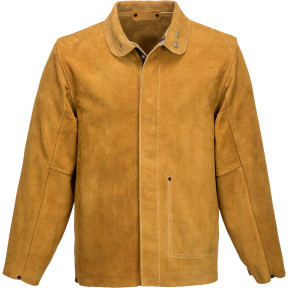
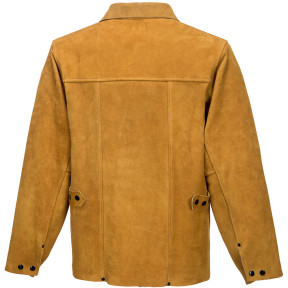
VETSECURITE.com has selected some examples of PPE for you:
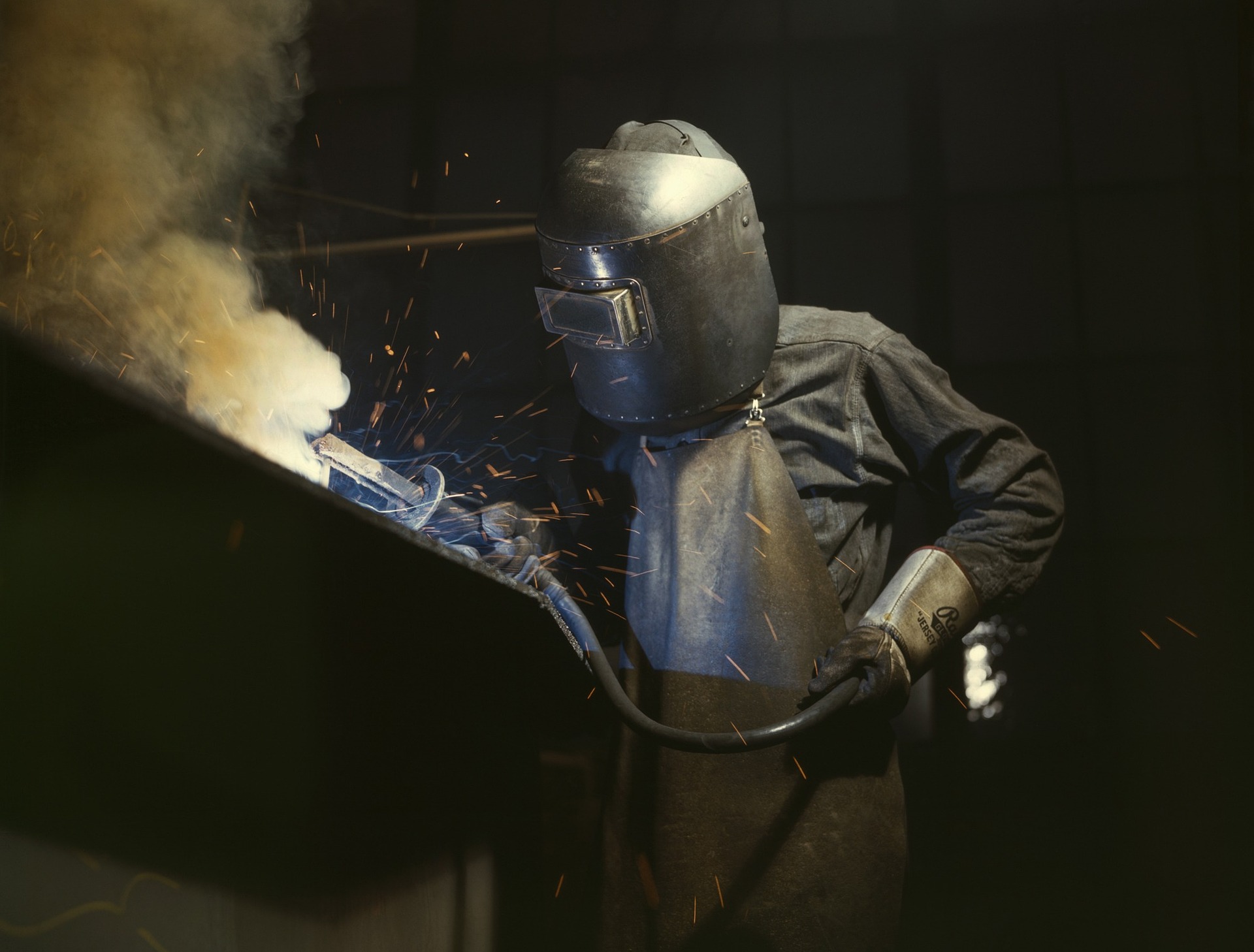
All this PPE can be worn at once, but also according to your preferences, some will prefer a leather apron while others will choose the welder jacket. Nevertheless, it is essential, regardless of your type of welding, to protect your eyes with at minimum welding glasses as well as your hands and your ears with welding gloves and a noise-canceling helmet.
As you will have understood, it is important to choose appropriate PPE based on the type of welding you are performing. PPE must be adjusted and worn correctly to ensure maximum protection. Here are some tips for using PPE for welder protection: