The best equipment for pros and enthusiasts alike





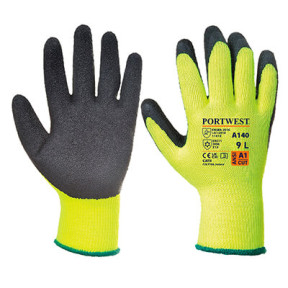
-40%
 Professions
With the end of autumn and the arrival of winter, temperatures tend to get cooler and become freezing, on this occasion, what better than to learn about one of the essential standards for cold chain professions, industrial handlers or logistics workers without forgetting our colleagues in construction, finally, what is the EN 511 standard ?
Outdoors or indoors, warehouse, construction site or cold room, prolonged exposure to cold is dangerous and impacts workers' health. A work environment is considered cold from 5°C sheltered from wind.
Subjected to such temperatures, and for extended periods, the human body will then increase its heat production, thus compensating for the thermal loss related to the environment. If appropriate PPE is not worn by the worker, the body wanting to protect vital organs from this temperature drop, they are exposed to numbness or frostbite of extremities. Besides these disorders, the most common caused by cold, the worker may suffer from hypothermia, vasomotor disorders or even musculoskeletal disorders if cold exposure is prolonged and repeated.
The most affected occupations are obviously outdoor workers during the winter period, in public works, construction or landscape maintenance. But they are not the only ones exposed to cold in winter, logistics handlers, in warehouses, are subject to this same temperature drop and must also equip themselves accordingly to protect hands at work.
There remains one area affected, this time throughout the year, by cold: cold chain workers. Every day, these food logistics workers must equip themselves properly to fight against the temperature of cold rooms in order to preserve food or medicines at low temperature.
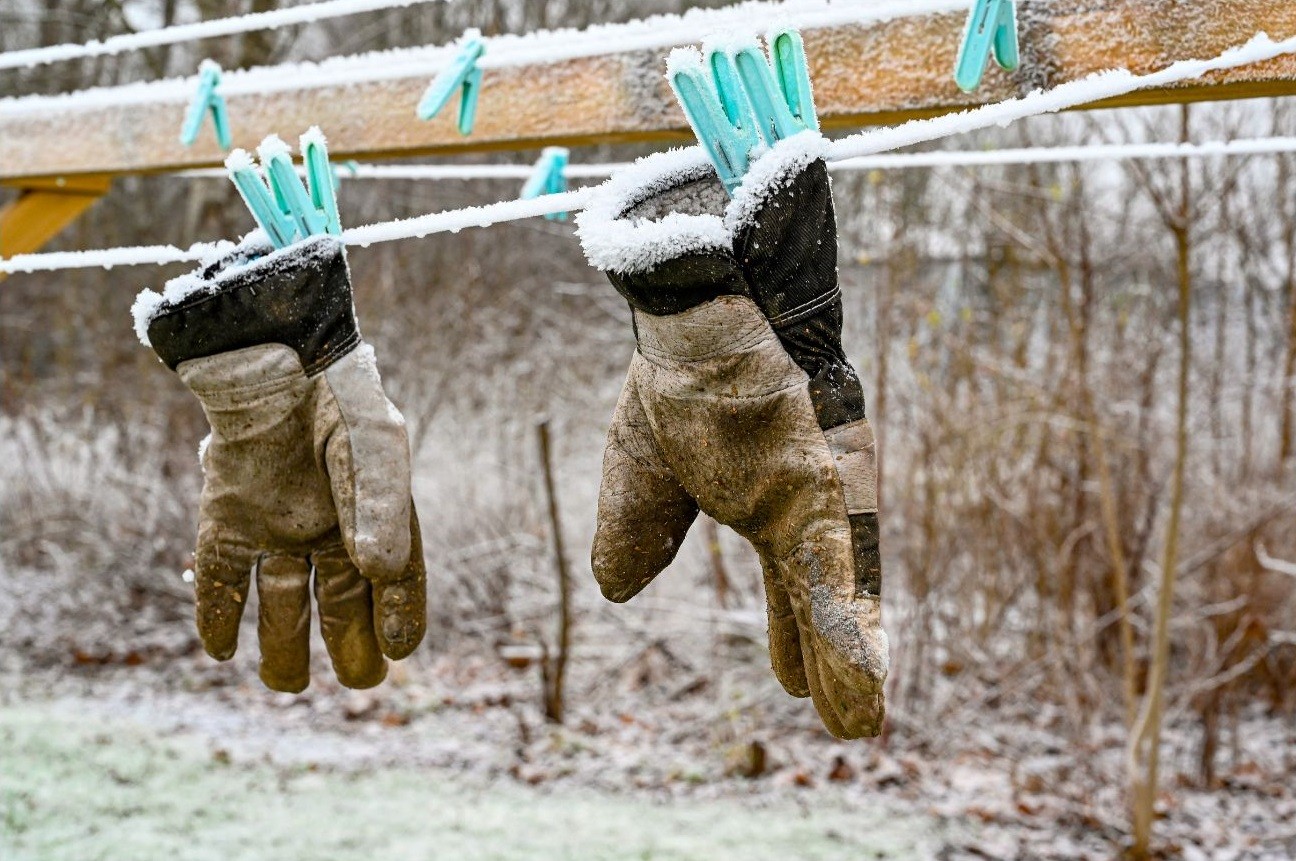
Extremities, hands and feet are the first limbs abandoned by the body when it gets too cold, then focusing on vital organs. This is why workers exposed to cold must equip themselves with gloves, socks and shoes certified against cold. There is the European standard 511 that standardizes and regulates hand protection against cold, for shoes, it will be the CI standard.
The EN 511 standard is sequenced in three tests aimed at establishing an overview of insulation properties and thermal resistance :
Here we measure the energy required to maintain an average temperature in each area of the hand between 30 and 35°C. Based on the result, a performance scale from 0 to 4 is established, with four representing the best performance.
In this test, thermal resistance to contact cold is measured. We then measure the thermal resistance of the material(s) used for glove manufacturing when they come into contact with a cold object.
Also established by a performance scale ranging from 0 to 4.
The glove in motion is immersed for five minutes in water up to the wrist line to measure its waterproofing. If water does not penetrate, it is waterproof and will be rated 1, if on the contrary, there is water penetration, it is not waterproof and rated 0.
Note that the scope of the EN 511 standard does not go beyond -50°C, which means that for specific activities such as chemical manipulations or cryogenic work, you will need to turn to other application tests.
As we have seen, there is a standard for thermal protection of hands: the EN 511 standard. It is therefore essential for effective protection against cold, but to choose optimal protection, you must identify the main causes of cold:
Based on these different points, you won't turn to the same types of gloves.
If you work in logistics, you can turn to the Eurowinter D100 gloves from Coverguard, cold-resistant and allowing good dexterity and grip as well as good protection against cuts.
On the contrary, if you work in a cold room, it would be better to turn to the VV736BL gloves from Delta Plus, waterproof and resistant down to -30°C.
The choice of cold-resistant gloves is very important, but also very personal, depending on your activity and your preferences in terms of dexterity, which is why Vetsecurite.com offers you a wide range of extreme cold PPE to protect you from winter.