The best equipment for pros and enthusiasts alike






VET SECURITE Exclusive
-50%
 Professions
Fire safety audits are an important part of any workplace safety program. The purpose of a fire safety audit is to identify risks that can lead to fires and fire-related injuries, then take action to minimize or eliminate these risks.
Summary:
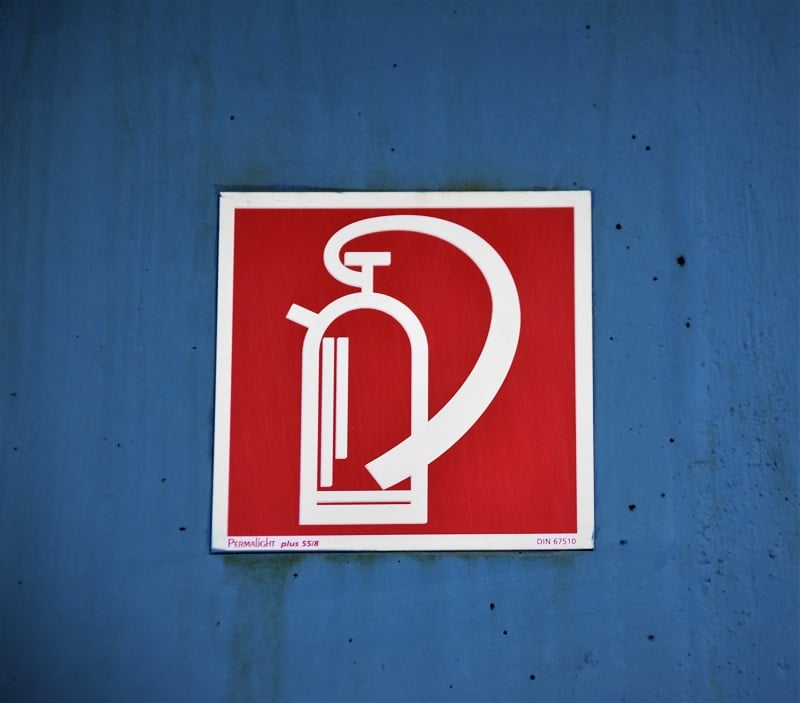
A fire safety audit is a systematic inspection of all areas of the establishment or company in order to identify fire hazards and risks (see our article on the different types of fire). The purpose of the audit is not only to identify potential problems, but also to suggest actions that will eliminate or reduce these risks. Fire safety audits are an excellent way to ensure that the company is prepared for the worst.
Audits should be conducted on an annual basis and can be performed by the organization itself or by an external auditor. It is important that all employees are informed of any changes identified during an audit so they can take appropriate action.
The purpose of a fire safety audit is to:
Identify risks that may cause or contribute to fires or other emergencies;
Evaluate the effectiveness of current fire protection systems such as fire alarms and the evacuation plan;
Determine if the current system has deficiencies;
Propose solutions to eliminate or reduce risks;
Confirm that all employees know emergency procedures and are trained to operate equipment or use fire extinguishers when needed;
Improve the overall level of fire safety in the workplace.
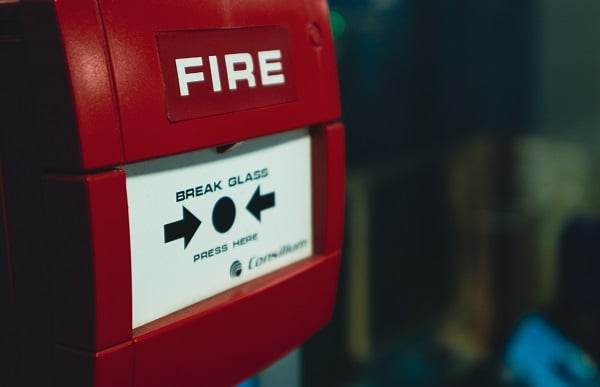
The fire safety audit should include:
A review of all documents, including policies, procedures, plans, work instructions, training programs and records;
An assessment of the physical environment (buildings, structures and grounds);
A review of equipment used by workers and visitors to determine if it can be used safely under normal conditions or in emergency conditions such as a fire.
To conduct a good fire safety audit, the auditor must determine the purpose and use of the building. A thorough understanding of the building's activities helps identify high-risk areas, such as kitchens or restrooms. They must also know the building's specific features, including emergency exits and the location of fire alarms and equipment.
In addition to familiarizing themselves with the layout and general features of the building, the auditor evaluates any potential hazards that could lead to a fire. These may include electrical equipment (e.g., computers), combustible materials, or natural gas leaks. Once the audit is completed, the company or establishment must implement the recommendations as quickly as possible, inform employees of any changes, and provide appropriate training as needed.
On vetsecurite.com, find a wide selection of work clothing, safety shoes, equipment and materials for fire safety professionals. If you are interested in the fire safety officer profession, discover our interview with Geoffrey, SSIAP1 holder.