 The best equipment for pros and enthusiasts alike
-
 Professions
-
-
-
-
-
-
-
-
All Tops
![All Tops]()
-
-
-
All Bottoms
![All Bottoms]()
-
-
-
All Footwear
![All Footwear]()
-
-
-
All Bags
![All Bags]()
-
-
-
All Accessories
![All Accessories]()
-
-








Working in a warehouse: What safety rules for pedestrians and forklift operators?
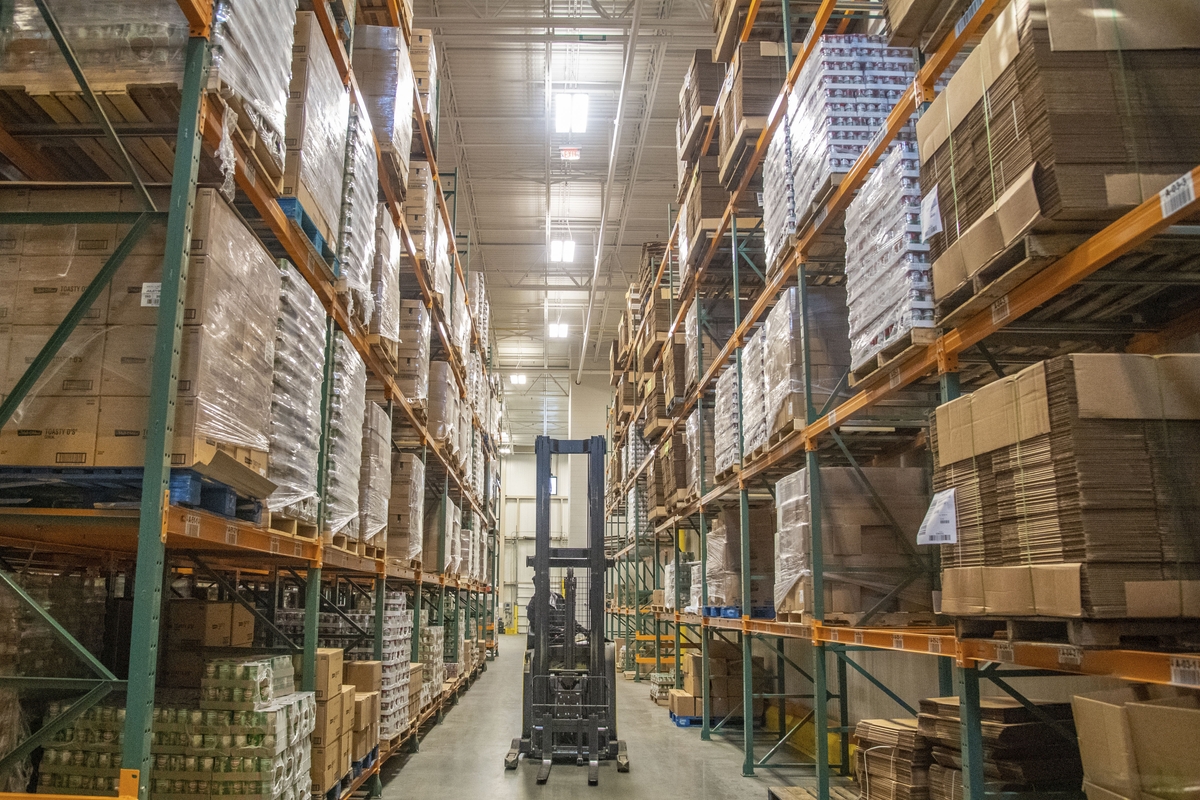
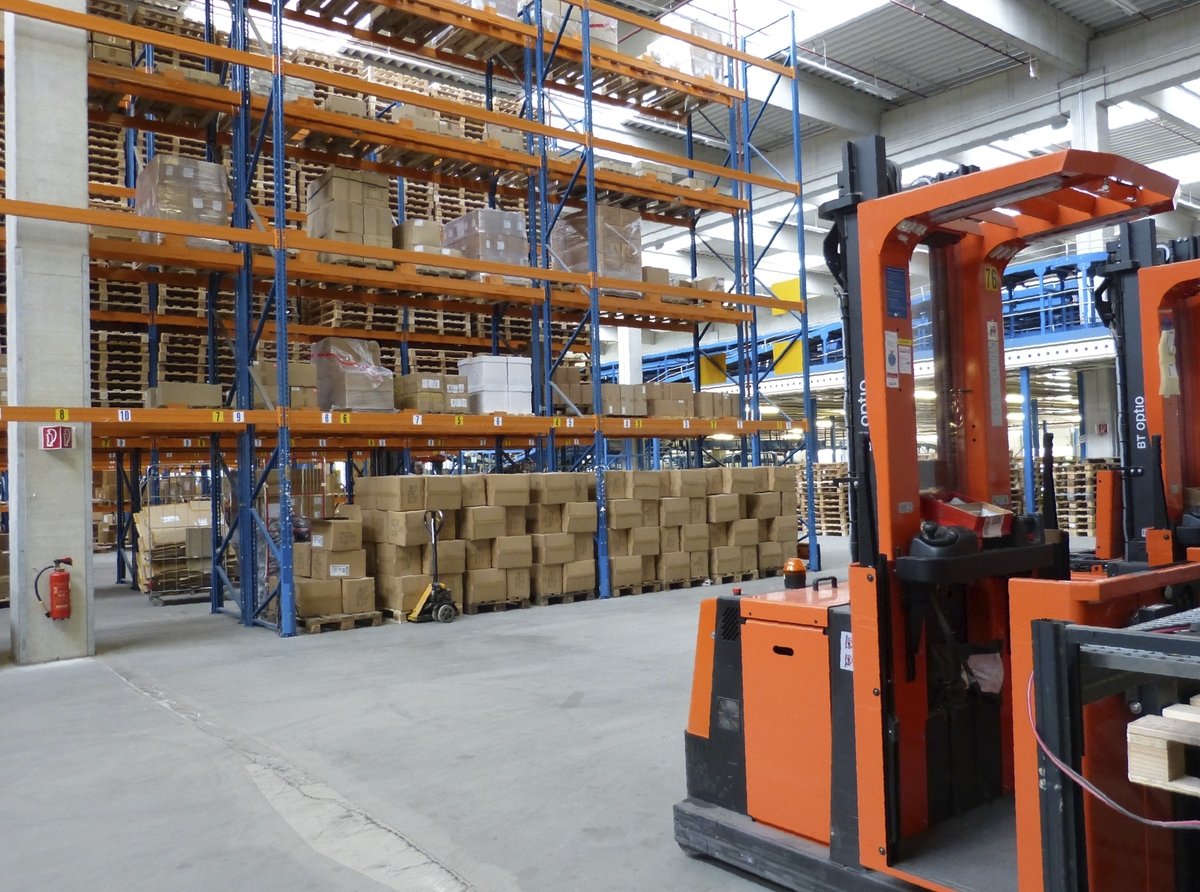
The safety rules for warehouse work are based on the assessment and prevention of risks. In addition to common rules for any workplace, specific measures for the warehouse must be taken into account. It is a place where strict logistics rules must be followed with rigor in the handling of merchandise and the use of motorized equipment. Here is a summary of the major safety rules for storage occupations.
Summary:
Corridor circulation
Regarding movements within corridors, this traffic must be perfectly regulated to avoid collisions, impacts and crashes. The logistics rules guide must be made known imperatively to all workers and its strict compliance must also be ensured. Among the safety rules most essential to employee safety, we can mention:
- The width of corridors which must be sufficient to ensure safe movement of equipment and merchandise handling;
- The turning zones for crossing aisles which must be perfectly marked to prevent collisions;
- The presence of exclusively designated pathways for pedestrian movements are there to define vehicle-free corridors;
- A clear environment that promotes free aisles without merchandise or any material obstructing the passage.
Merchandise handling
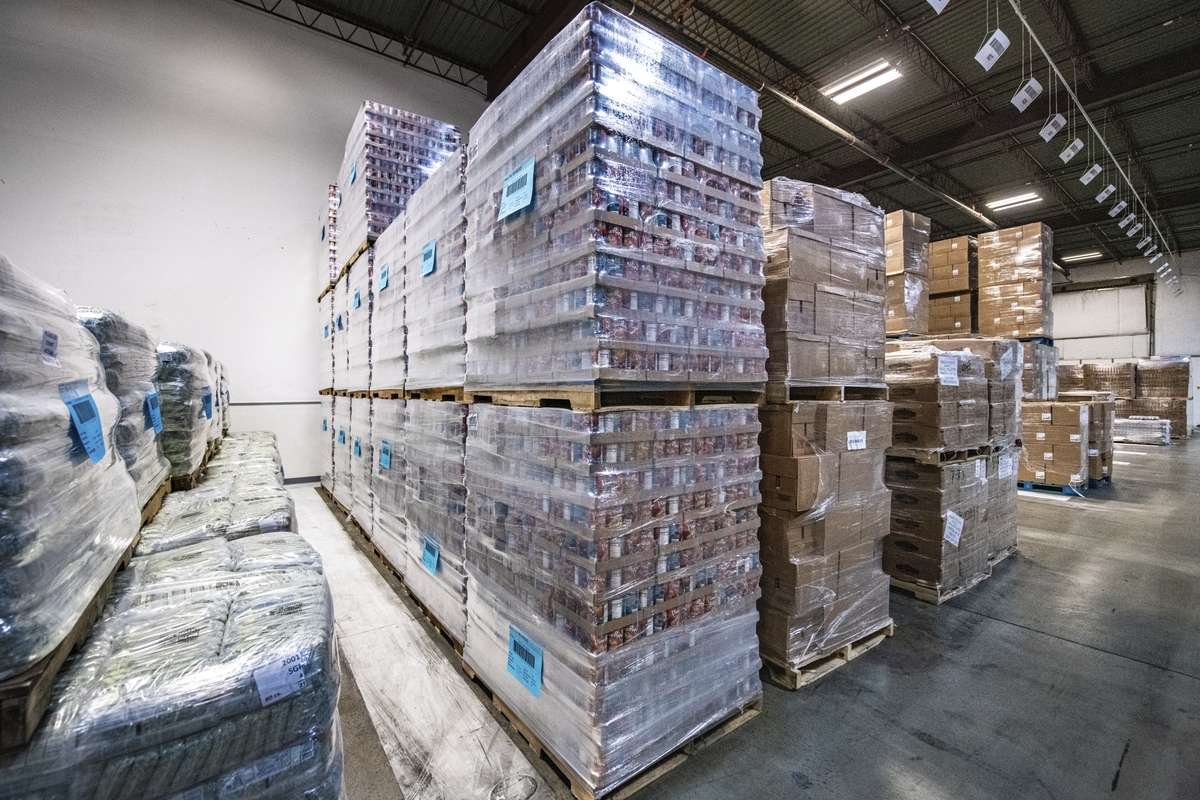
For load handling, it is important to ensure the balance of merchandise and that it is perfectly protected to prevent falls or detachment. Storage systems must be adapted to each type of load. This involves shelving in warehouses or metal shelving systems for transport and pallet storage. The correct positioning of loads is crucial and weight limit compliance must never be violated.

Working environment conditions
In addition to circulation parameters, a work environment conducive to safety must be provided. First and foremost, emergency exits must be clearly marked and identifiable. They must obviously be clear of all kinds of obstacles. Next, effective ventilation and good lighting of the workplace is essential. This is to ensure task completion under the best possible conditions.
Protection
For warehouse work, it is strongly recommended that employees be equipped with personal protective equipment. The various types of protection and safety levels of PPE vary according to objectives and missions. The most widespread and essential ones are safety shoes with protective toe caps, gloves against mechanical risks, helmets and other work pants that are ergonomic and resistant.
Risk prevention
Despite the aforementioned precautions, it is always good to emphasize prevention. The risks in the workplace and the importance of respecting safety measures help to significantly reduce the potential threats that logistics agents may face. However, it is important in warehouse work to remain vigilant by analyzing and preventing risks that may be of different nature depending on the type of merchandise. The handling of toxic products, flammable and others is thus done according to current recommendations. The work methods (use of machines, manual work) as well as the types and characteristics of warehouses are also to be taken into consideration.


-
![Over 200 brands At the best price]() Over 200 brands At the best price
Over 200 brands At the best price -
![Secure payment In 3 or 4 interest-free installments]() Secure payment In 3 or 4 interest-free installments
Secure payment In 3 or 4 interest-free installments -
![Delivery across Europe From €79 of purchase]() Delivery across Europe From €79 of purchase
Delivery across Europe From €79 of purchase -
![Customer service Monday to Friday]() Customer service Monday to Friday
Customer service Monday to Friday


