The best equipment for pros and enthusiasts alike











-45%
 Professions
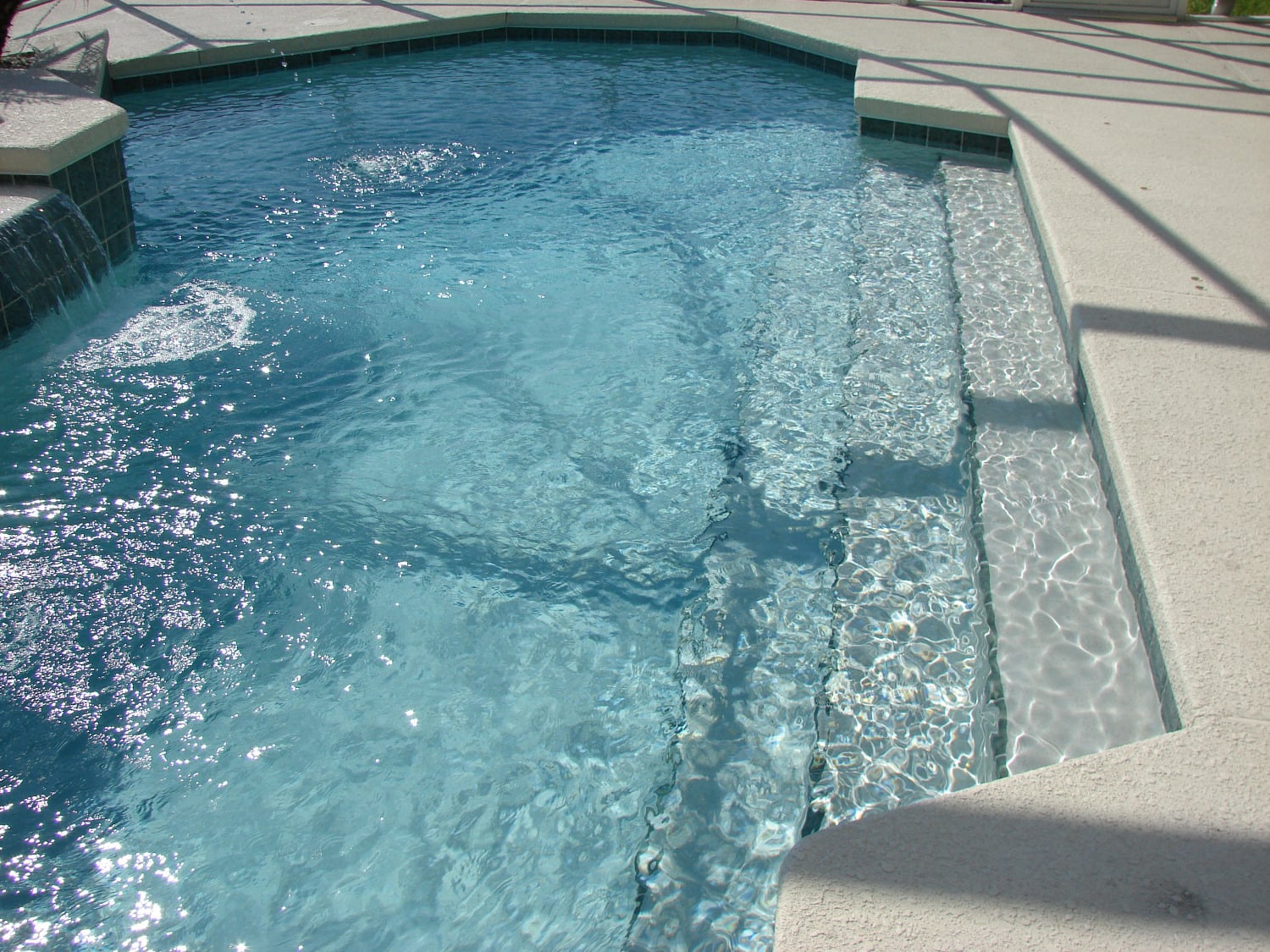
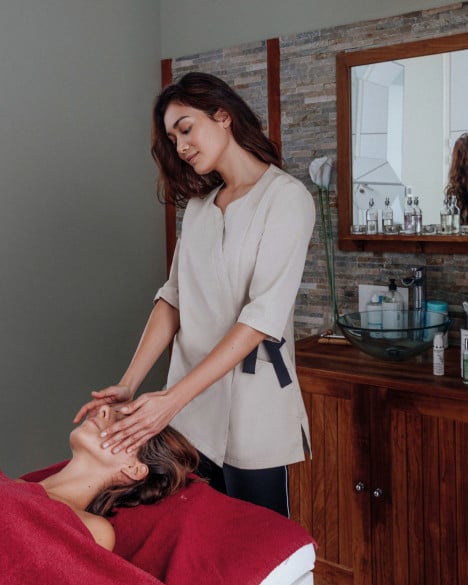
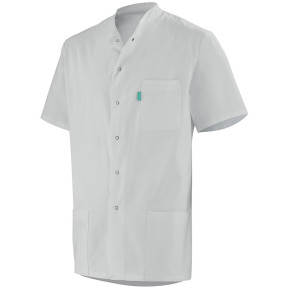
The thermal sector concerns establishments that provide treatments taking advantage of the benefits of water. Through the different types of treatments and care that can be found in thermal centers and thalasso spas, we can better define the role of industry professionals. These wellness agents, equipped with appropriate medical attire, are those able to relieve body ailments thanks to the beneficial assets of this natural element.
Summary:
The first uses of water for curative and recreational purposes date back as far as antiquity with the Greek baths and then Roman baths. The Roman Empire thus enabled the democratization of thermal baths throughout Europe and particularly in Gaul where certain buildings of thermal resorts have managed to survive through the ages.
The tradition evolved until the Middle Ages where the first medical works dealing with mineral and therapeutic waters date from the end of the 14th century. The first spa treatment protocols and balneotherapy are defined there with thermal seasons for stays as well as different treatment techniques with showers, baths or drinks.
A resurgence of interest in thermalism appeared in the 19th century with the era of the industrial revolution and the romanticism movement of the time. This is where the term thermal resort developed in response to the popularization of the phenomenon.
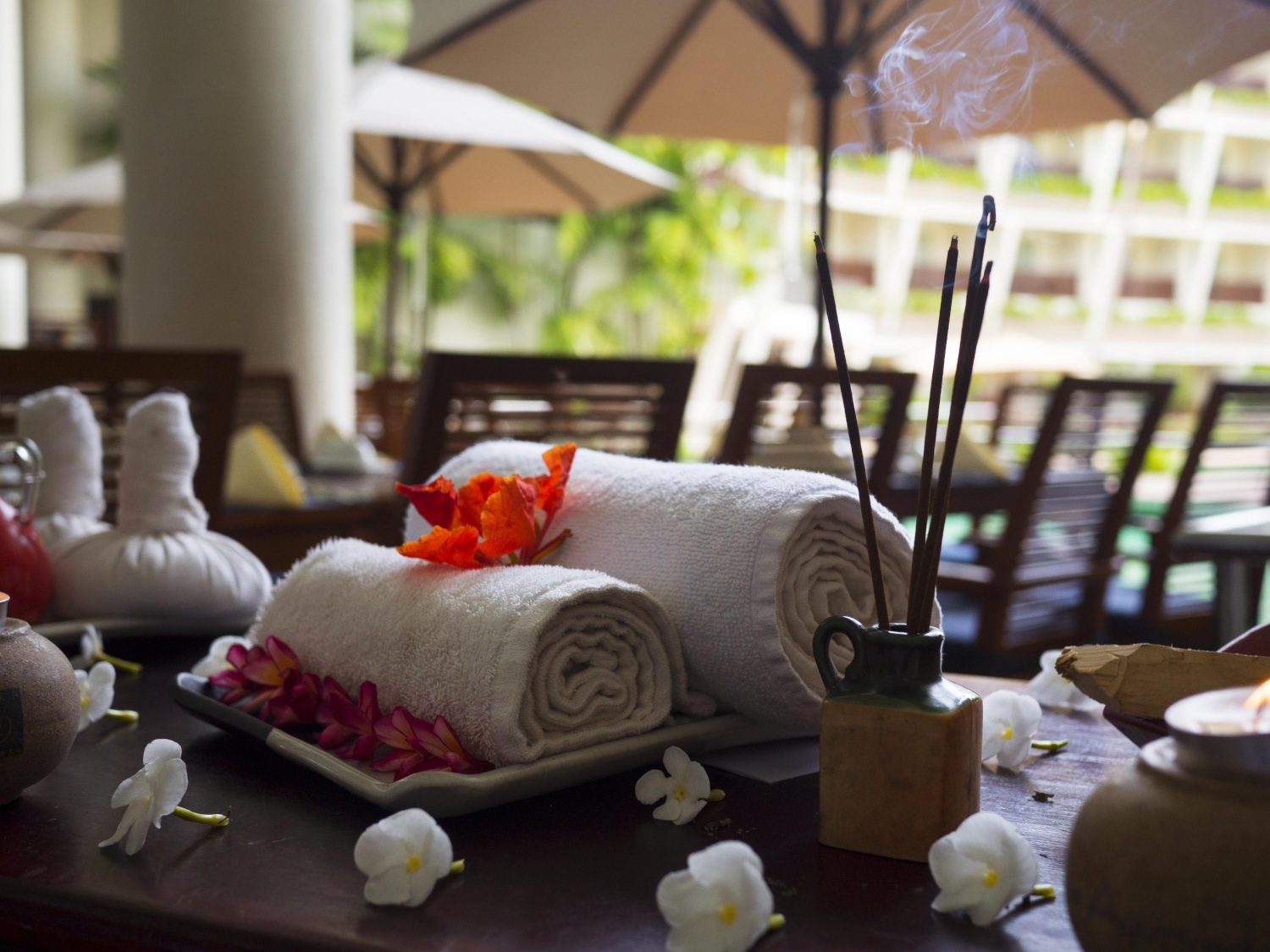
Nowadays, we distinguish thermal spa treatment from thalassotherapy. The latter intervenes for preventive purposes through the use of seawater and marine products (algae, marine mud) and is based on the properties of trace elements, vitamins and mineral salts. This sector is not regulated by Health Insurance in France even if it is medically supervised.
Thermal spa treatment, on the other hand, has an essentially curative purpose. Spa patients are under the supervision of a general practitioner and receive various types of treatments provided by thermal resorts. These treatments may have part of the care covered by Health Insurance. There are also free treatments (fitness or specific wellness stays) not reimbursed by Social Security.
Depending on the treatments, care and services offered, thermalism presents a wide range of professions within thermal resorts. The process of thermal spa treatment is first prescribed to the patient by their attending physician, general practitioner or specialist. During the stays (generally three weeks), the thermal physician is the one who prescribes the treatments and follows the spa guest throughout the entire period.
The treatments provided during spa treatments are based on several specialties. We can mention physiotherapists, hydrotherapists, sophrologists, sports educators, beauticians, dietitians or even nurses.
Due to the nature of the stays, the thermal sector is also a viable asset for tourism activities. Thermal towns therefore also rely on the services of the hotel sector.
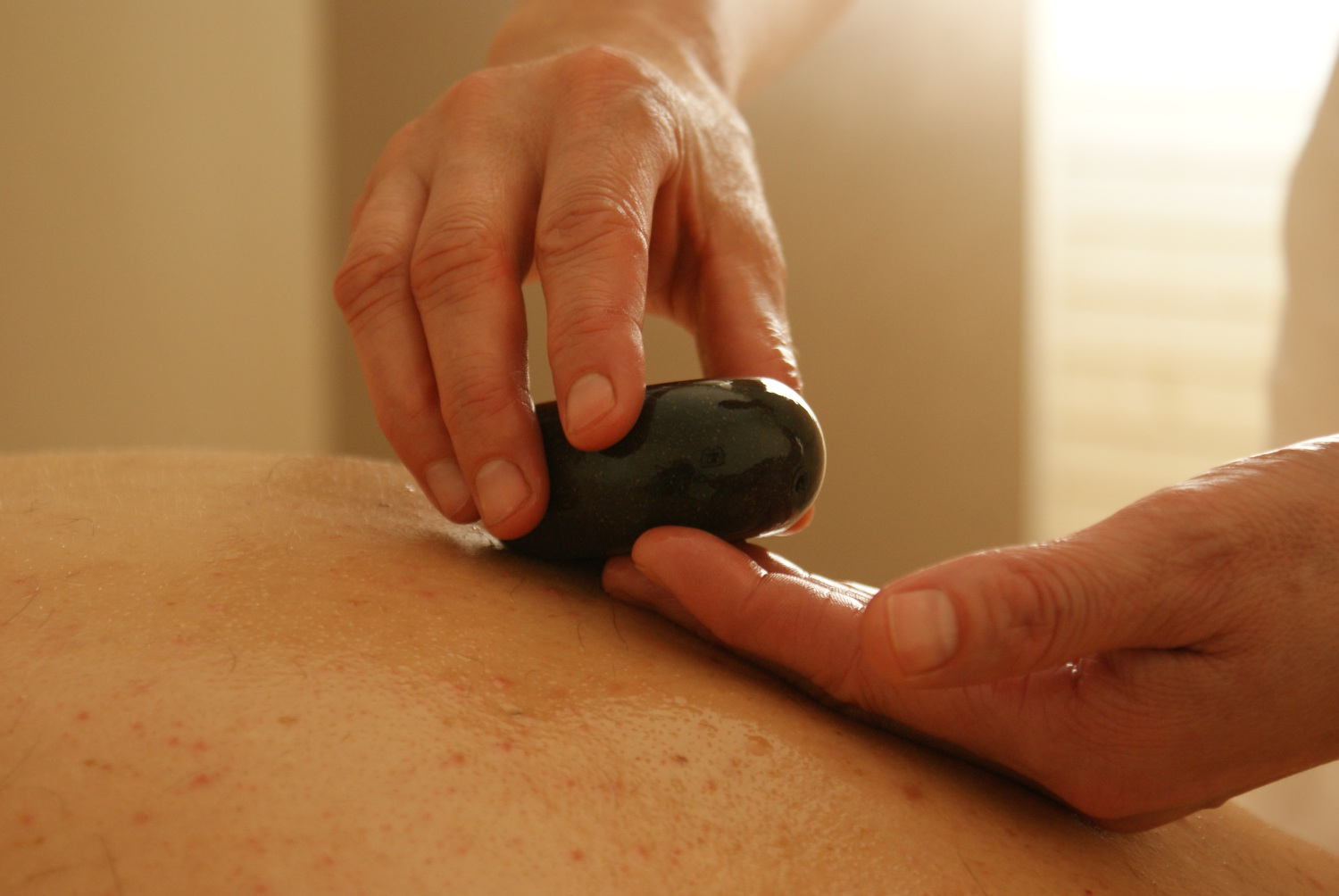
The thermal sector is a vast and major sector in the field of wellness and health. Thermal centers and thalasso spas provide adapted treatments taking advantage of the benefits of water and help fuel the commercial and tourist activities of a given city or region.