The best equipment for pros and enthusiasts alike





-40%
 Professions
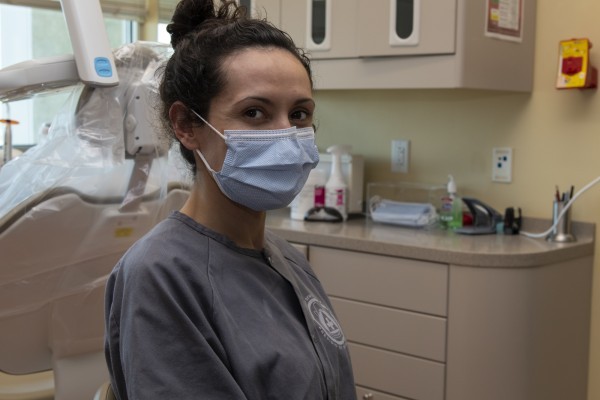
The WHO (World Health Organization) recognizes three types of masks suitable for use to limit the spread of the coronavirus pandemic. These are medical masks also called surgical masks, respiratory protection masks with different performance levels and finally non-medical masks or fabric masks. It is then appropriate to determine the characteristics of each of these types to best deal with the situation.
Table of Contents:
A surgical mask, or anti-splash mask, hygiene or three-fold mask is a single-use respiratory mask designed to limit the spread of germs (bacteria, viruses). It retains respiratory droplets. The contamination around the mask wearer is then significantly restricted. The mask remains effective only for a few hours and must then be discarded and replaced.
This type of mask is, most of the time, worn by healthcare professionals during surgical procedures to prevent patient infection. It can be worn to protect against the Covid-19 pandemic even though this is not its primary use. These medical devices are governed by European standard ISO EN 14683. This standard categorizes 4 types classified according to:
- The bacterial filtration efficiency (BFE) in the expiration direction only. With type I (95% < BFE ≤ 98%) or type II (BFE > 98%).
- The splash resistance, index R if yes, no index otherwise.
For example, a type IIR mask filters more than 98% of bacteria and is splash-resistant. The surgical mask is not a filtering respiratory device and cannot be certified as such. You must then turn to protective masks called FFP.
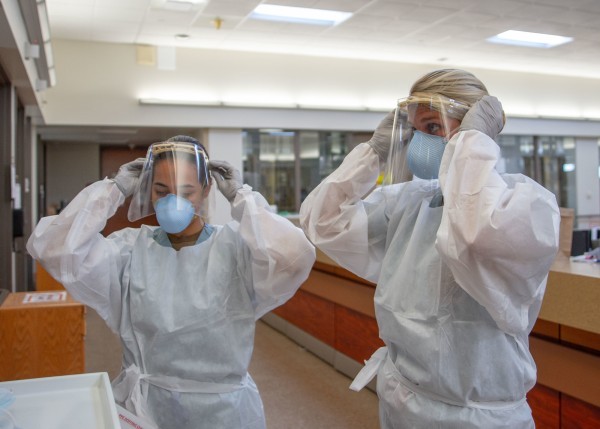
An FFP protection mask (Filtering FacePiece, translatable as filtering facepiece) is a disposable filtering respiratory protective device to protect against particles and various airborne viruses. This personal protective equipment is used by healthcare personnel to protect themselves from contamination, but also by exposed professionals to fine particles (wood dust, asbestos and others). This type of mask covers chin, nose and mouth.
Unlike the surgical mask, the FFP mask properly fitted to the face protects its wearer against inhalation of infectious agents or microparticles. Models equipped with a valve allow easier exhalation, but limit the effectiveness of the barrier between the wearer and the outside. The FFP mask complies with standard EN 149 which defines three classes of filtration efficiency :
- FFP1 : The mask filters at least 78% of particles suspended in the air. The leak rate on inspiration is less than 22%. This type is primarily used as dust protection.
- FFP2 : The mask filters at least 92% of particles in the air. The leak rate on inspiration is less than 8%. This mask is effective against viruses such as those of flu, influenzavirus B, avian flu, coronaviruses, yersinia pestis, or mycobacterium tuberculosis. It is also suitable for FFP1 applications.
- FFP3 : The mask filters at least 98% of particles in the air. The leak rate on inspiration is less than 2%. It prevents the penetration of very fine particles (asbestos, ceramic). It is also useful for medical procedures that generate aerosols (endotracheal intubation, bronchoscopy, tracheotomy). It also meets the applications of FFP1 and FFP2 masks.
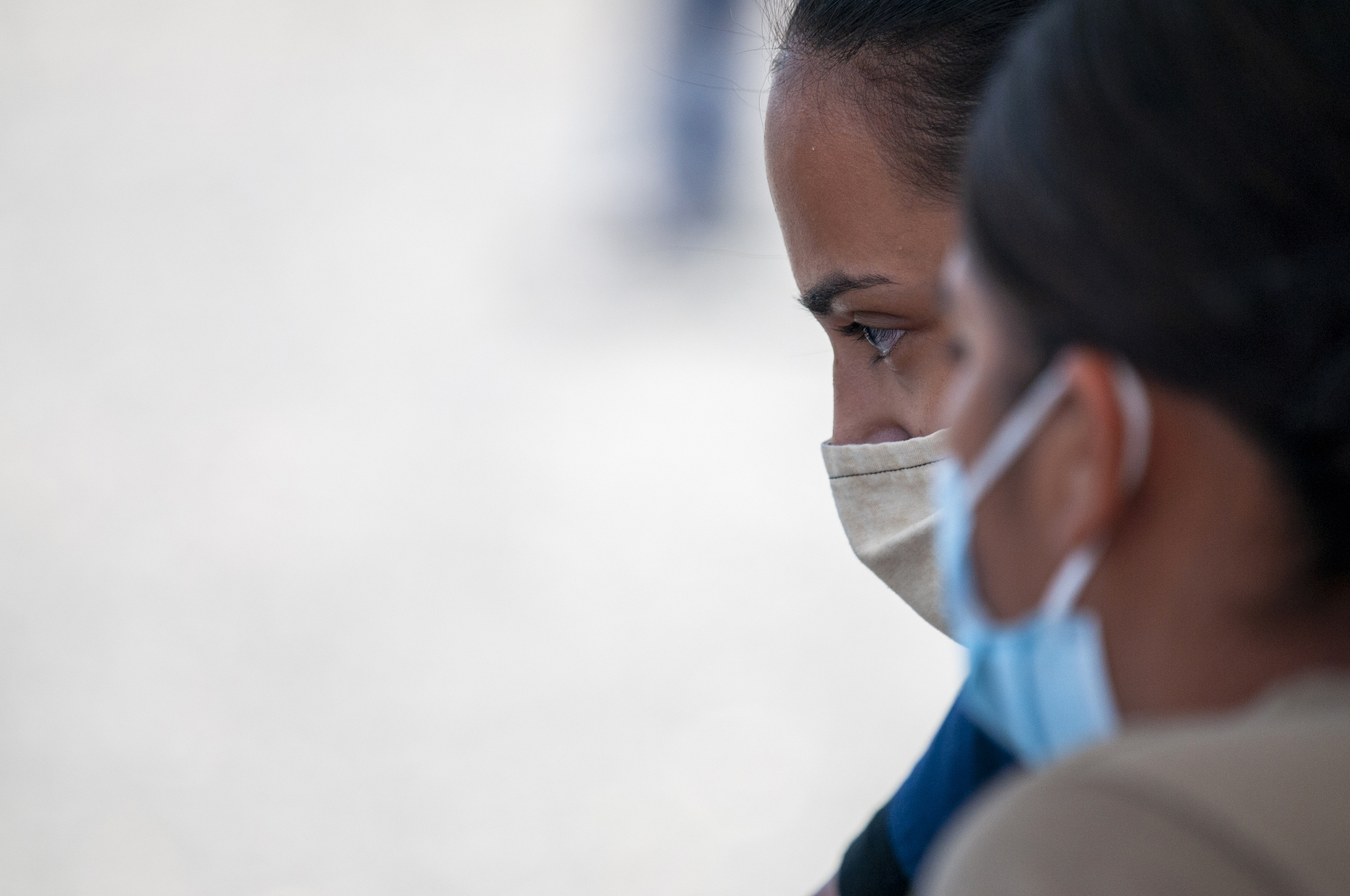
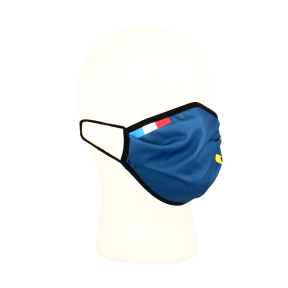
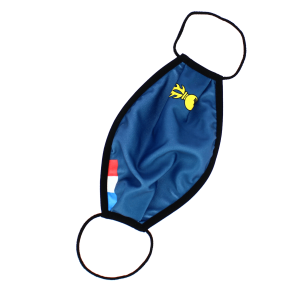
This is the fabric mask for use by the general public. It is a non-medical filtering mask made with washable textile and reusable. It provides, in addition to barrier gestures, hygienic and sanitary protection to the wearer and their surroundings against the transmission of infectious diseases or air pollution.
To face the health crisis, AFNOR has implemented since March 2020 a standardization of fabric masks. Barrier masks are divided between those not intended for professionals and meeting the minimum requirements of the standard, and those for non-medical professionals. The latter are defined by two categories:
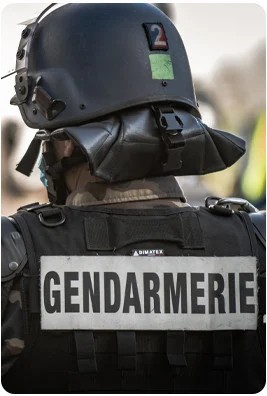
- Category I for professionals in contact with the public (gendarmerie, police, store checkout, food industry). This category filters at least 90% of 3-micron particles.
- Category II to protect professionals without contact with the public. This category filters at least 70% of these particles.
Since January 27, 2021, only category 1 masks are accepted. These masks can also be used by the general public. All these masks must bear the logo "guaranteed filtration – tested X washes" on the packaging or instructions. So-called "homemade" masks made by individuals can also serve as barrier masks and follow AFNOR specifications.
The washing of these masks must not risk degradation or reduce filtering efficiency. The maximum number of washes must be respected. Washing must be done in a machine with a detergent suitable for the fabric and a cycle of at least 30 minutes at 60 °C.
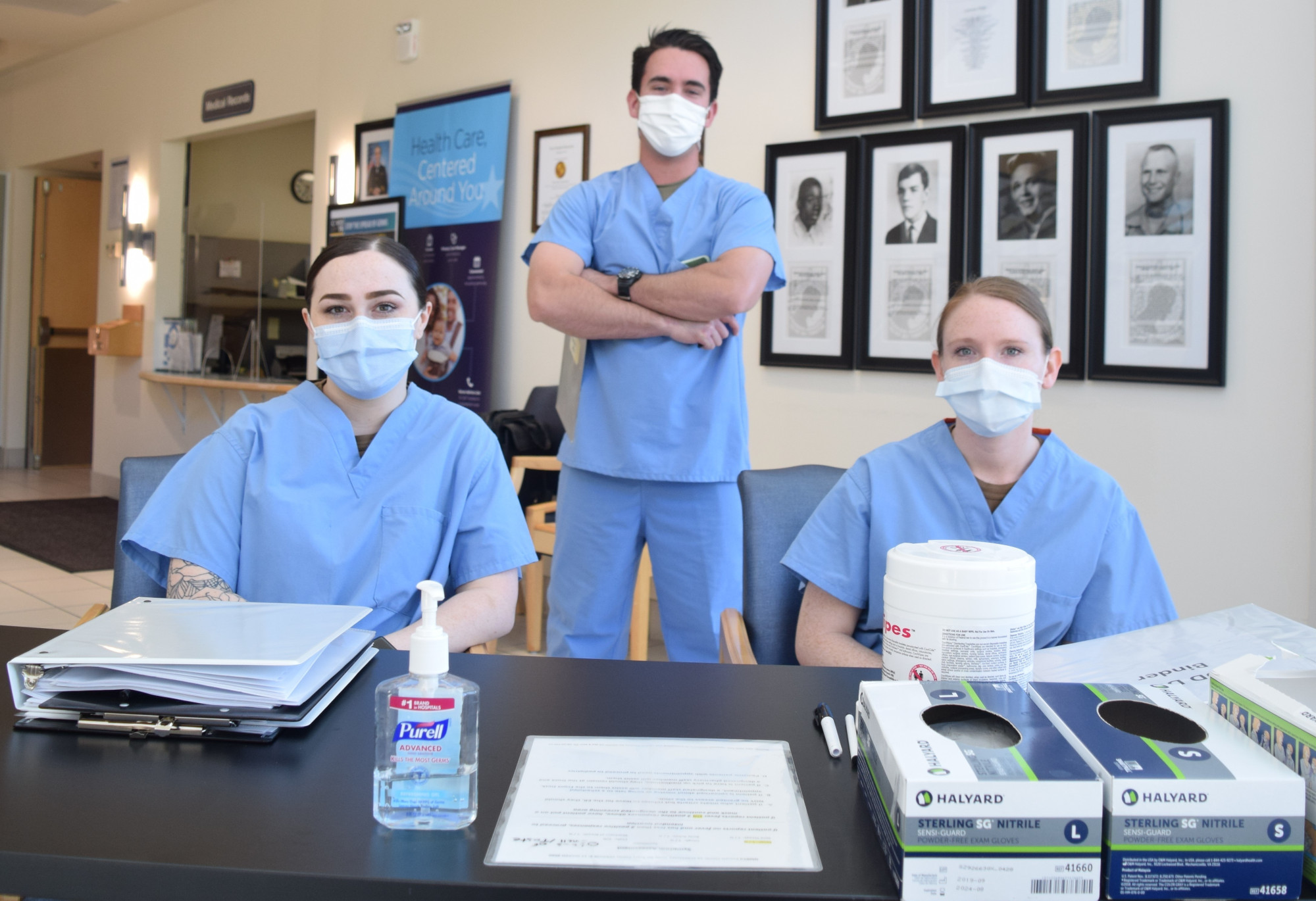
Depending on your professional needs, you will be led to choose surgical masks (for the medical sector in particular), FFP masks for more specific protection or barrier masks for the general public and certain professional sectors (service, sales, food). It is essential to choose well and determine in which situations to adopt them to protect yourself and protect your surroundings.