 The best equipment for pros and enthusiasts alike








-
 Professions
-
-
-
-
-
-
-
-
All Tops
![All Tops]()
-
-
-
All Bottoms
![All Bottoms]()
-
-
-
All Footwear
![All Footwear]()
-
-
-
All Bags
![All Bags]()
-
-
-
All Accessories
![All Accessories]()
-
-
In France, the forest covers 30% of the national territory, which places it in 4th position in Europe in terms of area. With these large spaces and a diversity of 137 different species, wooded areas therefore represent a crucial sector of the country. To manage, maintain, supply wood production and ensure the health of these precious spaces, we will focus on some of the main professions that ensure the preservation of our forests.
Summary:
- The forest agent
- The lumberjack
- The silviculture and reforestation operator
- The log truck driver and forest equipment operator
- Essential equipment
The forestry technician or agent
Also called forest ranger, he is the one who ensures the good management, of monitoring andforest maintenance. He is guarantor of compliance with laws and regulations over a given territory. He is therefore capable of establishing official reports in cases violations (such as illegal clearing for example).The forest agent participates in the preparation of forest management documents concerning planning and work management. He must therefore implement silviculture interventions, perform marking (marking trees to be felled) and supervise the work of wood workers during cutting and other tasks.
The technician has excellent knowledge of the forest ecosystem and silvicultural work. He is aware of regulations and must maintain a sense of contact to communicate with the various forest users.
The lumberjack
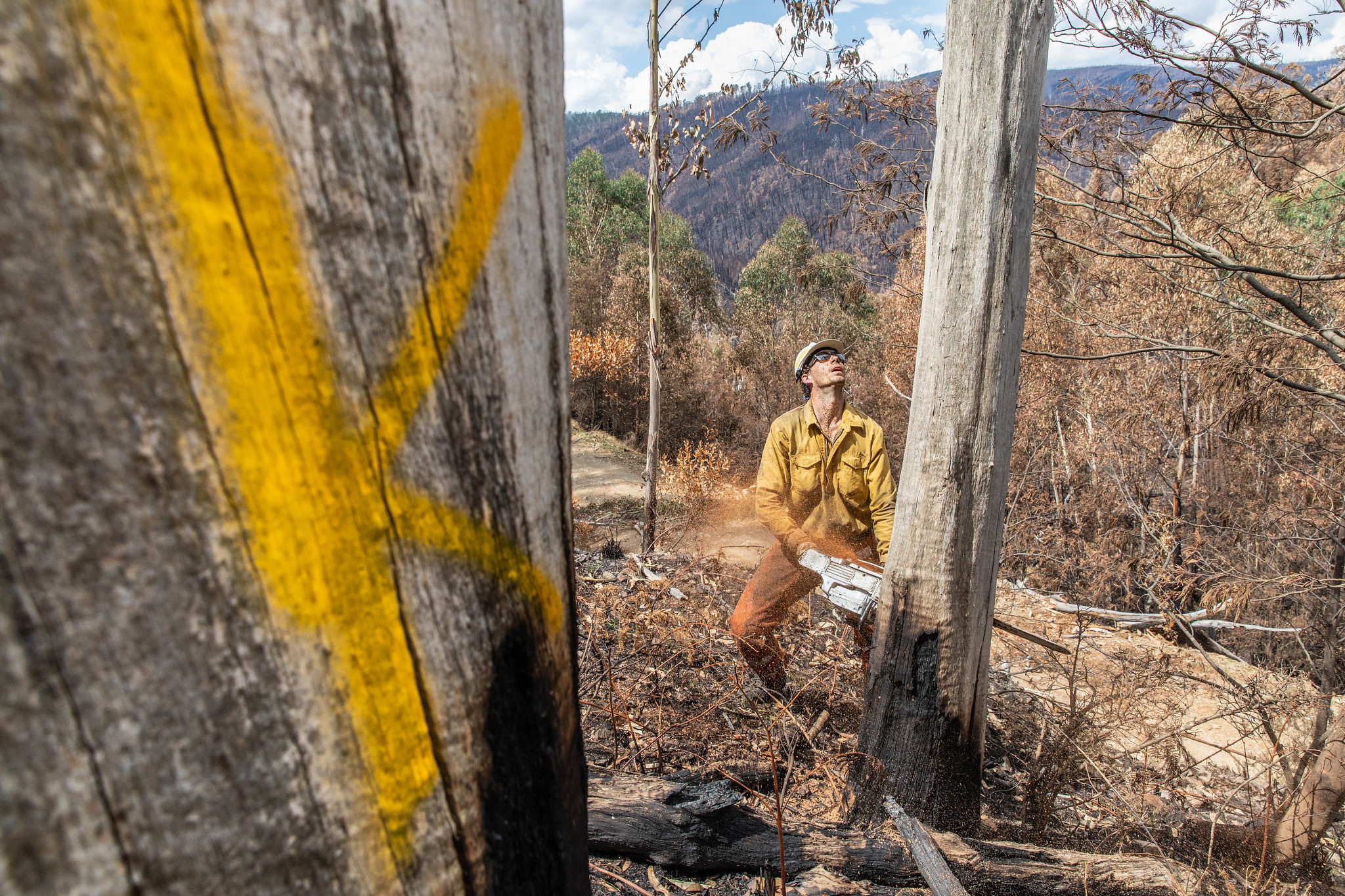
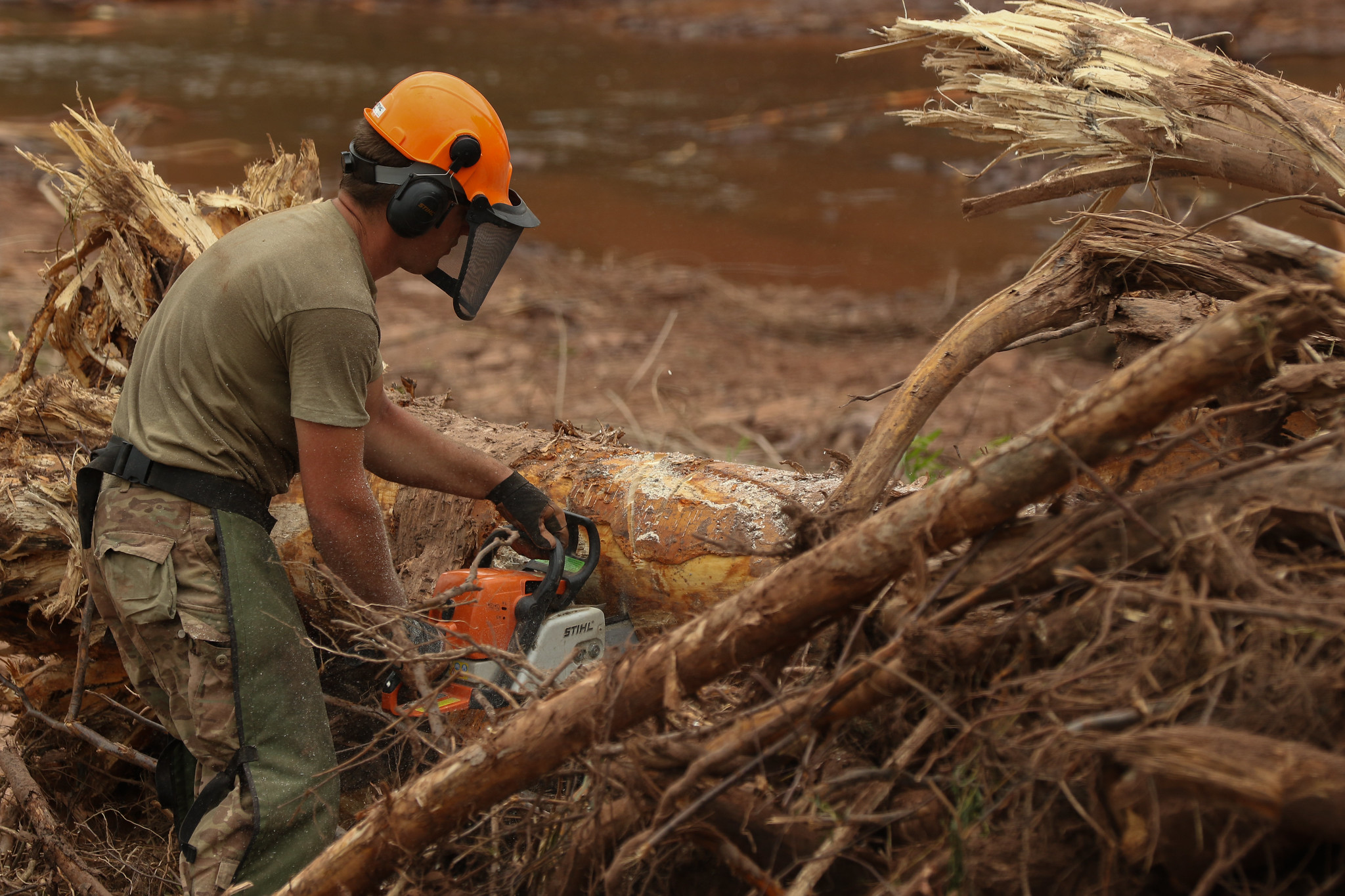
He is the qualified worker to perform wood cutting. He mainly handles the chainsaw for felling and tree trimming while ensuring not to damage the forest environment (young seedlings, other trees, etc). During his cuts, he ensures delimbing and sorting for the wood skidder. He knows how to identify tree marking, determine the volumes of felled wood and respect the work safety rules.
As such, in addition to the characteristics of the forestry worker's essential equipment, the lumberjack must equip himself with cut protection governed by EN 381 standard. The latter is divided into several parts that cover the entire body. EN 381-5 for pants, EN 381-7 for gloves, EN 381-11 for the upper body (jacket) and EN 381-9 for shoes or safety boots. These protective equipment are then categorized by a class ranging from 0 to 3 depending on the chain speed (respectively by class: 16 m/s, 20 m/s, 24 m/s and 28 m/s). The lumberjack must also wear a face shield or safety glasses, as well as hearing protection in addition to his protective helmet (Uvex brand offers for this an all-in-1 forestry helmet).
The silviculture and reforestation operator
His role consists of carrying out the main work of restoration and maintenance of forest environments. He takes care of planting new trees, clearing in young stands, pruning, trimming. He maintains forest roads and paths, tourist facilities and wildlife protection. He also fells very small diameter wood.
Through his activity, he helps ensure the proper development of young stands and ensures the healthy maintenance of trees throughout their life. The operator has for this a perfect knowledge of the needs and cultivation rules of the forest environment.
The log truck driver and forest equipment operator
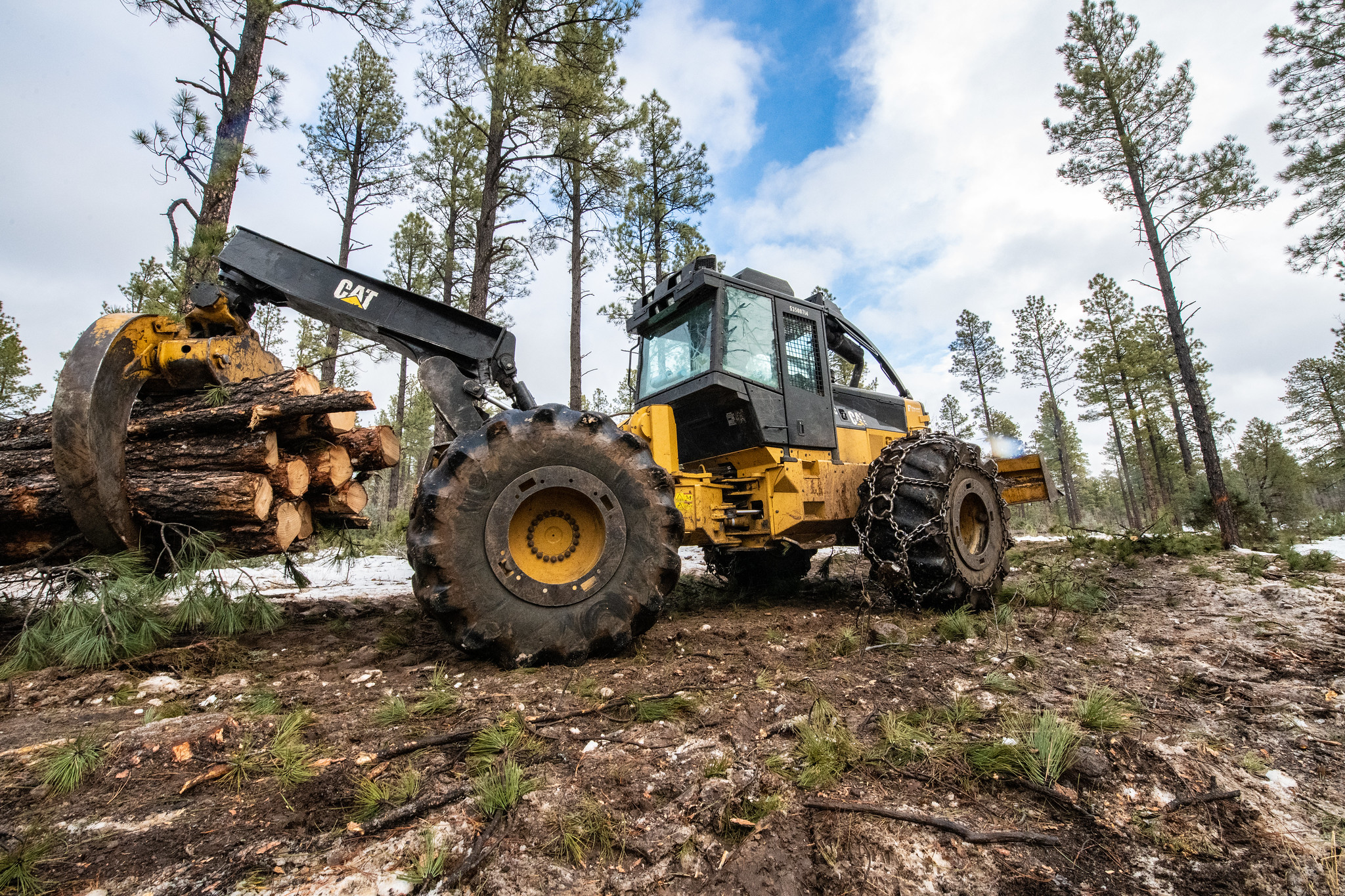
The first is responsible for transporting logs (felled wood) using a log truck on roadsides or on forest tracks. The loading is operated by a crane equipped on the truck and fitted with a grapple. The driver then ensures the transport of wood to the responsible operators.
The equipment operator is positioned on machines for felling, delimbing, bucking, or skidding. With this type of massive equipment, he can work on large volume trees or those inaccessible to a single lumberjack.
These two positions require skills in handling mechanical devices. In addition to wood operations and taking control of equipment, workers are responsible for machine maintenance. They must also ensure compliance with safety rules in the use of such equipment.
The essential equipment
Workers in the forestry sector will inevitably be required to work in the field. They must therefore equip themselves to ensure their safety with several essential elements for forestry tasks.
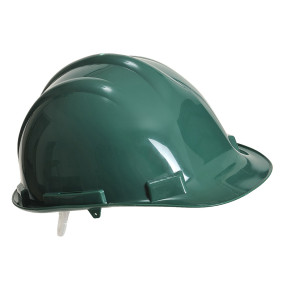
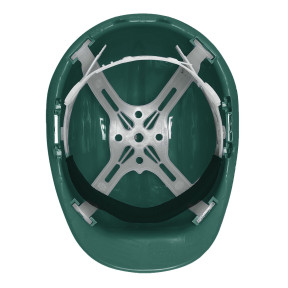
Workers and site supervisors in forests must therefore wear a protective helmet to protect themselves from impact risks during falling objects. A helmet meeting EN 397 standard will be able to fulfill this function.
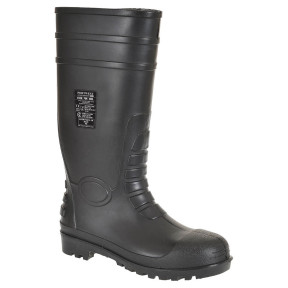
Safety shoes or steel-toed safety boots meeting EN ISO 20345 standard can guarantee safe movement on difficult terrain. The S5 class boots from Portwest brand easily meet this need.
In terms of attire, forest workers must wear clothing in bright colors or with high visibility characteristics to remain clearly visible. Being defined by outdoor work, the worker must face different weather conditions. Either by protecting against rain, or by wearing warm clothing against the cold. Several Carhartt brand garments have gained an excellent reputation for this type of work.
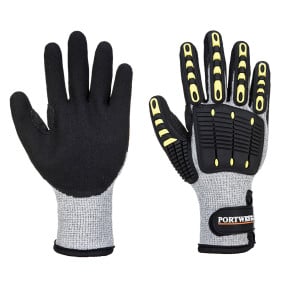
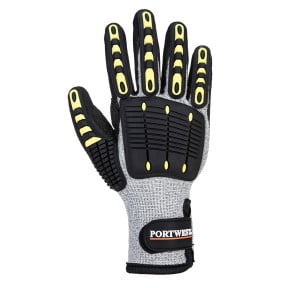
In addition, pairs of protective gloves will be able to prevent injuries when handling wood debris and branches.
The lumberjack who handles a chainsaw such as the chainsaw will need, in addition to the basic equipment, to be equipped with cut protection and hearing protection as we have already detailed above.
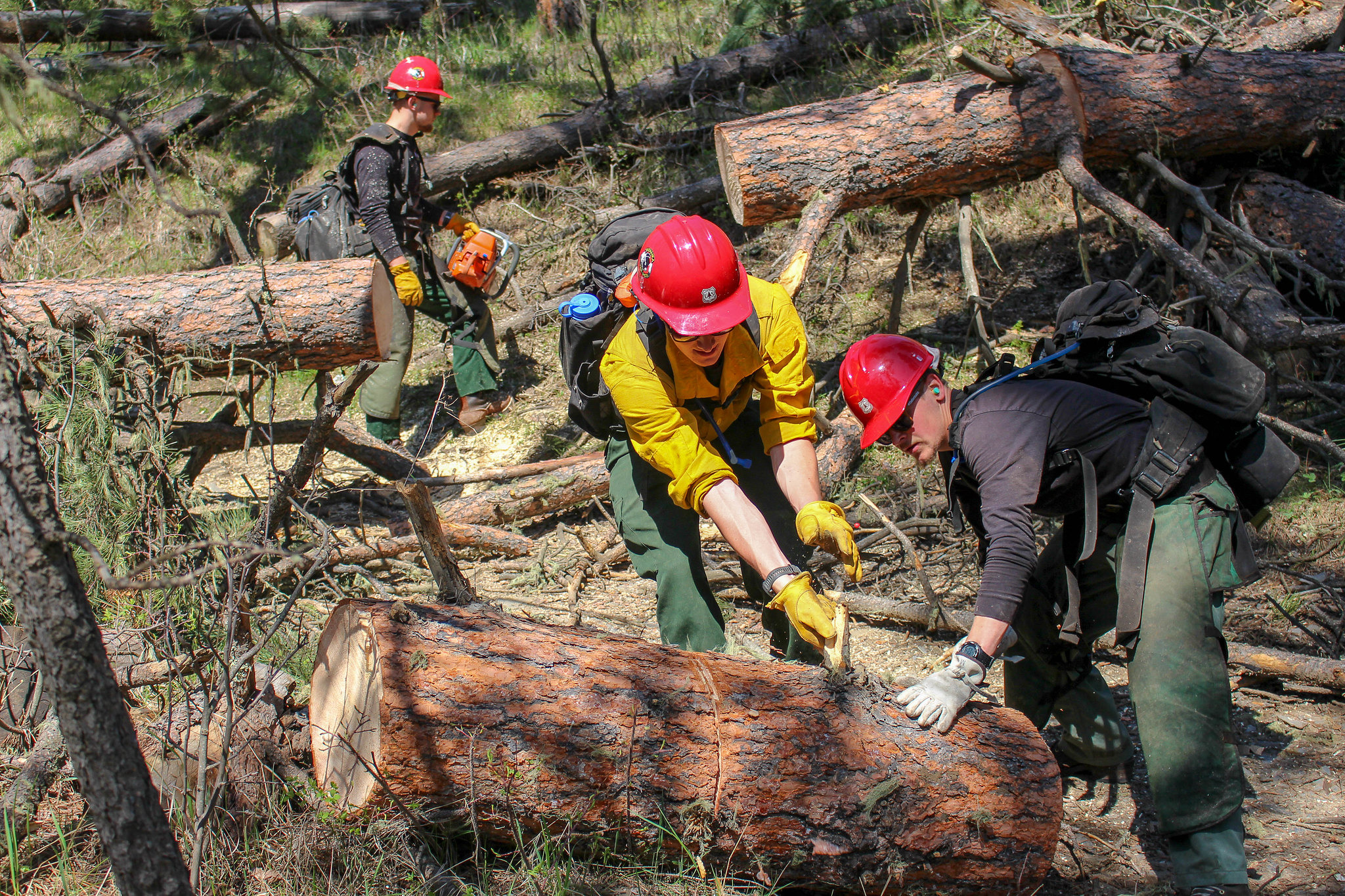
As we have just seen, forest work requires a wide range of skills and requires an entire team of workers and technicians to fully exploit the forests of France and keep them healthy. These professions in direct contact with nature have a crucial role to play in the preservation of these precious living spaces.
Related products
Related articles


-
![Over 200 brands At the best price]() Over 200 brands At the best price
Over 200 brands At the best price -
![Secure payment In 3 or 4 interest-free installments]() Secure payment In 3 or 4 interest-free installments
Secure payment In 3 or 4 interest-free installments -
![Delivery across Europe As soon as possible]() Delivery across Europe As soon as possible
Delivery across Europe As soon as possible -
![Customer service Monday to Friday]() Customer service Monday to Friday
Customer service Monday to Friday


