The best equipment for pros and enthusiasts alike




 Professions
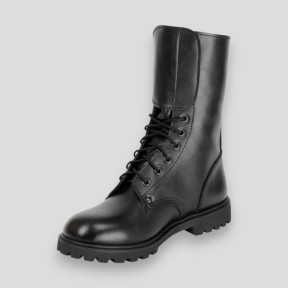
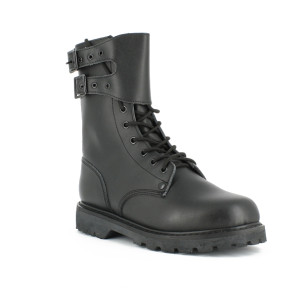
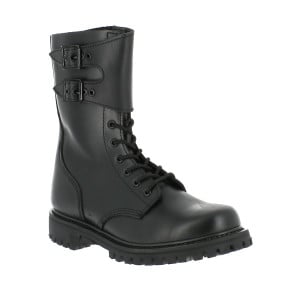
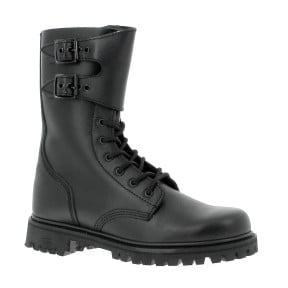
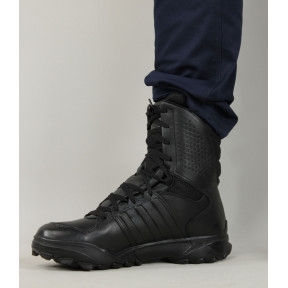
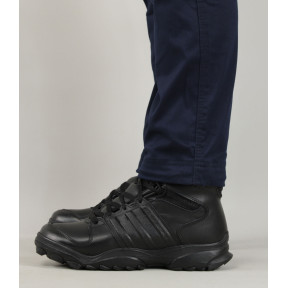
They are called Rangers, or Rangeots (pronounced "randjot"), but their official name is "Marching ankle boots with attached gaiters" (BMJA). This 2025 ranger buying guide helps you choose the best tactical shoes according to your specific needs.
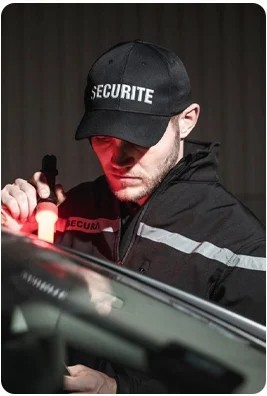
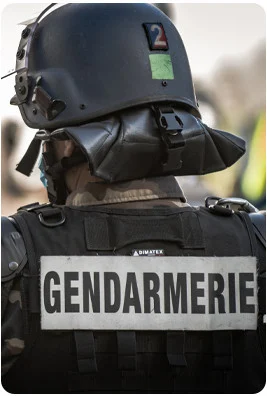
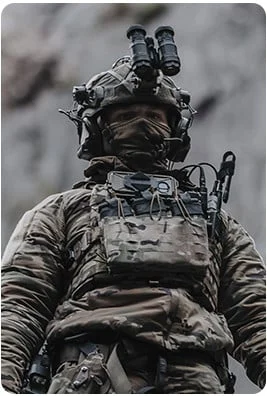
The shoes worn by military personnel, as well as security agents and firefighters, meet very high standards in terms of comfort, durability and performance. Good boots must have a high level of finish to withstand intensive and prolonged use. Their thick soles provide effective protection for feet in difficult environments: rough terrain, rocky ground, metal debris, riverbeds, glass shards... The fact that they extend over the ankle and lower leg provides very good foot support for greater safety, prevents stones or gravel from entering the shoe and provides good waterproofing to the shoe worn by military personnel. Boots are part of the basic equipment of military personnel. They are essential for walking long distances, crossing dangerous terrain and facing all conditions (earth, sand, water, mud, stones, asphalt...) These shoes are also popular with private security agents, police officers and gendarmes for conducting surveillance rounds of public places or responding to danger. Firefighters also appreciate boots for their safety during rescue operations.
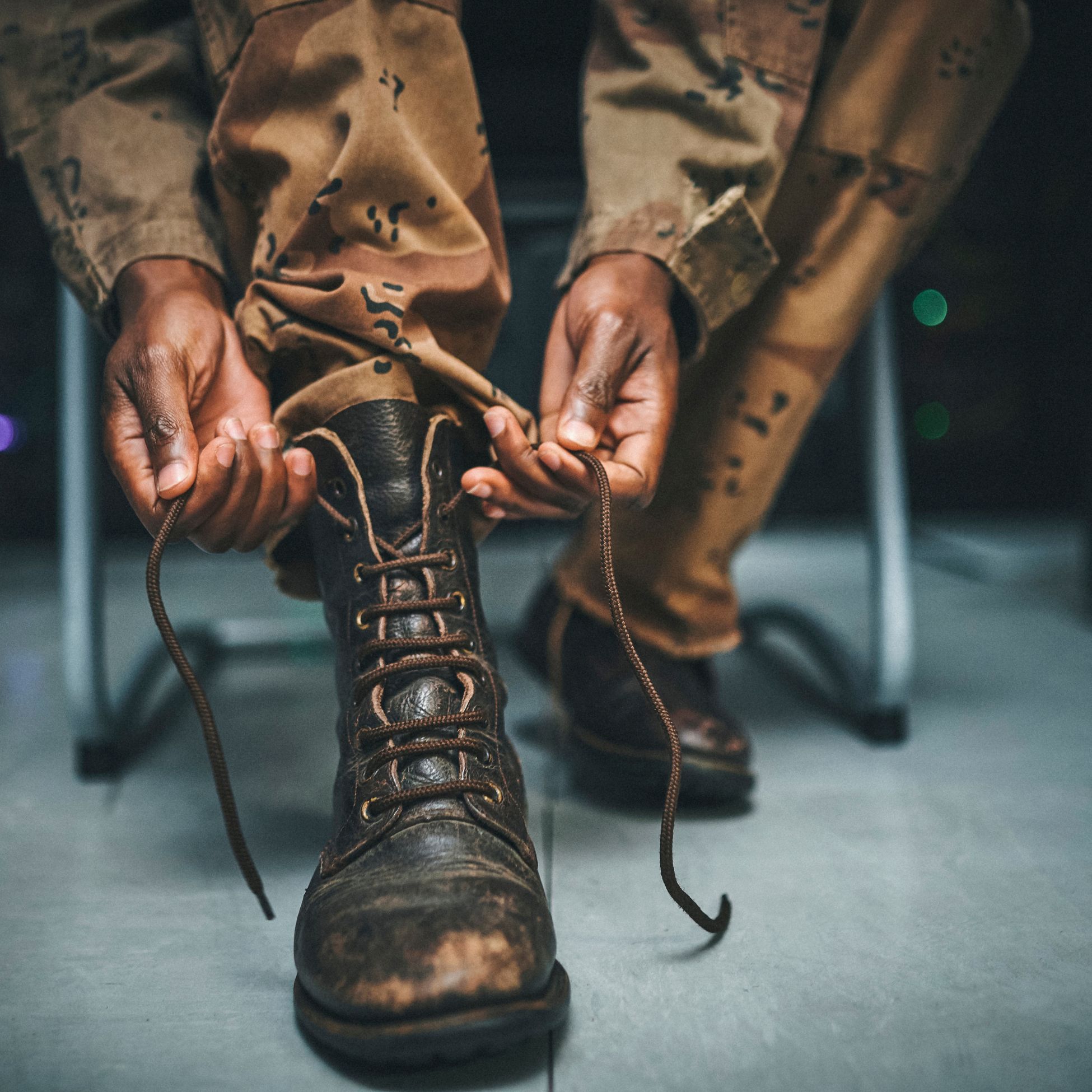
Comfort is paramount because you will wear these shoes for long hours, often in demanding conditions. A quality tactical shoe must be comfortable from the first wear, without any friction points that could create blisters or irritation.
Optimal fit means that the shoe perfectly conforms to the shape of your foot, neither too tight nor too loose. A practical tip: always try on your shoes with the socks you will use on duty, as thickness can significantly influence the fit.
Look for models offering good sole cushioning and a padded lining, two elements that significantly contribute to comfort during long walks or extended periods of standing. These features help reduce fatigue and improve your performance in the field.
Tactical shoes represent a significant investment, hence the importance of choosing robust materials that will withstand the test of time and difficult conditions. Full-grain leather remains a reference in terms of durability, offering excellent resistance to abrasion and tears.
Cordura®, a high-tech synthetic fabric, constitutes a modern alternative particularly appreciated for its lightness and exceptional resistance. Reinforcement zones on the most exposed areas like the heel, sides and front of the foot are essential to extend the lifespan of your shoes.
Don't forget to carefully examine the quality of seams and bonding, potential weak points that can compromise the overall strength of the shoe. Quality craftsmanship is recognized by the regularity and robustness of these assemblies.
Grip is a critical aspect of safety, particularly during operations on slippery or unstable surfaces. Soles must provide excellent traction regardless of terrain: mud, rock, wet asphalt, or metal surfaces.
Deep-profile rubber from recognized brands like Vibram®, Michelin®, or Contagrip® are particularly recommended for their proven performance. These specialized soles incorporate advanced technologies to optimize grip while maintaining good durability.
The geometry of the lugs and their spacing also play a crucial role in evacuating mud and debris, thus maintaining constant grip even in the most difficult conditions.
For missions in wet conditions, waterproofing becomes essential. Technical membranes like Gore-Tex®, eVent® or their equivalents offer effective protection against water while allowing the evacuation of perspiration.
This balance between waterproofing and breathability represents one of the major challenges in tactical shoe design. A quality membrane keeps you dry without creating overheating, a common problem with simply waterproof materials.
Consider your usage conditions: if you primarily operate in dry environments, breathability may take priority over waterproofing. Conversely, for missions in humid environments, absolutely prioritize water protection.
The weight of tactical shoes typically varies between 500 and 800 grams per shoe. This difference may seem minor, but it becomes significant during long missions or rapid movements. A lighter model promotes mobility and reduces leg fatigue.
However, weight reduction sometimes comes with compromises on durability or protection. Lightweight materials may be less resistant to intensive wear. Therefore evaluate your priorities according to your main missions: prioritize lightness for rapid interventions, robustness for intensive use on difficult terrain.
Traditional laces offer precise and customizable adjustment, but can prove constraining during interventions requiring rapid equipment. Adding a side zip or BOA® system revolutionizes putting on, allowing quick donning and doffing while maintaining optimal tightening.
The BOA® system, with its tightening dial and metal cables, offers precise adjustment and even pressure distribution on the foot. This technology is particularly appreciated by professionals requiring frequent equipment changes.
High-top shoes offer maximum ankle support, a crucial element for preventing sprains on rough terrain. This extended protection comes with an effective barrier against insects, debris, and various projectiles.
Their design makes them primarily suitable for military use or on difficult terrain. The downside of this increased protection lies in greater weight and less flexibility, which can limit movement speed.
The mid-top represents the perfect balance between ankle support, lightness and breathability. More flexible than the high-top, it nevertheless maintains superior protection to the low-top, making it the preferred choice for many professionals.
This versatility makes it particularly suitable for private security, airsoft activities, bivouac and generally all uses not requiring maximum protection. It often constitutes the best choice for varied daily use.
Although less protective, low-top shoes excel in lightness and flexibility. They are perfectly suited for rapid interventions in urban environments and hot climates where breathability takes priority.
Their reduced ankle support reserves them for professionals prioritizing mobility and operating on stable and predictable terrain.
.jpg)
After each use, take the time to carefully remove all accumulated debris: mud, gravel, vegetation. This simple but crucial step prevents the accumulation of dirt that could damage materials long-term.
For cleaning, use a damp cloth for leather parts and a soft brush for synthetic areas. Avoid harsh chemicals that could alter the properties of technical materials.
If your shoes are wet after use, let them dry naturally at room temperature. Avoid any direct heat source (radiator, hair dryer) that could crack the leather or deform synthetic materials.
Inserting newspaper into wet shoes accelerates the process by absorbing residual moisture. This simple technique also preserves the shape of the shoe during drying.
Leather parts require specific maintenance to maintain their flexibility and resistance. Regularly apply a cream or conditioning wax using a suitable brush, working the product in circular motions.
Once the product is absorbed and dry, proceed with polishing and buffing with a soft cloth or specialized brush. This final step provides shine and additional protection to the leather.
Always finish maintenance by applying a waterproofing spray. This regularly renewed protection maintains the water-repellent properties of your shoes, even after intensive use.
Follow the manufacturer's instructions regarding application frequency and recommended methods for your specific type of tactical shoes.
Build a complete maintenance kit including: polishes adapted to your shoe colors, waterproofing spray, brushes, polishing cloths and replacement laces.
Don't forget additional insoles that improve comfort and hygiene, particularly appreciated during intensive or prolonged use.
Boots are intended to be worn for several hours at a time, in conditions of sometimes intense effort and in often difficult contexts (heat, cold, rough terrain, bad weather...). They must therefore be comfortable and not injure the feet so that military personnel remain perfectly operational. Police officers, gendarmes or security agents, who sometimes have to patrol or remain on duty for several hours, share the same requirements for their intervention shoes. The thickness of the leather and the high-top shape of ranger boots easily causes foot injuries, particularly to the heel. This well-known difficulty for users can be resolved by softening the leather of new boots. There are several methods: "breaking in" the leather by applying pressure to the heel of the boots (wedging them under the bed legs), but this risks permanently damaging the leather and making it lose its waterproofing, or greasing the boots with beef foot oil or sunflower oil. This second method allows nourishing the leather to soften it, provided many coats are applied. Favor short outings at first so that the boots adapt to the morphology of your feet. You will of course need to renew the leather maintenance of the boots, to enjoy these shoes that have become comfortable, adapted to all situations, from the battlefield to surveillance including long hours of walking.
These softening techniques are not suitable, however, for combat boots and tactical shoes models that combine leather and textile fiber. These boots offer several advantages: lighter, more flexible and easier to maintain, they win the approval of many military personnel, law enforcement agents, gendarmes or police officers.
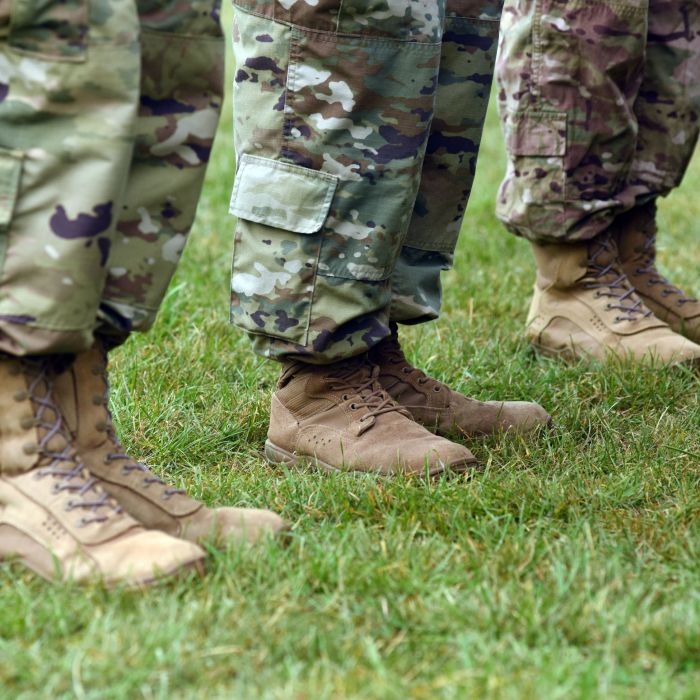
Boots are intended to be worn for several hours at a time, in conditions of sometimes intense effort and in often difficult contexts (heat, cold, rough terrain, bad weather...). They must therefore be comfortable and not injure the feet so that military personnel remain perfectly operational. Police officers, gendarmes or security agents, who sometimes have to patrol or remain on duty for several hours, share the same requirements for their intervention shoes. The thickness of the leather and the high-top shape of ranger boots easily causes foot injuries, particularly to the heel. This well-known difficulty for users can be resolved by softening the leather of new boots. There are several methods: "breaking in" the leather by applying pressure to the heel of the boots (wedging them under the bed legs), but this risks permanently damaging the leather and making it lose its waterproofing, or greasing the boots with beef foot oil or sunflower oil. This second method allows nourishing the leather to soften it, provided many coats are applied. Favor short outings at first so that the boots adapt to the morphology of your feet. You will of course need to renew the leather maintenance of the boots, to enjoy these shoes that have become comfortable, adapted to all situations, from the battlefield to surveillance including long hours of walking.
These softening techniques are not suitable, however, for combat boots and tactical shoes models that combine leather and textile fiber. These boots offer several advantages: lighter, more flexible and easier to maintain, they win the approval of many military personnel, law enforcement agents, gendarmes or police officers.
The choice of perfectly adapted tactical shoes is based on a precise evaluation of your needs. Comfort, support, durability, grip, waterproofing and weight constitute the fundamental criteria to consider in your decision.
For versatile daily use in private security, airsoft, or camping, the mid-top generally represents the optimal choice, offering the perfect balance between support and comfort. Professionals operating on demanding terrain or requiring maximum protection will opt for high-top models.
Whatever your final choice, regular maintenance will significantly extend the lifespan of your shoes while maintaining their optimal performance. Consider your tactical shoes as an investment in your safety and professional performance: the time spent choosing and maintaining them properly will be largely rewarded by their reliability in the field.