The best equipment for pros and enthusiasts alike


-35%
 Professions
Table of Contents:
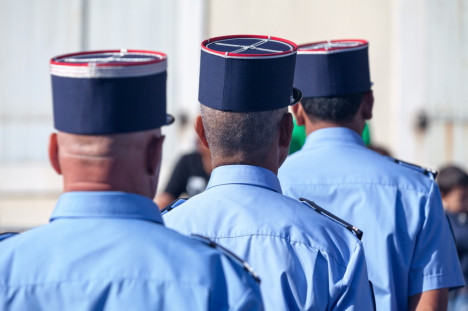
The National Gendarmerie High Mountain Intervention Platoon (PGHM) was created in 1958 following a serious accident on Mont Blanc. The high mountain gendarme is simultaneously a military officer, an experienced mountaineer, a rescuer, but also an investigator.
Today there are 16 PGHM units distributed across the Alps, the Pyrenees, Corsica and Réunion. There are also 5 High Mountain Platoons (HMP) across France, in the Vosges, the Jura and the Massif Central.
Note: one must distinguish between a mountain gendarme and a high mountain gendarme. The former works within a territorial mountain brigade or a mobile gendarmerie squadron without having undergone specific training. While the latter is specialized in delicate and dangerous high mountain interventions.

As part of its missions, the National Gendarmerie High Mountain Intervention Platoon is required to practice skiing, climbing and mountaineering in order to intervene in delicate and dangerous situations in high mountains. When the gendarme is part of a PGHM, he performs different types of actions such as the search for missing persons, rescue and assistance to people in difficulty, but also regulatory control to ensure compliance with mountain-specific legislation.
For these various missions, he works in collaboration with other specialized gendarmes such as helicopter pilots, dog handlers and doctors.
In order to always be ready to successfully carry out all their operations, these specialized gendarmes train regularly to maintain good physical and athletic condition. Representation and simulation of accidents is also a good way to prepare them for all types of missions and to have good knowledge of their intervention location: the mountains.
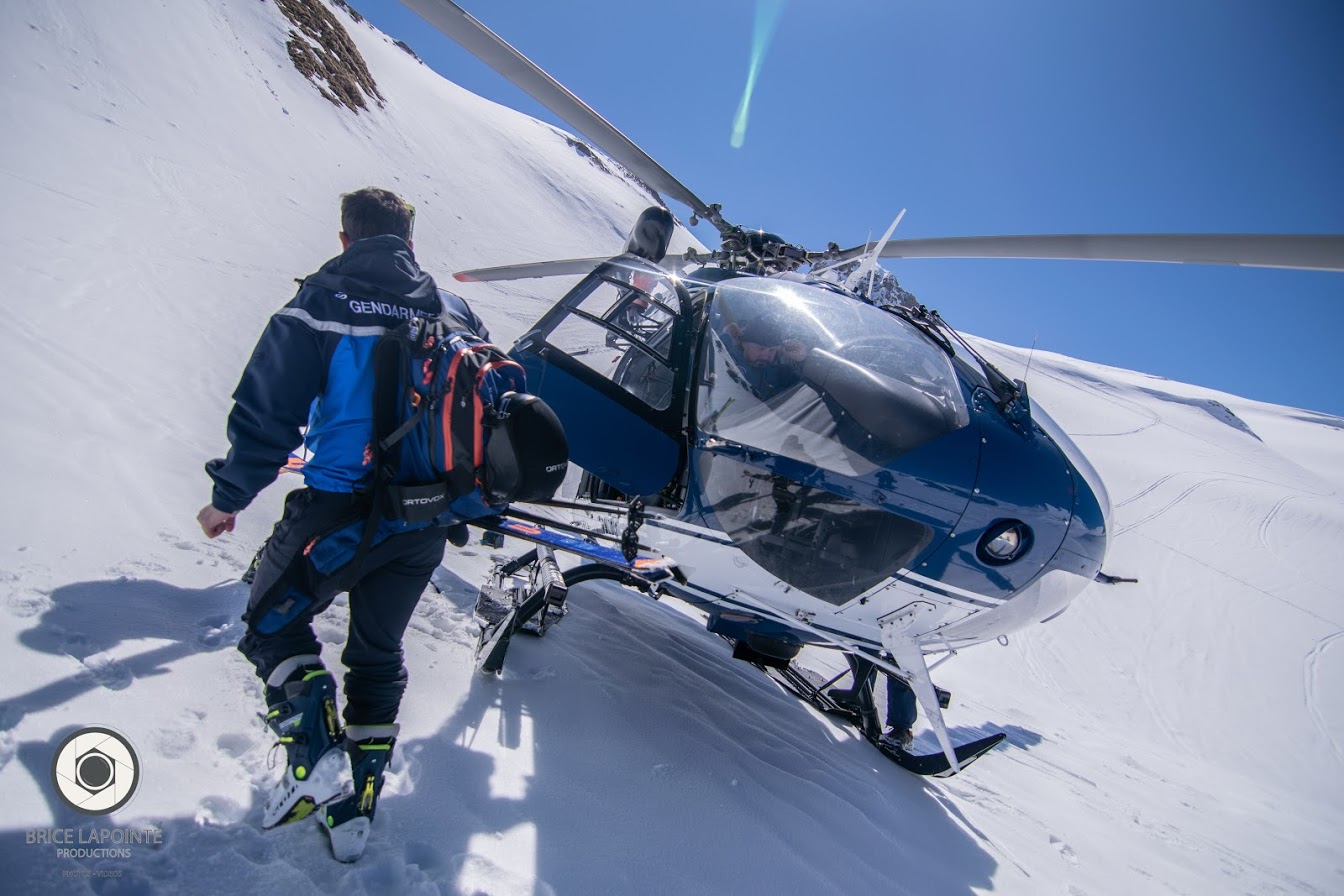
It consists of three levels: basic training, qualification training and specialization.
The first allows integration into a gendarmerie mountain group (GMG). In order to obtain this Elementary Mountain Certificate (EMC), one must first complete two weeks of training in summer and in winter.
The qualification training consists of six weeks in summer, two weeks in autumn and five weeks in winter. It gives its holder the right to supervise military personnel assigned to execute missions, training and instruction in gendarmerie operations in mountainous areas.
As for specialization, it isorganized in two stages, the selection tests and the attainment of the mountain specialist certificate.
If you also wish to join a PGHM, you must first pass the gendarmerie non-commissioned officer exam. Following this, selection tests take place in Chamonix at the National Center for Ski and Mountaineering Instruction of the Gendarmerie (CNISAG). These tests consist of performing a timed cross-country run (recommended article: 5 tips to run 3 km in under 15 minutes), alpine skiing, off-piste skiing, a climbing course on an artificial wall and searching for an avalanche victim within a set time.