The best equipment for pros and enthusiasts alike




 Professions
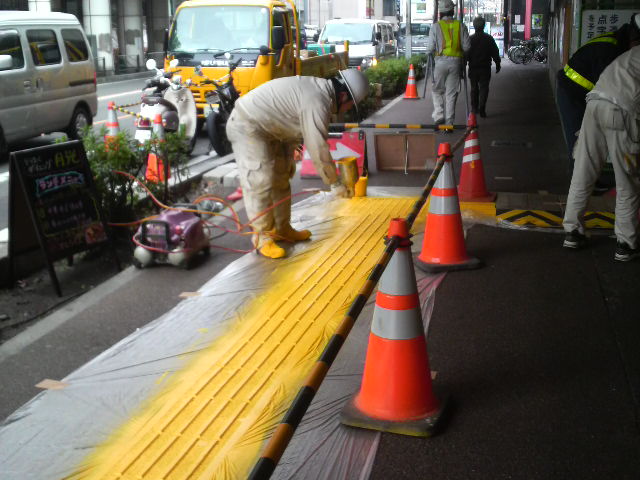
Painting methods by spraying or by powder in the industrial and construction sector present certain risks. The prevention of these for the painter profession requires the mandatory wearing ofpersonal protective equipment designed to counter the harmful effects related to painting.
Summary:
For professional painting, we distinguish two methods of coating spraying: wet painting and powder coating.
Powder coating, unlike conventional wet paint, releases only a minimum of Volatile Organic Compounds (VOCs). These compounds must not be released in enclosed environments, such as factories.
VOCs are a health hazard and can cause serious damage to the body as well as the environment. Prolonged exposure to VOCs is indeed responsible for respiratory diseases, cancers and other damage to the nervous system.
The reduced release of VOCs with powder coatings thus guarantees cleaner and healthier air. Industrial environments must however be equipped with suction systems and powder filtration. This is to eliminate excess dust and renew the purified air of the workspace.
Following aspiration and filtration, excess powder can be re-collected via a special sieve to then be reused and reduce waste.
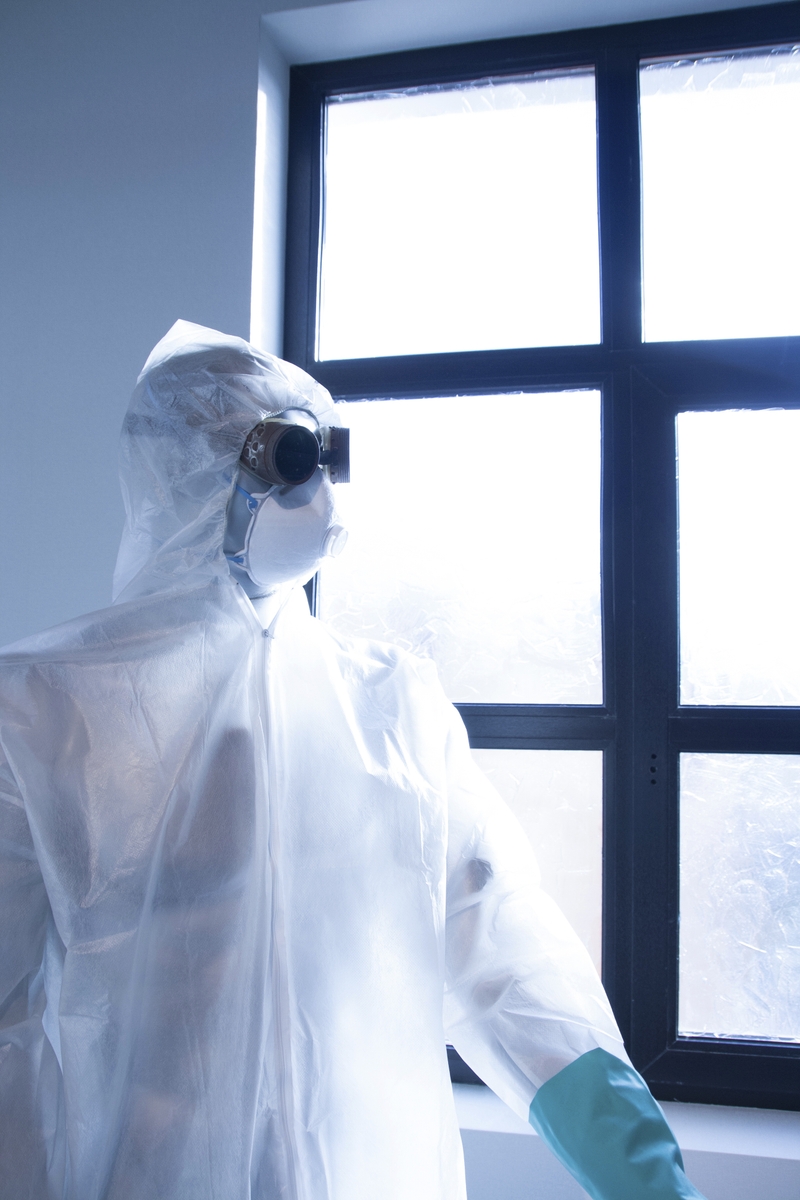
For paint application via a spray gun, wearing a filter mask is essential. The facial equipment must cover the nose, mouth and chin. The dust mask type FFP2 or FFP3, against dust or large particles, is suitable for sanding work. These half-masks cover the nose and mouth and are easy to wear, but have a limited effectiveness duration of only a few hours. They should therefore not be used in the presence of harmful or toxic substances.
Direct contact with paints and other chemical products must be avoided at all costs. Wearing protective gloves is thus mandatory. We distinguish, via labeling, several risk levels :
- R27 : very toxic by skin contact
- R24 : toxic by skin contact
- R21 : harmful by skin contact
- R34 : causes burns
- R35 : causes severe burns
Gloves should therefore be chosen according to the danger level of the products used. Hand perspiration can be countered by gloves with ventilation on the back and by using hand talc. For long-duration wear, disposable cotton under-gloves are recommended.
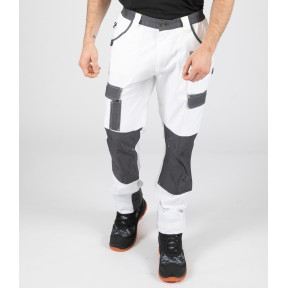
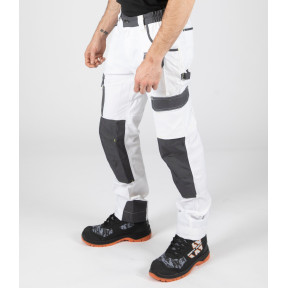
The splashes caused by most painting work are very corrosive. Thus, for eye protection, safety glasses, face shields and masks are recommended. Body protection involves wearing clothing designed for painting activities. Either complete coveralls, or resistant workwear and stain-resistant, while having the versatility and ergonomics of craftsmen's clothing handling multiple tools.

Painting methods by spraying or by powder present risks to health. As we have just seen, equipment and appropriate clothing are then essential for carrying out painting in the building and industrial sectors.