 The best equipment for pros and enthusiasts alike










-
 Professions
-
-
-
-
-
-
-
-
All Tops
![All Tops]()
-
-
-
All Bottoms
![All Bottoms]()
-
-
-
All Footwear
![All Footwear]()
-
-
-
All Bags
![All Bags]()
-
-
-
All Accessories
![All Accessories]()
-
-
Competition is fierce in the restaurant industry for the most creative professionals who want to leave their mark in history. From the Bocuse d'Or to Michelin stars through the new dynamics of digital awards, let's see how distinctions are currently awarded in the gastronomy sector.
Table of Contents:

The Bocuse Gold, Silver and Bronze
Considered the most prestigious prize in gastronomy, the World Cooking Contest created by Paul Bocuse in 1987 takes place every two years. Originally from Lyon and considered the "chef of the century" and the "pope of gastronomy", the French chef, now deceased, contributed for more than 50 years to showcasing culinary art around regional cuisine. The Bocuse d'Or, but also the Bocuse d'Argent and Bronze, are awarded in Lyon as part of the International Exhibition of Catering, Hotel and Food Industries (SIRHA). Coming from the qualifiers, 24 competitors from around the world compete in public for more than 5 hours to create the required dish. Since 2008, the competition has distinguished different continental selections of the Bocuse d'Or according to world regions: Bocuse d'Or Europe, America, Asia or even Africa since 2018. This competition is not only a springboard for candidates but also an opportunity to highlight the emergence of haute cuisine in many countries.

Michelin Stars
Nearly a century old, Michelin stars are among the most essential awards in culinary art. This time, it's not the individual but the group that is rewarded at the level of hotels and restaurants. From "very good" (one star) to "exceptional" (three stars), the quality of cuisine is evaluated based on what's on the plate in terms of flavor and creativity. The establishment of these awards led to the creation of a reference "red guide" that ranks among the most famous gastronomic guides in the world.

Since 2020, there has also been a Michelin green star that is awarded to restaurants that care about environmental preservation for sustainable and ecological gastronomy. This annual award encourages more responsible dining with ethical standards and environmental considerations. In order to reduce the amount of food waste produced and offer local and seasonal ingredients, chefs must work closely with livestock farmers and farmers.

Other awards
Less known to the general public, several other awards recognize the culinary world, sometimes according to very specific criteria. This is the case with the Bib Gourmand which, since 1997, highlights restaurants offering the best value for money. These must be able to offer a complete menu (starter, main course, dessert) for less than 37 euros in Paris and 33 euros in the provinces.
More recent (2016), the Michelin Plate award constitutes an intermediate step before aspiring to obtain a star. It rewards establishments characterized by the quality of products offered and the chef's mastery. This allows for expanding the awards to a greater number of restaurants.

The health crisis context has also favored the creation and development of digital awards for the restaurant industry. Libeo, a specialist in business-to-business payments, for example launched the Digital Restaurant of the Year Award which rewards restaurateurs who have best adapted to the digital transformation of their business (online menus and orders, click & collect). Beyond the financial reward, it's mainly about offering support to restaurateurs in their digitalization process to help them overcome the crisis.

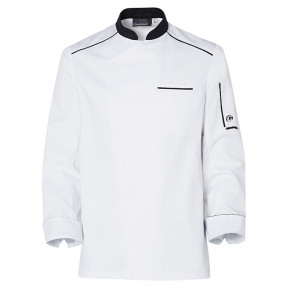
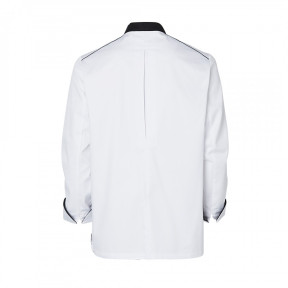
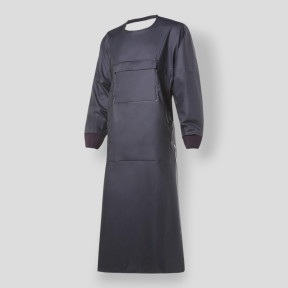
Aspiring to obtain a gastronomic award of such a level obviously requires wearing impeccable attire. Specialized brands in this field such as Molinel, Robur or SNV offer them to all restaurant professionals.
Related products
-45%

Related articles


-
![Over 200 brands At the best price]() Over 200 brands At the best price
Over 200 brands At the best price -
![Secure payment In 3 or 4 interest-free installments]() Secure payment In 3 or 4 interest-free installments
Secure payment In 3 or 4 interest-free installments -
![Delivery across Europe From €79 of purchase]() Delivery across Europe From €79 of purchase
Delivery across Europe From €79 of purchase -
![Customer service Monday to Friday]() Customer service Monday to Friday
Customer service Monday to Friday


