The best equipment for pros and enthusiasts alike





 Professions
This blog details everything you need to know about hardshell fabric: its technical characteristics, its advantages in terms of weather protection, and the reasons why it is essential equipment for outdoor activities. Explore the world of hardshell jackets, discovering their differences with softshells and getting practical advice for choosing them well.
Summary:
When you set off on an adventure, choosing your equipment can transform your experience. Among technical clothing, hardshell fabric stands out as an essential solution for facing the harshest conditions. This fabric, literally translated as "hard shell", is designed to offer exceptional protection against elements such as driving rain, icy snow, unpredictable hail and violent winds. Let's explore together the characteristics that make hardshell an emblematic fabric in the world of outdoor activities.
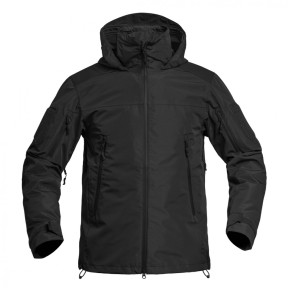
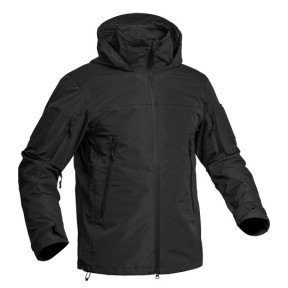
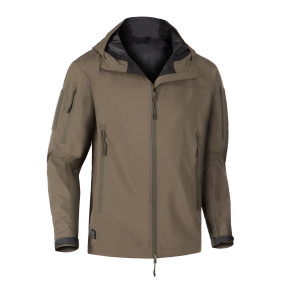
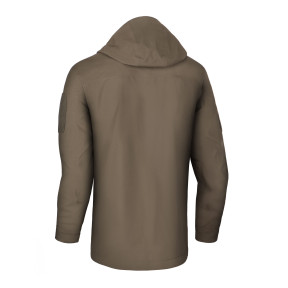
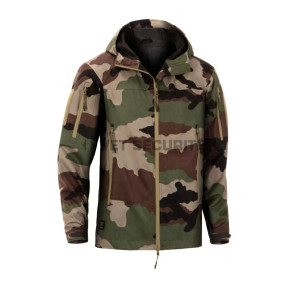
A hardshell is a waterproof-breathable jacket designed to effectively protect against rain, wind and snow, while remaining lightweight and breathable. It constitutes an effective barrier against bad weather thanks to its unique design, integrating a technical membrane located between a robust outer fabric and a protective inner lining. The membrane, the centerpiece of the hardshell, offers dual functionality: advanced waterproofing that prevents any water infiltration, and adapted breathability that efficiently evacuates perspiration. This innovative architecture guarantees both durability and lightness, making the hardshell essential equipment for adventures in difficult weather conditions.
Waterproof-breathable membrane: The microscopic pores of the membrane are narrow enough to block water droplets while allowing perspiration to evaporate.
Construction types: We distinguish hardshell jackets in 2, 2.5 and 3 layers, each adapted to specific needs. 3-layer models, for example, offer increased protection for extreme conditions like mountaineering or ice climbing.
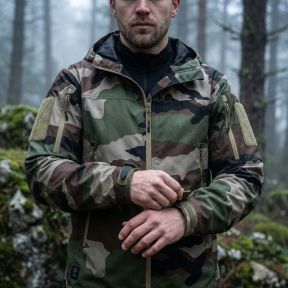
Hardshell fabric clothing is ideal for outdoor activities in difficult weather conditions, such as:
 A10 Equipment
Although it doesn't provide warmth directly, the hardshell is an essential piece in the three-layer system, allowing optimal management of extreme weather conditions. Indeed, combined with a fleece, down jacket or softshell as a second layer, it plays an essential role in maintaining thermal comfort adapted to the situation. This synergy combines protection against bad weather and efficient insulation, making the ensemble performant, whether for high mountain hiking or alpine activities in cold weather.
The waterproofing level of a hardshell is measured in Schmerber, a unit that quantifies the resistance of a fabric to water pressure. This measurement corresponds to the height of a water column in millimeters that the fabric can withstand before water penetrates. For example, a value of 10,000 Schmerber means the fabric can resist a 10-meter water column without leakage, making it ideal for outdoor activities under moderate rain.
If a fabric has a high Schmerber value, it is completely waterproof on paper. However, the waterproofing of a hardshell also depends on the quality of sealed seams, waterproof zippers, and garment maintenance (such as regular application of a durable water repellent treatment, or DWR).
By combining high waterproofing with good breathability, modern hardshells ensure exceptional comfort and protection, even in the worst conditions.
The breathability of a jacket is an essential criterion to guarantee comfort during physical activities, especially if they are intense. It is measured in MVTR (Moisture Vapor Transmission Rate), which indicates the amount of water vapor (in grams) that can pass through one square meter of fabric in 24 hours. The higher the MVTR value, the more the fabric is capable of efficiently wicking away perspiration, thus avoiding a feeling of dampness and cold.
Modern hardshells combine exceptional robustness with reduced weight, thus offering optimal protection without weighing down your equipment. Among these models, 2.5-layer versions stand out for their ultra-lightweight design and compactness. They are easy to fold and store, making them ideal for adventures on the move, like trail running or fast hiking, where every gram counts. Additionally, their technical structure guarantees adapted breathability while maintaining reliable waterproofing, even in unpredictable weather conditions.

Although the hardshell is incomparable protection against the elements, it has notable differences compared to the softshell which stands out for its warmth provision and comfort. While the hardshell excels in extreme conditions, the softshell is better suited to more mild climates and moderate activities. Here are some criteria to better choose between these two options :
The combination of a hardshell and a softshell allows combining protection and comfort to adapt to varied conditions. This duo ensures optimal thermal management, freedom of movement thanks to the flexibility of the softshell, and reliable protection with the hardshell, ideal for outdoor activities facing changing conditions.
To maintain optimal performance of your hardshell, regular and appropriate maintenance is essential. This process helps preserve its waterproofing, breathability and durability against extreme conditions. Here are some key tips for effective maintenance:
Hardshell fabric, with its advanced technical performance, redefines the standards of protective clothing for outdoor activities. Designed to meet the needs of hiking, skiing and other extreme sports enthusiasts, it offers a unique combination of robustness, waterproofing and breathability. Whether it's a mountain trek under driving rain or a ski descent facing icy wind, choosing a suitable hardshell guarantees optimal comfort, maximum protection and increased longevity. Explore the many available models, compare their technical characteristics, and equip yourself accordingly to transform your next adventures into unforgettable experiences!