The best equipment for pros and enthusiasts alike





 Professions
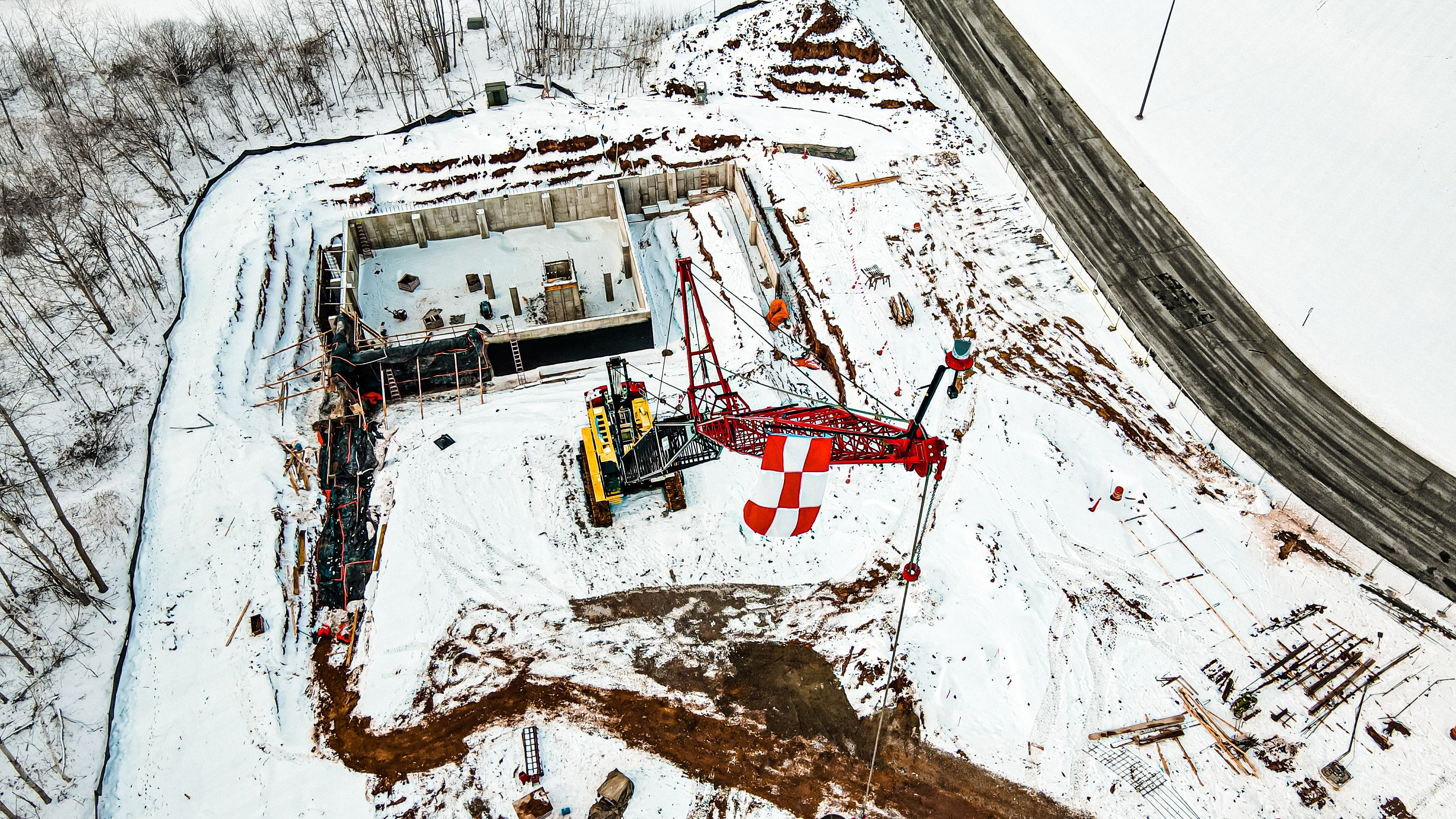
Construction sites can be particularly difficult in winter, with cold temperatures, wind, snow or ice. It's important to adopt certain practices to ensure everyone's safety on the site. Here are some reflexes to adopt on construction sites in winter.
Summary:
Discover our clothing, accessories and safety shoes adapted to the difficulties of construction sites.
It's important to dress accordingly to protect yourself from the cold. You will therefore need to wear warm clothing, cold-weather gloves and winter shoes or lined boots.
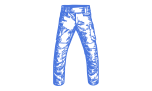
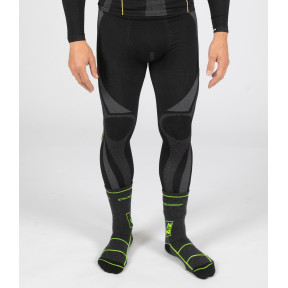
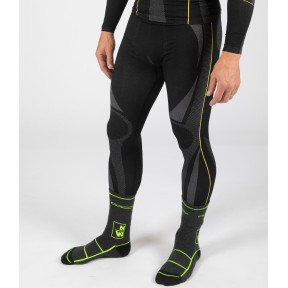
For winter clothing to select, it's recommended to layer when exposed to cold. As a first layer, you can use winter technical underwear from Helly Hansen or Delta Plus, before putting on your t-shirt and work pants. For pants, if you need to kneel, it's better to opt for EN 14404 certified pants, ensuring good knee protection. It can be interesting to get waterproof pants or rain overpants to avoid staying soaked all day in case of bad weather.
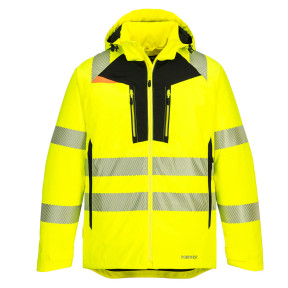
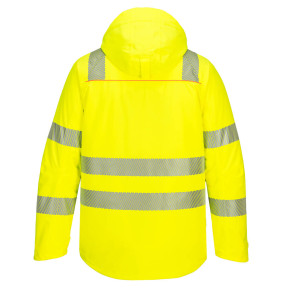
As a third layer, if you're not sensitive to cold, you can directly put on your waterproof high-visibility parka, otherwise, you can add a fleece or even a sweatshirt.
For outdoor work in winter, it's essential to have your waterproof parka or at least a raincoat or windbreaker, for their "windproof" capabilities first and secondly to protect you from unpredictable snow or rain showers that can occur.
Regarding safety shoes, you can opt for lined S5 CI SRC boots like boots from Jallatte or for S3 CI SRC certified shoes. It is very important that your shoes are slip-resistant and CI certified for working in cold outdoor conditions. We also recommend opting for high-top shoes if not boots during these winter times. Don't neglect your socks, it's better to choose thick special cold-weather socks.
As seen before, it's important to dress properly to avoid suffering from cold when working on construction sites in winter. And to do this, you need to pay attention to weather forecasts, indeed, if you don't want to carry your heavy waterproof parka every day, you'll need to watch out for rainy days and milder days.
Another very important point is the estimated temperature, indeed, depending on wind or rain, your body will be more severely affected by the cold. So don't forget your accessories during your workdays to protect your extremities, as they are most at risk when your body temperature drops.
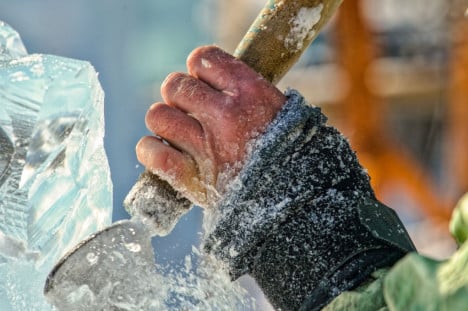
Any hat will do just fine, however be careful when wearing a helmet with a hat, you will need to readjust its size properly. Also, never go to work without your cold-weather work gloves EN 511 certified. Don't forget a neck warmer, or a scarf to put around your throat and over your nose, thus allowing you to breathe in less cold air.
Cold and wind can also irritate the skin and cause chapping or frostbite. It is therefore essential to protect your skin with a suitable product and covering clothing to protect yourself from it.
In case of real temperature drops, heavy downpours or simply very difficult weather conditions, it's possible that your work may be postponed. As stipulated in article L. 5424-9 of the Labor Code, if conditions are too dangerous, it may be preferable to postpone work to a later date, in which case employees will be entitled to request "weather" unemployment benefits. Another aspect impacted during severe cold, without necessarily immediately jeopardizing activity, but which is essential to pay attention to, is freezing of site installations. Make sure that all pipes and machines are well protected against freezing. If one of them freezes, it can cause damage and lead to work delays or even require complete reinstallation.

Ice and snow can make the ground slippery, so it's important to take precautions to avoid falls. Use fall protection safety equipment to secure all your work at height and make sure to properly anchor any heavy equipment to prevent it from sliding or falling.
Unfortunately, during periods of intense cold, the risk of falling is multiplied and permanent, which is why you need to be extra vigilant when moving on cold, snowy or icy ground. In addition to paying attention to it, it's necessary to wear slip-resistant boots specially certified for cold surfaces, like EN 20345 safety shoes at minimum, with SRC markings for slip-resistant capabilities and CI for insulation against cold penetration.
If you already have lined boots, or shoes that suit you, you can opt for special snow and ice overshoes, which will protect you from falls and slips without having to pay for complete new shoes.
By following these recommendations, you can help ensure your safety, that of the installations and your colleagues in winter. Don't forget that accident prevention, in addition to protection and safety equipment, is essential to guarantee the safety of all construction site participants.