The best equipment for pros and enthusiasts alike

-15%
 Professions
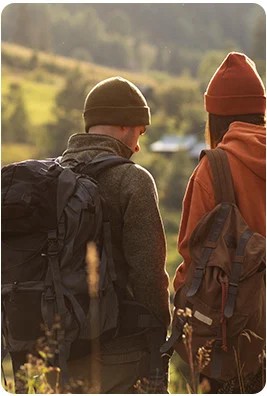
You want to go on a bivouac? However, the practice is regulated and may be prohibited, such as in national parks. While camping is forbidden in certain areas, bivouacking may be authorized provided you don't spend several consecutive nights there.
In recent years, the way people spend their vacations has evolved significantly. More generally, bivouacking, whether in conventional camping or wild camping, has seen its popularity grow over the years.
Just like the practice, bivouac equipment continues to evolve with the goal of becoming lighter, more compact and more efficient.
We will cover what is necessary to bring on your trekking and bivouac outings for a duration of 48 hours or more.
Summary:
The choice of your backpack is very important, it will allow you to store all your equipment and transport your gear. That's why we invite you to read our article "How to choose the volume of your bag?" in order to select the bag most suited to your activity.
The ideal for a 48-hour outing is to choose a bag with a volume of 35 to 50 liters, like the one offered by the Tasmanian Tiger brand. Additionally, to protect its contents, a waterproof bag cover will allow you to keep your belongings dry in case of rain.
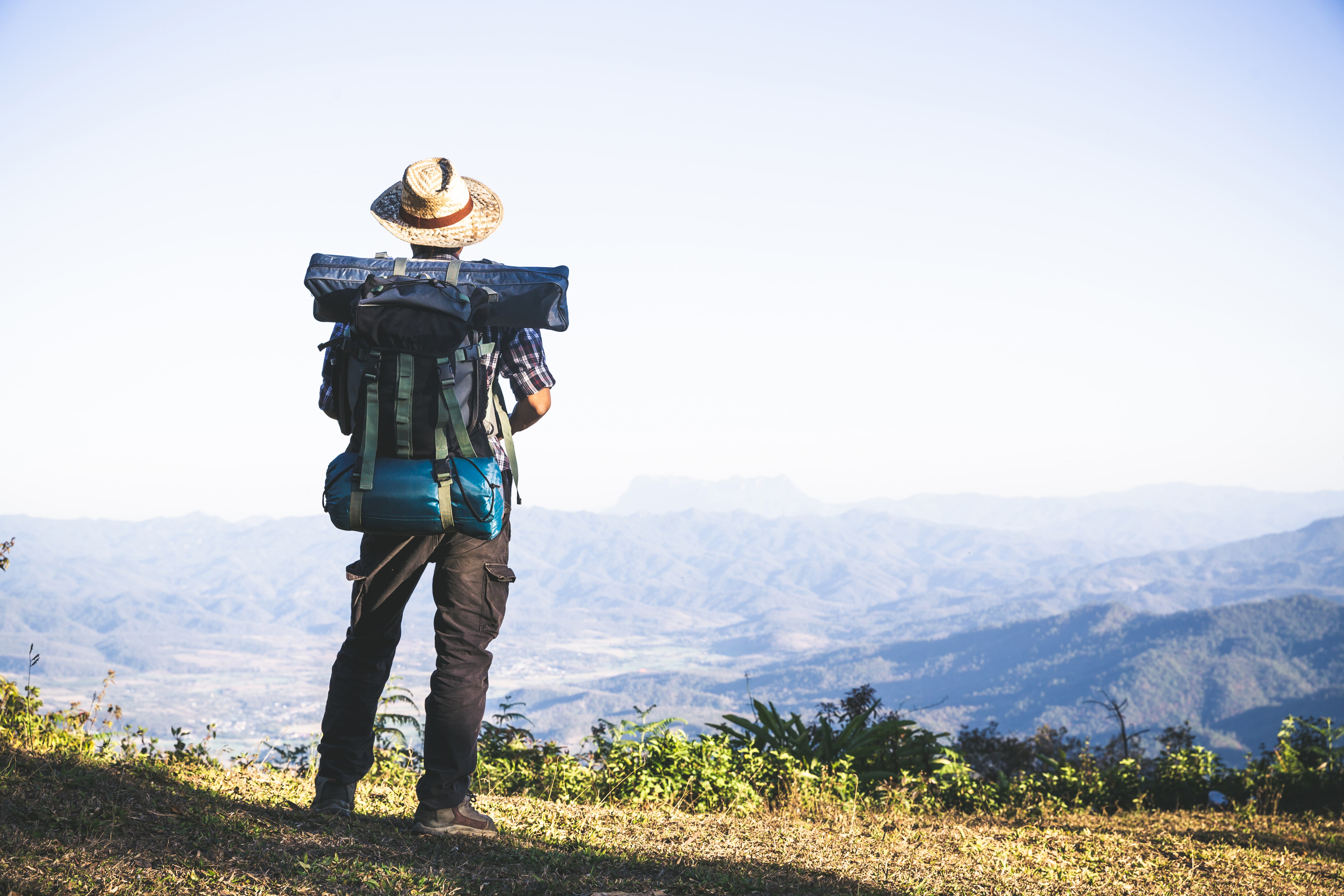
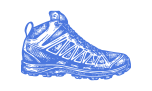
Your outfit will be a major aspect of your outing. Unsuitable clothing for the climate, too bulky or too heavy will turn this pleasant moment into a real ordeal. That's why it is essential to equip yourself efficiently. Choose high-top or semi-high-top Gore-tex shoes. For clothing and textiles, we recommend:
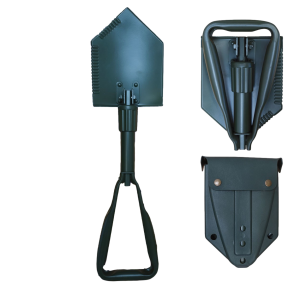
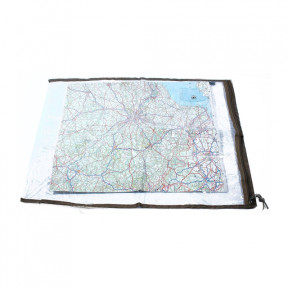
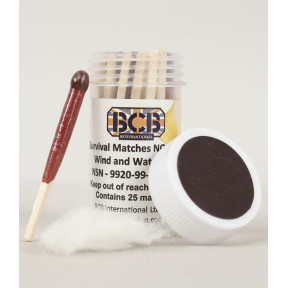
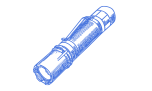
A utility kit will allow you to act in the face of all types of problems. This kit must be within reach so you can act quickly. It is important that it consists of the following items:
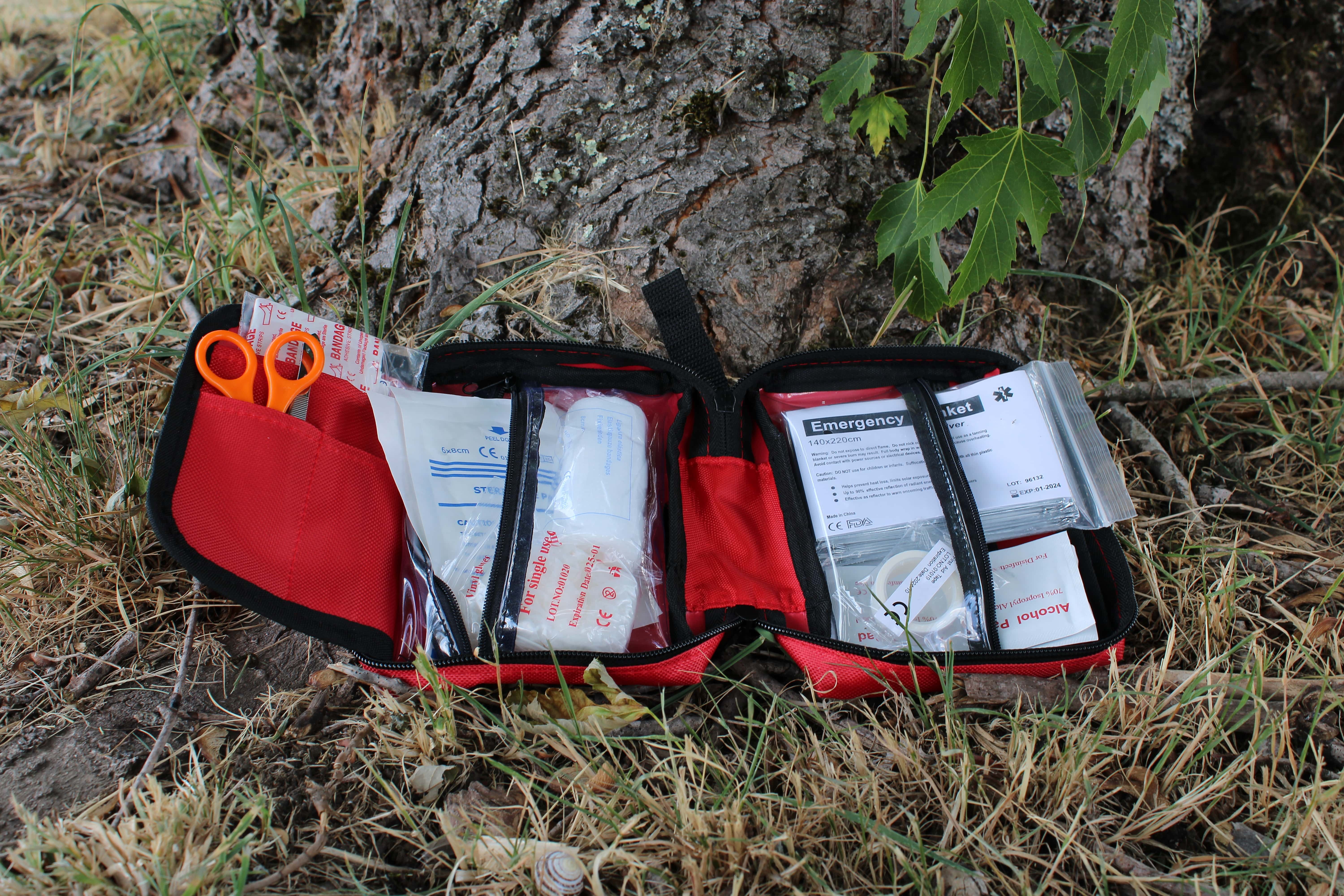
A medical kit will allow you to intervene for first aid care. Be careful, the composition of this depends on each person's knowledge and expertise. As with the utility kit, it is important to keep it accessible. It will contain, as much as possible:
Additionally, it is advisable to always keep equipment on you. If you were to lose your backpack or in case of any other mishap, this equipment would always be with you:
Once your trekking day comes to an end, you must choose the location where you will set up your bivouac for the night and where you will eat.
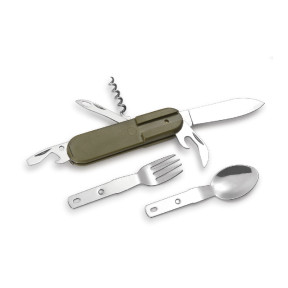
Regarding food, we recommend you plan for:

As for sleeping equipment, this will vary depending on the type of terrain where you will set up your bivouac. As a general rule, it will be necessary to bring:
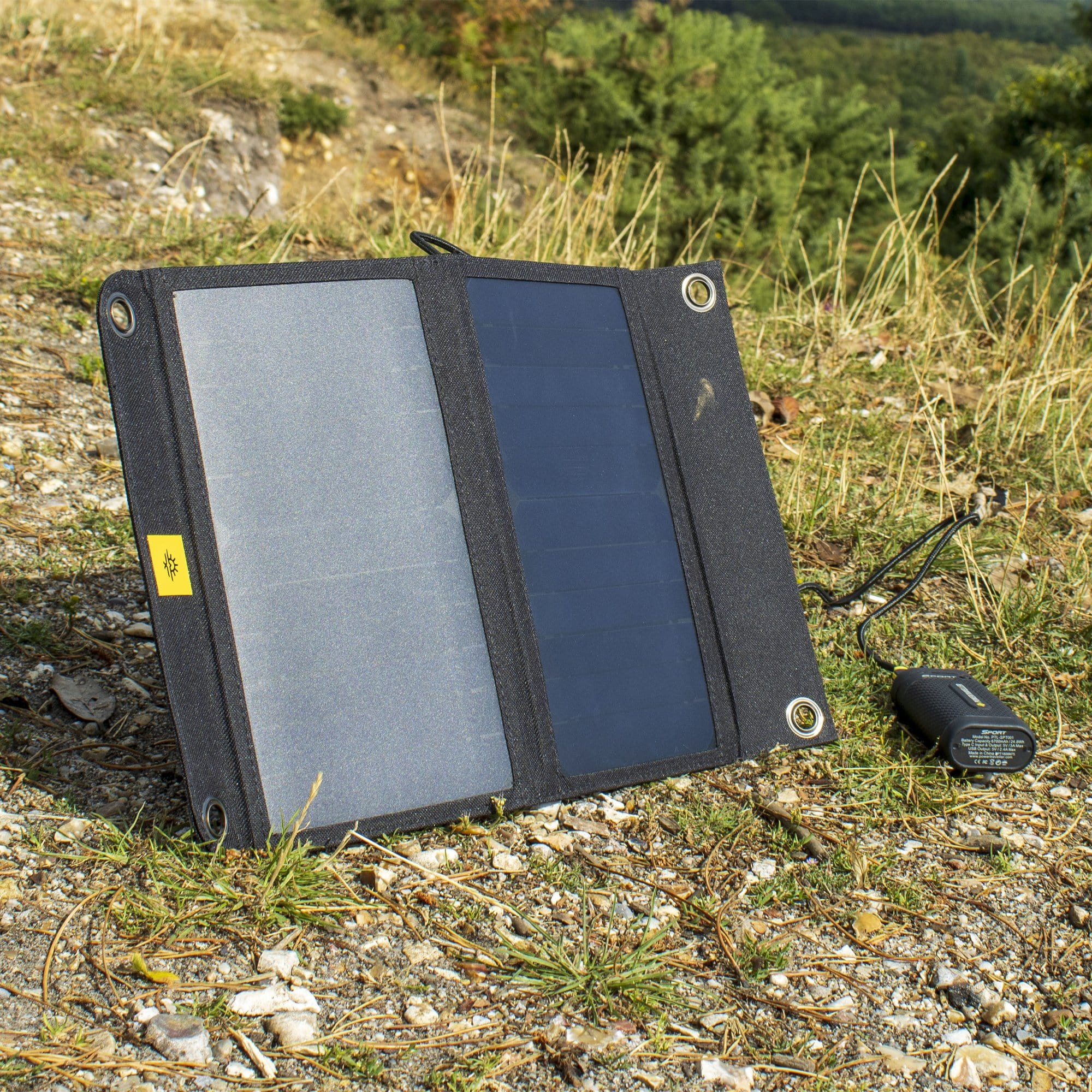
To be able to enjoy your excursion with complete peace of mind, remember to bring a power bank or a portable solar panel like those from the Powertraveller brand.
Moreover, even if you find yourself far from your usual comfort, it is essential not to neglect your hygiene. Remember to bring natural soap or concentrated organic soap, a microfiber towel, a toothbrush and tissues.
If you want to extend the pleasure, bring additional equipment with you. Regarding clothing, don't hesitate to bring 1 to 2 pairs of socks, as well as additional t-shirts and underwear. For food, increase your rations according to the number of days. Don't hesitate to bring trekking poles to facilitate your expedition.
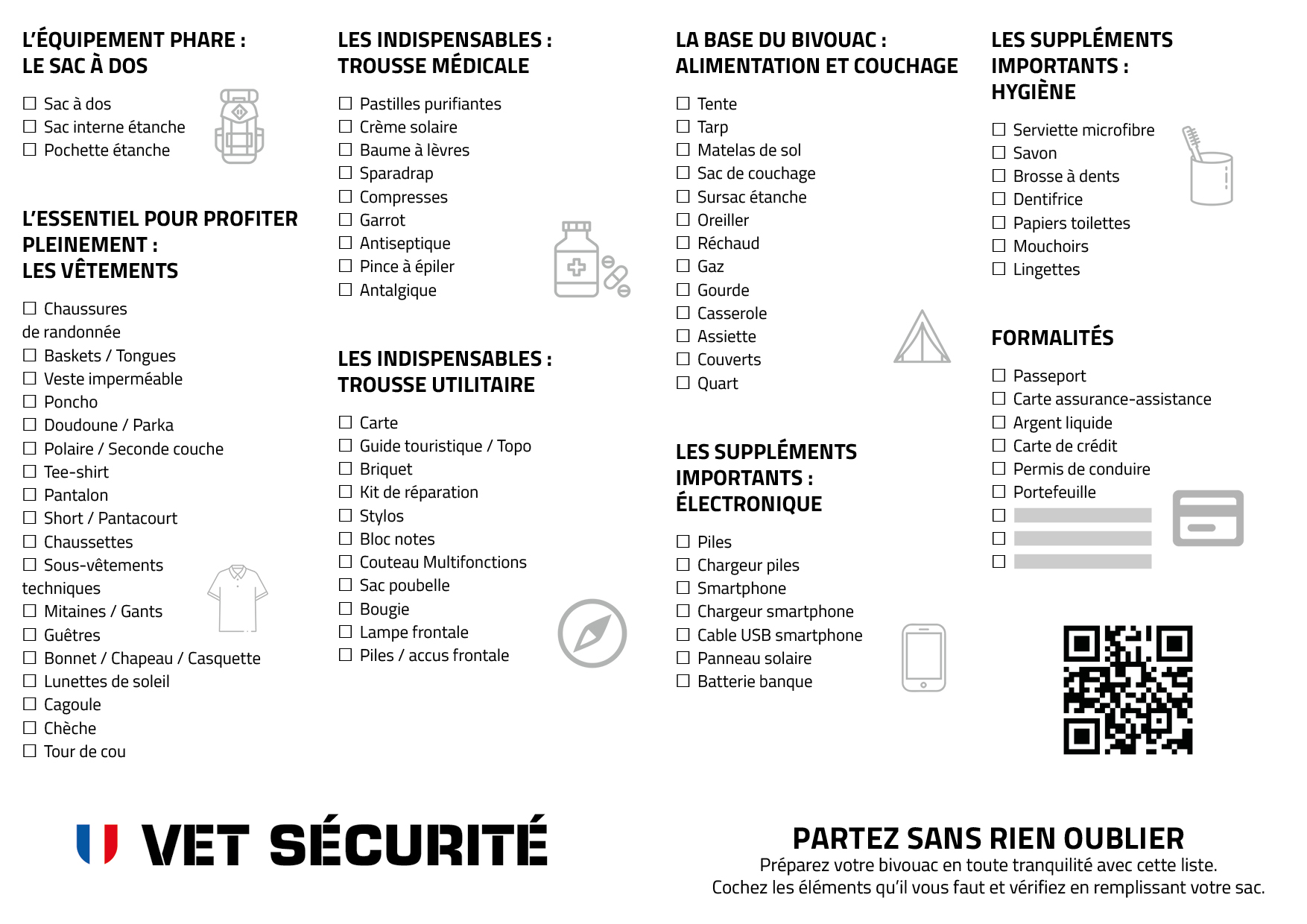
You are now ready to go bivouacking for several nights. To ensure you don't forget anything and to make the task easier, don't hesitate to download our free printable checklist specially designed for you!