 The best equipment for pros and enthusiasts alike
-
 Professions
-
-
-
-
-
-
-
-
All Tops
![All Tops]()
-
-
-
All Bottoms
![All Bottoms]()
-
-
-
All Footwear
![All Footwear]()
-
-
-
All Bags
![All Bags]()
-
-
-
All Accessories
![All Accessories]()
-
-



Summary:
- What is the raid?
- Who are these dogs that serve RAID and the Nation?
- Recruitment
- Dog categories and training
- Outstanding civil servants
What is the Raid?
RAID, defined through the words Research, Assistance, Intervention and Deterrence, is an elite unit of the French National Police created in 1985 and placed under the authority of the Director General of the National Police, currently Frédéric Veaux since January 29, 2020.
The word "raid" also designates a military assault. This unit participates, throughout the entire French territory, through negotiation or intervention, in the fight against all forms of crime, organized crime, terrorism or hostage-taking.
Dogs were integrated into the National Police by Mr. Lépine in 1900.
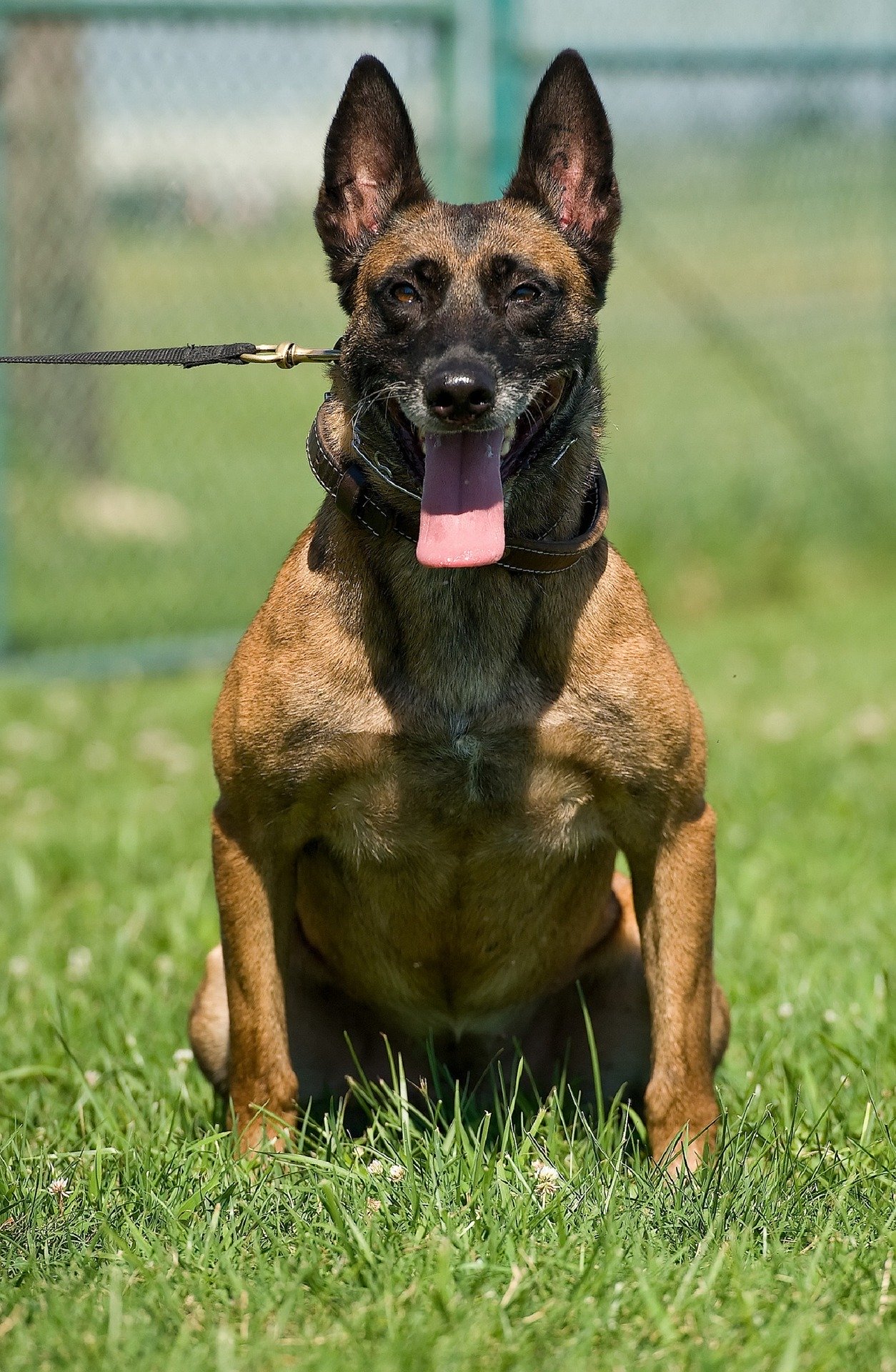
Who are these dogs that serve the Raid and the Nation?
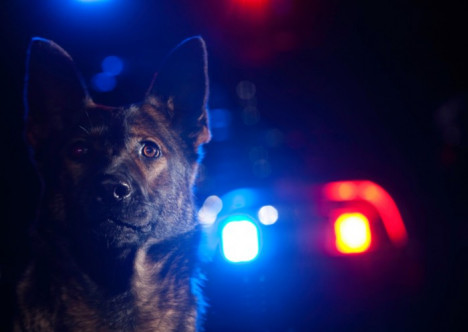
Belgian Malinois Shepherds are the dogs most used by RAID, as they are endowed with qualities perfectly adapted to the missions they must perform. They are courageous, fast, obedient, intelligent (clever-Malinois), powerful thanks to their musculature, agile and have great jumping abilities.
Raid dog recruitment
Dogs are subject to very comprehensive recruitment. First, the National Police selects them at the National Training Center for Army Cynophile Units (132nd RIC) in Suippes.
In the case of RAID, specific canine profiles and qualities are required that these dogs are not always endowed with. This is why RAID also calls upon private beaters, French or European, capable of finding them the perfect dogs.
Malinois can also come from civilian life. Indeed, their masters having abandoned them, they are then recovered by RAID men and veterinarians who put them through a battery of tests and situational exercises, always with men in uniform, so that they get used to the uniform and particularly to the balaclava.

A dog is considered courageous when its aggressiveness overcomes its fear.
Each dog trains with its handler (parachute jumps, rappelling, etc...). There is a desire to create a bond, a real friendship between them. Generally, on missions, men cannot speak, they must then make themselves understood by the dog through gestures, cohesion with the canine is then essential.

Following this recruitment, the dogs of the RAID Canine Brigade are differentiated into two types by a registration number.
Two categories of dogs and their training
-
The assault/patrol/intervention dogs are used to neutralize an overly violent individual, but they are also useful for their highly developed senses such as sight or smell, or when men cannot use appropriate technological means, as effective as the Malinois. In extreme situations, the assault dog constitutes the last resort before using a weapon. These dogs are trained to control and immobilize volunteer RAID men previously protected by fleece suits so they don't feel the bites. During their "bite work", they learn to "grip", in other words to seize the prey with their entire mouth. Biting becomes for them a release, a leisure activity. Thus, there are bite sleeves so that dogs can relax their jaw safely or muzzles, such as those from the Julius K9 brand, offered on our online store for example. Most often, these dogs are assigned for building reconnaissance or for close protection.
-
Explosive detection dogs, on the other hand, follow specialized training in recognizing about forty listed materials. Their training is mainly based on the daily improvement of their sense of smell since they never bite when finding an explosive, which would be far too risky. These dogs also often serve to ensure the security of the President of the Republic.
Outstanding civil servants
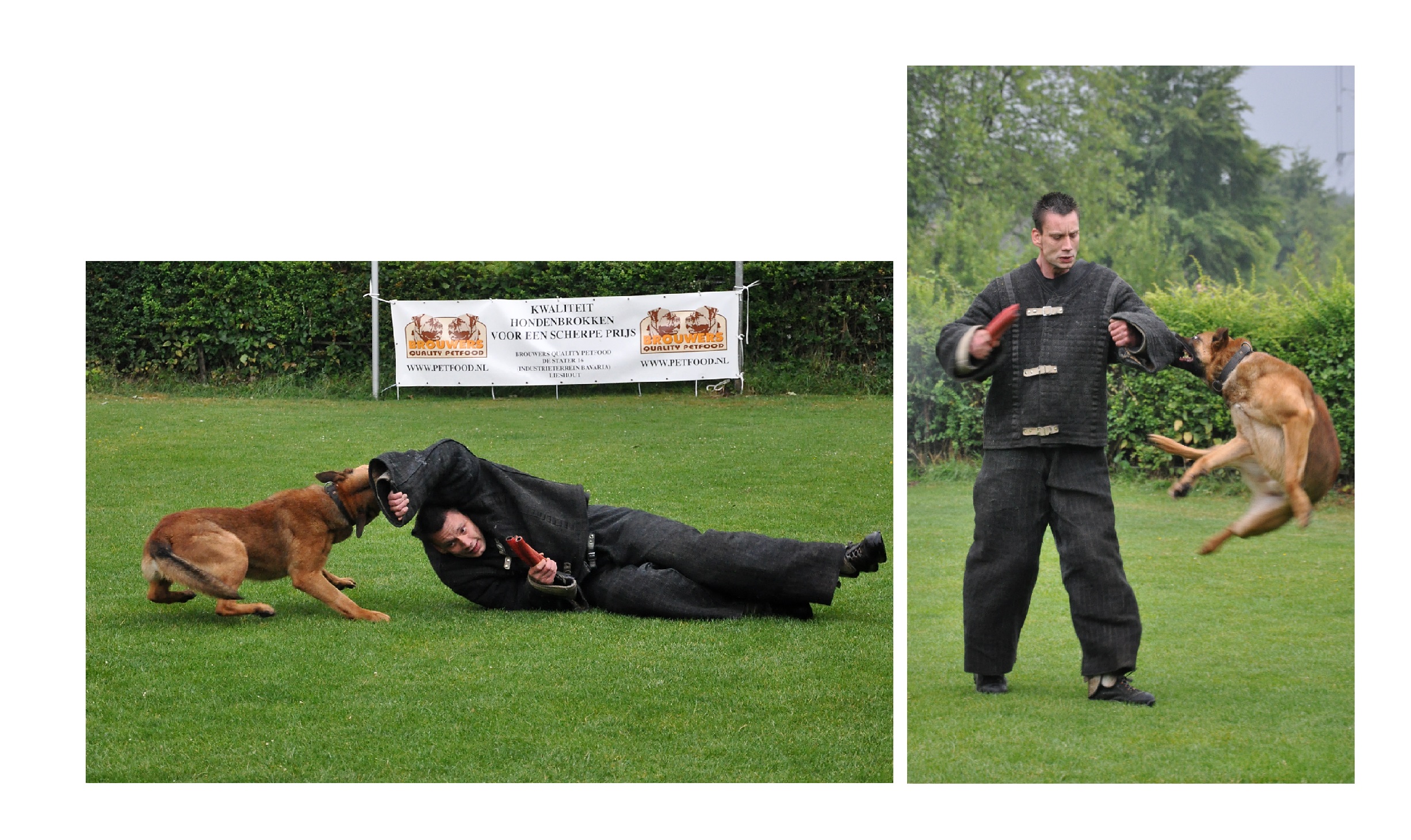
During their lifetime, dogs are more frequently in training than in concrete situations.
However, if necessary, they take all risks and make it possible to save human lives by being very fast and creating surprise, assures the number 1 of RAID. They are a full component of the unit.
The death of the female dog Diesel, on November 18, 2015, during the Saint-Denis assault, had, moreover, created a media wave around the identity of her killer.
Dog handlers are close and affectionate with their dog, but only outside of work in order to always keep their aggressiveness and their courage intact.
From the internal perspective of cynopolice officers (police officers working with a dog), the canines are living beings endowed with sensitivity, who can be seriously injured, who can feel suffering and even die as a result of forceful interventions.
However, it was only on February 17, 2015 that animals were officially recognized by the Civil Code as "living beings endowed with sensitivity".


-
![Over 200 brands At the best price]() Over 200 brands At the best price
Over 200 brands At the best price -
![Secure payment In 3 or 4 interest-free installments]() Secure payment In 3 or 4 interest-free installments
Secure payment In 3 or 4 interest-free installments -
![Delivery across Europe As soon as possible]() Delivery across Europe As soon as possible
Delivery across Europe As soon as possible -
![Customer service Monday to Friday]() Customer service Monday to Friday
Customer service Monday to Friday


