 The best equipment for pros and enthusiasts alike
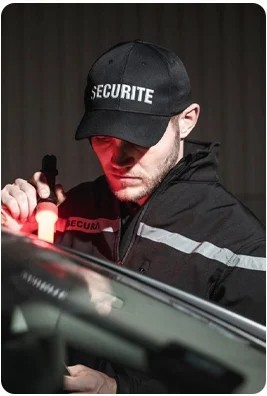

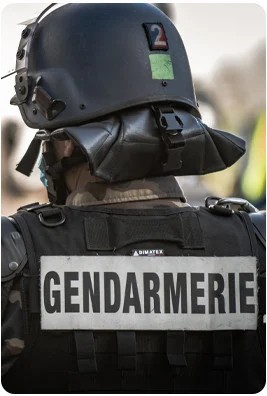
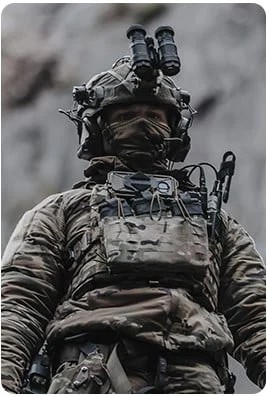






Tomorrow, AI will radically change this reality. Agents will become augmented supervisors, supported by intelligent systems that will handle routine surveillance while they focus on analysis, decision-making and qualified intervention. AI will be their eyes and multiplied ears, processing massive quantities of information to alert them only to what truly matters.
-
 Professions
-
-
-
-
-
-
-
-
All Tops
![All Tops]()
-
-
-
All Bottoms
![All Bottoms]()
-
-
-
All Footwear
![All Footwear]()
-
-
-
All Bags
![All Bags]()
-
-
-
All Accessories
![All Accessories]()
-
-
Le 23 January 2026
The Security Officer of Tomorrow: How AI Will Transform This Profession
In the near future, the security agent profession will undergo a profound transformation. Far from replacing field professionals, artificial intelligence will become their most powerful ally, multiplying their capabilities and allowing them to focus on what they do best: decision-making, human intervention and managing complex situations.
Summary:
- A new role: From watchman to augmented supervisor
- The 4 AI tools serving security agents
- The transformed daily reality: Concrete scenarios
- Skills to develop to remain effective
- What will never change: The importance of the human element
- Conclusion: an enriched profession, not replaced
A new role: From watchman to augmented supervisor
For a long time, the work of security agents consisted of monitoring, patrolling and responding to incidents. They spent hours watching screens, performing repetitive rounds and intervening only once a problem had already occurred.
The 4 AI tools serving security agents
1. The intelligent alert assistant
Agents will no longer need to monitor dozens of screens simultaneously. AI will continuously analyse all video feeds and alert them only when something abnormal occurs:
- Automatic intrusion detection: the system instantly alerts if someone enters a restricted area
- Recognition of suspicious behaviour: AI identifies unusual attitudes (loitering, nervous gestures, suspicious gatherings)
- Personalised alerts: agents receive prioritised notifications on their mobile terminal according to risk level
Interventions will take place before the situation escalates, rather than after the fact.
2. The video surveillance co-pilot
Smart cameras will become the agents' augmented eyes:
- 24/7 surveillance without fatigue: AI continuously analyses footage while agents handle other tasks
- Detection of visual anomalies: missing badge, absent PPE, abandoned objects, smoke or flames
- Automatic tracking: the system follows a suspect from one camera to the next and guides agents during their intervention
Result: agents will never again miss a critical event because they were looking elsewhere at the wrong moment.
3. The risk anticipation system
AI will help agents prevent incidents before they occur:
- Analysis of risk zones: the system identifies the locations and times when incidents are most likely
- Fatigue and stress detection: using sensors, AI identifies individuals in a state of heightened vulnerability
- Crowd forecast: agents will be notified in advance of attendance peaks requiring reinforcement
Patrols can be deployed strategically and staffing needs anticipated.
4. The post-intervention analysis tool
After each incident, AI will assist agents in analysis and reporting:
- Automatic reconstruction of events: AI compiles images, videos and data to precisely reconstruct what happened
- Assisted report writing: the system generates draft reports that agents simply need to validate
- Identification of improvements: AI suggests preventive measures to avoid a similar incident from happening again
Valuable time will be saved on administrative tasks, allowing a focus on the core business.
.jpg)
The transformed daily reality: Concrete scenarios
In a shopping centre
Before AI: The agent monitors 8 camera screens, performs rounds every hour and handles radio calls. Incidents are often discovered too late.
With AI: At 2:23 PM, the agent's terminal vibrates: "Priority 2 alert - Suspicious behaviour detected on level 2, jewellery store". The video displays automatically. The agent sees three individuals who appear to be identifying blind spots. He intervenes discreetly before any theft attempt. The incident is avoided.
On an industrial site
Before AI: The agent manually checks PPE compliance during physical rounds, without being able to be everywhere at once.
With AI: The system sends a notification: "Employee without helmet detected - Zone 3B". The agent immediately intervenes by radio to correct the situation before an accident occurs.
In an Office Building
Before AI: The agent manages access manually and often discovers intrusions after the fact by reviewing recordings.
With AI: At 10:47 PM, alert: "Access attempt with invalid badge - Basement car park door". Cameras automatically track the individual. The agent intervenes within 90 seconds with all the necessary information.
Skills to develop to remain effective
To make the most of these tools, security agents will need to develop new skills:
Technological proficiency
- Knowing how to use connected interfaces and terminals
- Understanding the basics of how AI works in order to better interpret its alerts
- Adapting intervention protocols to new technological capabilities
Analysis and discernment
- Quickly assessing the relevance of alerts (distinguishing genuine threats from false alarms)
- Making informed decisions by combining AI information and human assessment
- Managing multiple streams of information simultaneously
Proactive management
- Anticipating at-risk situations using predictive data
- Organising rounds and interventions strategically
- Effectively coordinating with colleagues via digital tools
Enhanced communication
- Explaining interventions based on objective data provided by AI
- Writing more precise and documented reports
- Reassuring the public about the responsible use of technology
.jpg)
What will never change: The importance of the human element
Despite all these tools, some aspects of the profession will remain irreplaceable:
Human judgment
AI detects anomalies, but it is the agents who assess the context, the actual severity and the best response. A person running could be a fleeing thief or someone trying to catch their bus. Only human judgment makes the difference.
The reassuring presence
No algorithm can replace the physical presence of a caring professional. The agents' ability to reassure, advise and create a climate of trust remains essential.
Physical intervention
When a situation escalates, it is the training, composure and interpersonal skills of agents that will make the difference. AI cannot defuse a conflict or come to the aid of a victim.
Ethics and responsibility
Final decisions, particularly those that affect individual freedoms, must always remain in the hands of agents. They are the guarantors of respect for rights and the ethical use of technology.
Limitations to keep in mind
AI is not infallible
Systems can generate false alerts or miss certain situations. The vigilance and experience of agents remain indispensable to compensate for these limitations.
Training is ongoing
Technologies are evolving rapidly. Security professionals will need to accept regular training to master new tools and protocols.
Respect for privacy
Agents will be on the front line to ensure that surveillance remains proportionate and respectful. Technology must serve security, not fuel abusive surveillance.
Conclusion: A profession enriched, not replaced
Artificial intelligence will not spell the end of the security agent profession. On the contrary, it will evolve it towards greater added value, greater efficiency and greater professional recognition: technology automates routine and repetitive tasks while providing an enhanced capacity for threat detection, video stream analysis and decision-making – a change already underway in the security sector.
Agents will become augmented professionals: freed from time-consuming manual surveillance tasks, they will be able to focus on situation analysis, informed decision-making and qualified human intervention. In this model, AI acts as a decision-support tool capable of processing massive volumes of data in real time, reducing false positives and prioritising alerts according to their risk level.
The future of this profession rests on a synergy between human expertise and intelligent tools: where the machine detects, analyses and reports, the agent intervenes by bringing intuition, judgment and the ability to handle complex situations that AI cannot fully anticipate. This complementarity between humans and intelligent systems is already perceived as an opportunity to improve security standards, rather than a mere replacement of the workforce.
The future of security is collaborative: artificial intelligence brings processing power and continuous analysis, while agents bring judgment, humanity and the capacity for intervention. Together, they will form an unbeatable team for protecting people and property.
Related products

New Standard
-10%


Bulk discounts
VET SECURITE Exclusive
-60%
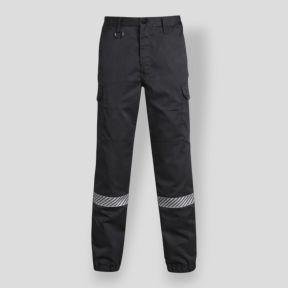
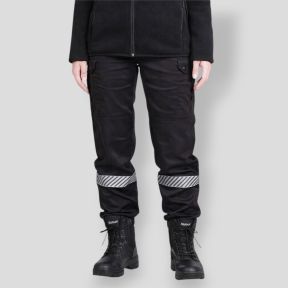
Bulk discounts
VET SECURITE Exclusive
-50%
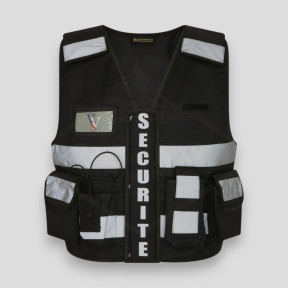
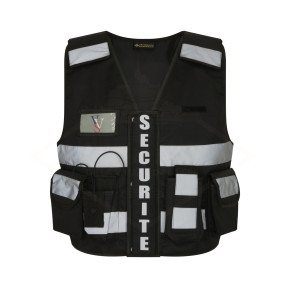
Bulk discounts
New Standard
-5%
Related articles
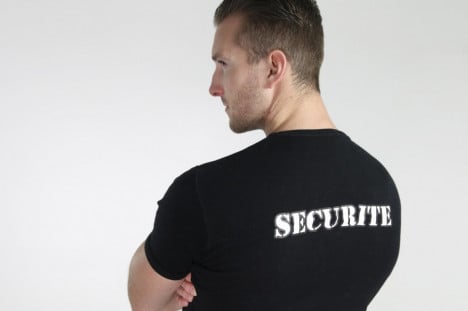
Security agent around an event? Choose your equipment wisely!
Read the article

Security equipment: the details that make the difference!
Read the article

-
![Over 200 brands At the best price]() Over 200 brands At the best price
Over 200 brands At the best price -
![Secure payment In 3 or 4 interest-free installments]() Secure payment In 3 or 4 interest-free installments
Secure payment In 3 or 4 interest-free installments -
![Delivery across Europe As soon as possible]() Delivery across Europe As soon as possible
Delivery across Europe As soon as possible -
![Customer service Monday to Friday]() Customer service Monday to Friday
Customer service Monday to Friday


