 The best equipment for pros and enthusiasts alike




-
 Professions
-
-
-
-
-
-
-
-
All Tops
![All Tops]()
-
-
-
All Bottoms
![All Bottoms]()
-
-
-
All Footwear
![All Footwear]()
-
-
-
All Bags
![All Bags]()
-
-
-
All Accessories
![All Accessories]()
-
-
Choosing the right tent can seem complex given the multitude of available options. Whether you're an occasional camper, a passionate hiker, or an adventurer ready to face extreme conditions, it's essential to find the tent that will perfectly meet your needs. This guide will accompany you step by step through the essential criteria for making the right choice, from the type of structure to the materials used, including capacity, comfort, and much more.
Table of Contents:
- Essential components of a tent
- Tent applications: camping, bivouac, hiking and expedition
- Choosing by season: 2, 3 or 4 season tents
- Tent materials: resistance, protection and waterproofing
The essential components of a tent
A tent consists of several essential elements, each playing a specific role in protection from the elements and in the overall comfort of the camper.
- Rainfly (or outer roof)
The rainfly is the waterproof outer layer of the tent. It is designed to protect against rain, wind, and other weather. Made of polyester or nylon with a waterproof coating, the rainfly prevents water from penetrating inside while allowing condensation to evacuate, thus ensuring a dry interior.
- Inner chamber (or tent body)
The inner chamber constitutes the living and sleeping space. It is often made of lightweight and breathable fabric to promote air circulation and reduce condensation. Some chambers are partially or completely mesh, offering maximum ventilation while protecting from insects. The design varies, ranging from simple shelters to more spacious areas with multiple compartments.
- Poles (or stakes)
Poles are the structures that support the tent. They can be made of aluminum, fiberglass, or carbon, offering different levels of lightness, flexibility, and resistance. Their role is to keep the tent in position, giving it its shape and ensuring its stability against wind and weather.
- Footprint (or tent floor)
The footprint is the lower layer of the tent, often made of resistant and waterproof material. It protects the interior from moisture coming from the ground and from sharp objects that could pierce the fabric. For more extreme conditions, some campers add an additional tarp under the tent for increased protection.
- Ventilation system
Ventilation is crucial to avoid condensation inside the tent. Most tents are equipped with vents located at the top or on the sides, which allow air to circulate freely. Some high-end tents offer adjustable ventilation systems to adapt to weather conditions.
- Attachment system (stakes, guy lines, hooks)
Stakes, guy lines and hooks are the accessories that secure the tent to the ground. Stakes are driven into the ground to keep the tent in place, while guy lines, tensioned ropes, ensure stability by anchoring the tent against wind. Hooks facilitate quick assembly by connecting the rainfly and inner chamber to the poles.
Each component of the tent plays a crucial role in the overall performance and safety of your shelter, so it's important to choose a tent whose construction meets your specific camping needs.

Tent applications: camping, bivouac, hiking and expedition
Tents are versatile shelters designed to adapt to various types of outdoor activities. Here is an overview of the main uses of tents depending on the context.
- Camping
Camping is generally done in developed areas, such as campgrounds or national parks. Camping tents are often larger and more comfortable, offering spaces for multiple people as well as compartments for storage. They prioritize comfort with resistant materials, good ceiling height, and sometimes even vestibules for storing equipment or cooking. This type of tent is ideal for extended stays or family outings.
- Bivouac
Bivouacking consists of camping temporarily, often for a single night, in undeveloped locations. Tents used for bivouacking are generally lightweight, easy to set up and take down, while offering essential protection against weather. They must be compact to be transported easily, but sturdy enough to face variable weather conditions. These tents are perfect for adventurers who prefer mobility and total immersion in nature.
- Hiking
During hikes, the weight and compactness of the tent are crucial, as hikers often have to carry their equipment over long distances. Hiking tents are therefore ultra-lightweight, often designed for one or two people, and offer an excellent compromise between protection, comfort, and weight. They are quick to set up and take down, allowing hikers to rest easily after a day of walking. These tents are ideal for multi-day hikes, where every gram counts.
- Expedition
Expedition tents are designed for extreme environments, such as high mountains, deserts, or polar regions. They are built with high-quality materials to resist the most severe conditions, such as violent winds, snowstorms, or extremely low temperatures. These tents are often heavier due to their reinforced structure and advanced features, such as thicker rainflies, additional poles for stability, and sophisticated ventilation systems. They are indispensable for mountaineers and explorers who face the harshest environments.
Choosing by season: 2, 3 or 4 season tents
The choice of your tent's seasonality depends on the climatic conditions in which you plan to camp.
- 2-Season Tents
Designed for summer camping, 2-season tents are lightweight and well-ventilated, perfect for mild temperatures and moderate weather conditions. However, they offer limited protection against weather and are not suitable for difficult conditions. - 3-Season Tents
3-season tents are the most versatile, ideal for spring, summer, and fall. They offer a good balance between weather protection, ventilation, and weight. They resist rain, moderate wind, and cool temperatures, but are not designed to support snow or extreme winter conditions. - 4-Season Tents
Designed to withstand the most rigorous conditions, 4-season tents are robust and well-insulated. They resist violent winds, heavy snowfall, and freezing temperatures. Their reinforced structure and increased protection make them the ideal choice for high mountain expeditions or winter adventures. However, they are generally heavier and less ventilated, which can make their use less comfortable in hot weather.
The different tent shapes
There are several tent shapes, each adapted to a particular use:
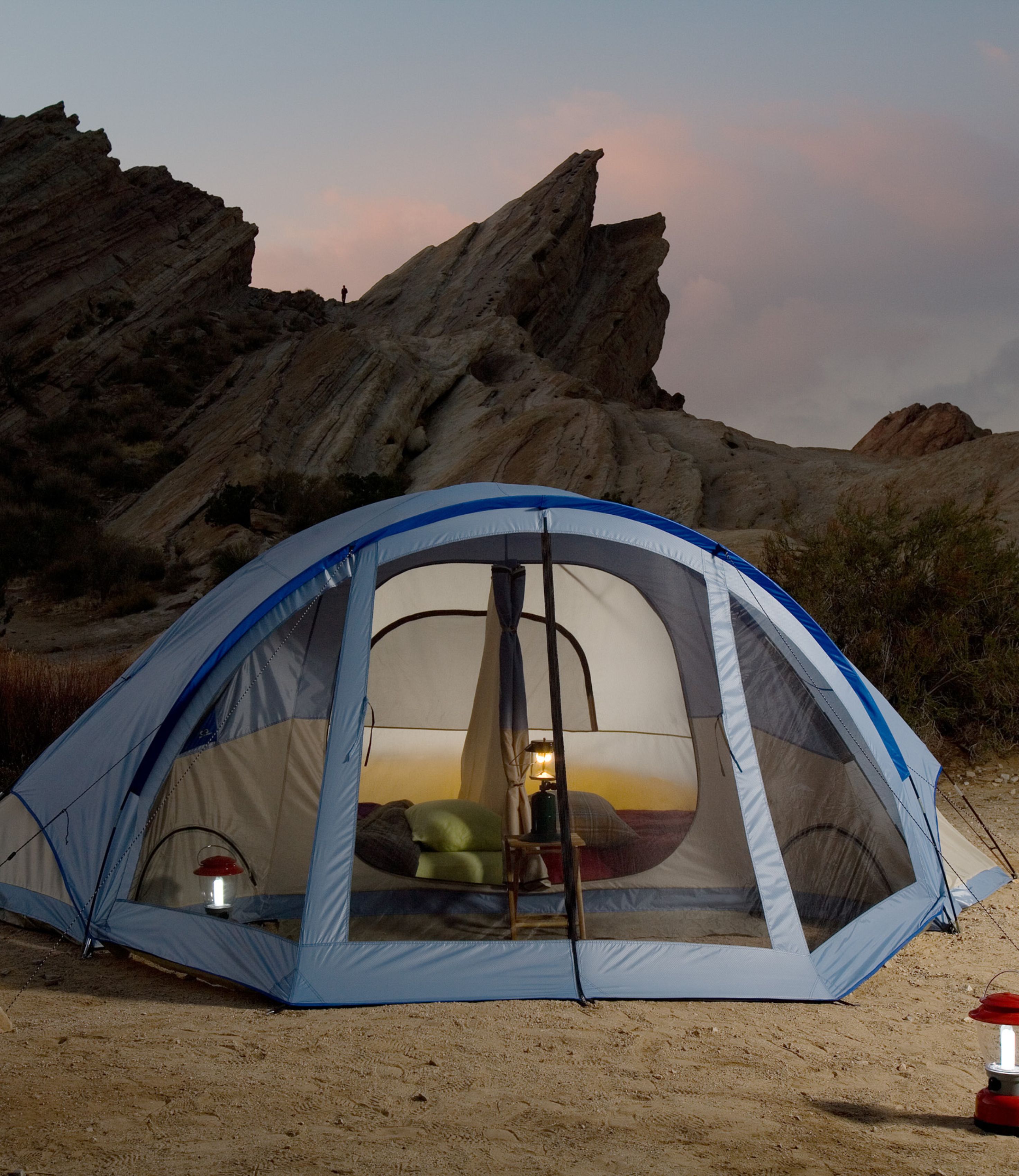
- Dome tent: Shaped like a half-sphere, these tents are popular for camping. They are easy to set up and offer good wind resistance.
- Tunnel tent: Elongated, this tent offers more interior space, ideal for families or groups. It is also quite lightweight for trekking.
- Geodesic tent: This shape is similar to the dome tent but with more crossed poles, making it extremely stable, even in difficult weather conditions.
- Pyramid tent (or Tipi): Resembling a pyramid or tipi, this tent has a single central pole. It is spacious and often used for large groups or traditional activities.
- A-frame tent: Traditional, it resembles a capital "A" when set up. It is simple but offers less interior space compared to other shapes.
Types of tent structures
The tent structure determines its robustness and ease of setup:
- Inflatable
Uses air tubes to replace traditional poles. The tent stands upright thanks to inflatable tubes, which are filled with air using a pump.
- Poles
Structure based on poles made from materials such as aluminum, fiberglass, carbon, or composite fibers. These poles are flexible and bend to form the tent structure.
- Masts
Structure using steel or aluminum masts, frequently used for tipi-type tents or for tarps. The masts provide central or lateral support.
- Hiking poles
Minimalist structure where hiking poles are used as the main support to set up the tent or shelter. This type of structure is often used to reduce weight and bulk in ultralight configurations.
Tent materials: resistance, protection and waterproofing
The materials used for tents play a crucial role in terms of strength, protection against the elements, and waterproofing. Here is an overview of commonly used materials, focusing on their characteristics related to strength, protection, and waterproofing:
-
Nylon:
- Strength: Nylon is lightweight and wear-resistant, particularly when reinforced by ripstop weaving, which prevents tears from spreading.
- Protection: It offers good protection against wind and cold, while being flexible.
- Waterproofing: Nylon can be treated with a polyurethane (PU) or silicone coating to improve its waterproofing. Silicone treatment also makes it more resistant to UV rays.
-
Polyester:
- Strength: Less resistant than nylon at equal weight, but it resists UV rays better, making it less susceptible to sun degradation.
- Protection: Provides good protection against weather, and does not deform when wet.
- Waterproofing: Often coated with PU or silicone to ensure good waterproofing, with treatments that vary according to material quality.
-
Polyethylene:
- Strength: Very robust material, often used for footprints, due to its resistance to wear and puncture.
- Protection: It is thick and offers an excellent barrier against moisture and uneven ground.
- Waterproofing: Highly waterproof, it generally does not require additional treatment.
-
Cotton (or cotton canvas):
- Strength: Very durable and robust material, particularly in dry conditions. It resists abrasion well.
- Protection: Offers excellent protection against the elements, regulating interior temperature well and being very breathable.
- Waterproofing: Naturally absorbent, cotton becomes more waterproof as it absorbs water and the fibers swell, but it remains less waterproof than synthetic materials and may require waterproofing treatment.
-
PVC (Polyvinyl chloride):
- Strength: Very robust, but also heavy. Often used for event or industrial tents.
- Protection: Offers maximum protection against weather, being totally waterproof and windproof.
- Waterproofing: Completely waterproof, often used for tent floor coverings or tent tarps.
-
Gore-Tex and other breathable membranes:
- Strength: Used mainly for high-performance tents, these materials are robust while being lightweight.
- Protection: Designed to be breathable while protecting from water, it is used in mountaineering tents where internal moisture management is crucial.
- Waterproofing: Waterproof while allowing breathing, thus avoiding condensation inside the tent.
Each material presents trade-offs between weight, durability, weather protection and cost. The choice will depend on the conditions in which the tent will be used and specific performance priorities.
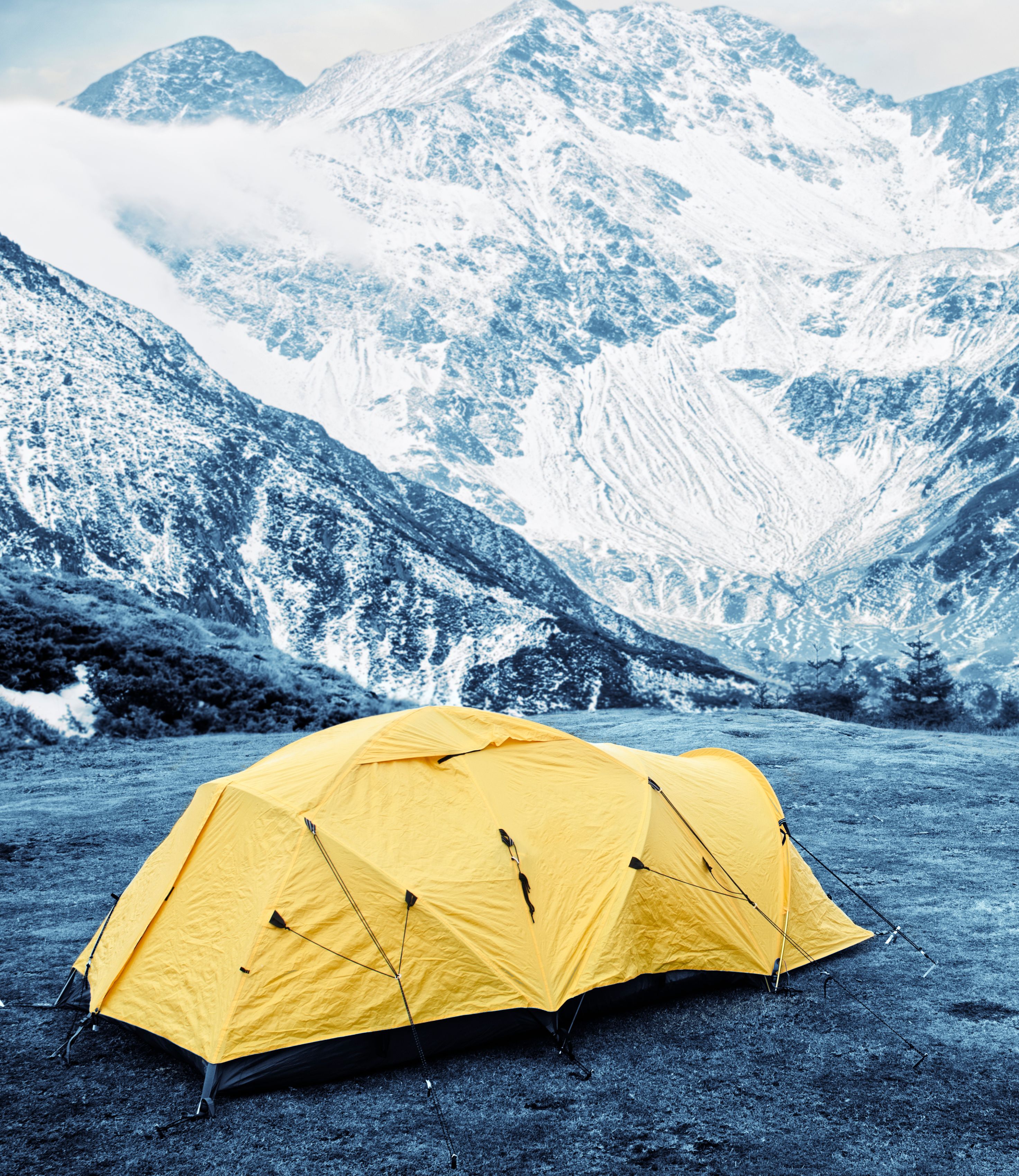
Tent ventilation systems
Ventilation is a crucial aspect in tent design, as it affects interior comfort by regulating temperature and minimizing condensation. Here are the common ventilation elements in tents:
-
Ventilation openings (vents):
- Description: Small openings generally located at the top of the walls or on the tent roof. They are often equipped with flaps that can be opened or closed as needed.
- Function: Promote air circulation by allowing hot and humid air to escape, thus reducing condensation inside the tent.
-
Mesh screens:
- Description: Fine mesh panels are often integrated into doors, windows, and sometimes tent walls.
- Function: Allow maximum ventilation while preventing insects from entering. They are essential for maintaining good air circulation, especially in hot weather.
-
Vestibules and apses:
- Description: Covered areas at the tent entrance, often separated by a mesh screen.
- Function: These spaces can be left open to improve ventilation without compromising protection against weather. They allow air to circulate around the main tent.
-
Rainfly (or outer fly) with air space:
- Description: Most tents have a rainfly that stretches above the main tent, leaving an air space between the two.
- Function: This space allows air to circulate freely, helping to evacuate moisture and keep the tent interior cooler. The rainfly also protects against rain while allowing ventilation.
-
Adjustable ventilation panels:
- Description: Some tent models allow you to adjust the size of ventilation openings or lift the edges of the rainfly to increase or decrease air circulation.
- Function: Offer flexibility to adapt ventilation according to weather conditions, maintaining a balance between ventilation and protection against the elements.
-
Dome structure design with cross ventilation:
- Description: The dome shape and strategically positioned openings allow natural ventilation through the tent.
- Function: Promotes cross ventilation, where air enters through one opening and exits through another, cooling the tent interior and reducing condensation.
Good ventilation is essential to maintain a comfortable interior environment, especially in humid conditions or hot weather. When selecting a tent, it is important to consider how these ventilation elements are integrated to meet your specific needs.
Conclusion
Choosing the right tent is essential to guarantee a pleasant and safe camping experience, regardless of the type of activity or weather conditions. By taking into account important criteria such as materials, seasonality, structure, and the ventilation system, you can find a tent adapted to your needs, whether you're an occasional camper or a seasoned adventurer.
This guide has allowed you to understand the different aspects to consider when selecting a tent, whether it's about its essential components, its specific use, or the climatic conditions it must face. Investing in a quality tent that meets your expectations will allow you to fully enjoy your outdoor adventures, while ensuring comfort and safety at every stage of your stay.
Related products
-15%
-15%
Related articles

4 unknown accessories to ensure you don't miss out on your next bivouac
Read the article


-
![Over 200 brands At the best price]() Over 200 brands At the best price
Over 200 brands At the best price -
![Secure payment In 3 or 4 interest-free installments]() Secure payment In 3 or 4 interest-free installments
Secure payment In 3 or 4 interest-free installments -
![Delivery across Europe As soon as possible]() Delivery across Europe As soon as possible
Delivery across Europe As soon as possible -
![Customer service Monday to Friday]() Customer service Monday to Friday
Customer service Monday to Friday


