Defense dogs are specially trained to protect their owner and their property. Their main role is to ensure security and deterrence in case of intrusion or attack. In this article, we will address the characteristics specific to this type of dog, how to differentiate them, but also the adoption formalities.
Summary:
- Defense dog characteristics
- Categorized dogs suitable for the K-9 handler profession
- Molossoid-type breeds
- Other breeds
- Adoption formalities
- Conclusion
Defense dog characteristics
Defense dogs, renowned for their intelligence, bravery and obedience, play an essential role in protecting individuals and their property. Trained to react effectively to threats, these dogs ensure:
- The protection of their owners, but also of their property.
- Home or sensitive area surveillance.
- Constant vigilance, even in case of power failure, unlike surveillance devices.
Defense dog training constitutes a specialized discipline, aimed at preparing them to act appropriately in emergency situations. These animals undergo rigorous training and medical examinations to guarantee their aptitude. This meticulous preparation is essential to ensure their effectiveness and safety.
A good defense dog is essentially determined based on your specific needs and the context in which it will operate. Whether you live in an apartment, an isolated house or a subdivision, your security requirements can vary considerably.
Whatever your needs, the ideal defense dog should be sociable, affectionate, loyal, physically robust and capable of reacting with discernment. Your dog's training must be adapted to your living environment.
It is crucial that your guard and defense dog be raised and trained in a way that respects the family hierarchy, recognizing that children, even the youngest ones, occupy a superior position in the house.
For a K-9 handler, having a defense dog presents several advantages:
- Personal protection: A well-trained defense dog can ensure the personal safety of its owner by protecting them against potential threats.
- Property protection: The dog can protect the owner's property against intruders or thieves, deterring burglary or vandalism attempts.
- Sense of security: The presence of a defense dog can give the owner peace of mind knowing they have a faithful companion to protect them.
- Faithful companion: Besides its defense capabilities, the defense dog is also a loyal and affectionate companion for its owner.
- Surveillance assistance: The defense dog can help monitor the surroundings and signal any suspicious activity, thus providing an additional layer of security.
- Self-confidence: Knowing that one has a partner capable of responding to potentially dangerous situations can strengthen the K-9 handler's self-confidence.
- Emergency intervention: In case of emergency or danger, the defense dog can act quickly to protect its owner or intervene when needed.
Categorized dogs suitable for the K-9 handler profession
Choosing the right dog breed is crucial for practicing the K-9 handler profession. Certain breeds possess innate characteristics that make them well-suited for security work. Here are some breeds commonly selected for security and protection roles. There are categories of dogs based on their dangerousness:
- First category: Attack dogs, considered the most dangerous, include breeds like the American Staffordshire or the Mastiff.
- Second category: Guard or defense dogs, perceived as having controlled dangerousness, include breeds like the Tosa or the Rottweiler.

Tossa breed dog
Molossoid-type breeds
Molossoid-type dogs are often the first choices when it comes to choosing a guard dog. Their imposing physique and deterrent reputation make them effective guardians while remaining gentle and affectionate companions for their family.
- The Rottweiler: Known for its strength, courage and protective nature, it is an excellent guard dog, it is very protective towards its family and does not hesitate to interpose itself between its loved ones and an intruder. This dog is perfectly suited to tasks such as perimeter patrol, asset protection and crowd control.
- The Cane Corso: Large and very imposing, it is also very protective and attached to its family. It is often used in security missions requiring deterrence and protection.
- American Staffordshire Terrier: Also known as Amstaff, it is gentle and playful with its family despite its sometimes controversial reputation.
- The Dogue de Bordeaux: Less athletic, but formidable, it frightens intruders thanks to its imposing appearance.
- The Boxer: Playful and friendly, it possesses a developed guardian instinct and great jaw strength. Although it may be less common in security roles, it is nevertheless appreciated for its strength, agility and innate protection.
Other breeds
Besides molossoids, other lupoid-type dog breeds are also renowned for their ability to protect their home, particularly among shepherd dogs:
- The German Shepherd: Renowned for their intelligence, loyalty and versatility, this dog is a widespread choice in the K-9 handler profession. Very deterrent and close to its family, it is very attentive to its owners. This dog is ideal for various security tasks, such as patrol work, apprehension and scent detection.
- The Beauceron: Of French origin, it is endowed with a strong stature and great intelligence. It is appreciated for its devotion to its owner and its ability to protect its territory. It possesses a loyal temperament and makes it an excellent dog for security missions requiring vigilance and firmness.
- The White Swiss Shepherd: Known for its beauty and gentleness, it is also an excellent working dog. Its natural calm and loyalty to its owner make it a reliable security companion.
- The Dutch Shepherd: Endowed with keen intelligence, this dog is increasingly recognized for its aptitude for security roles. Easy to train, it nevertheless requires a lot of exercise, but has a real ability to work under pressure.
- The Belgian Malinois Shepherd: Similar to German Shepherds in many ways, this dog is also known for its agility, endurance and unwavering concentration. Deterrent and easy to train, it also requires a lot of time and energy, making it a perfect dog for demanding security missions.
The term "lupoid" refers to dogs resembling wolves, whether in their physical appearance or in their behavioral traits. Lupoid-type dogs often present physical characteristics such as a slender silhouette, pointed ears, an elongated muzzle and almond-shaped eyes.
Finally, other guard dog breeds, such as the Doberman or the Great Dane, are not shepherds, but are also very effective at ensuring home security.
.jpg)
K-9 handler: how to choose a defense dog?
Come discover our K-9 handler clothing and equipment on our online store.
Click here
Other dog breeds can be used for defense like certain types of graïoid, also known as greyhounds. They are distinguished by their specific anatomical characteristics adapted for running.
- The Pharaoh Hound, although primarily raised as a companion and family dog, can also play a role in home defense. However, it is essential to note that the Pharaoh Hound is generally more reserved and wary of strangers rather than directly aggressive. Their natural instinct is to protect their family and their territory by barking to signal an intrusion or potential danger. They can deter intruders through their alert appearance and barking, but they are generally not considered aggressive defense dogs like certain other breeds.

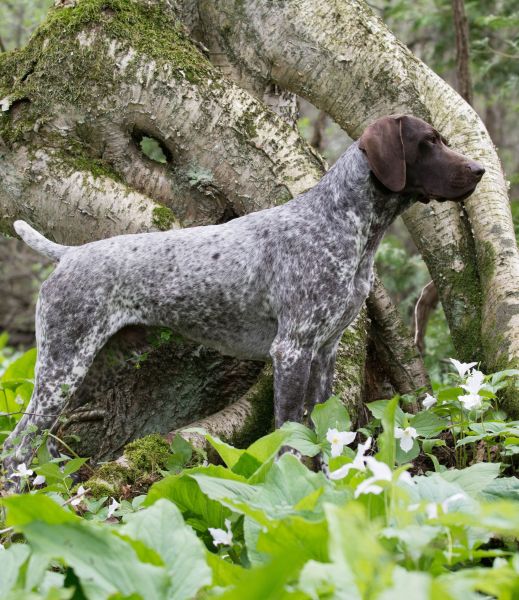
Braccoid-type dogs can also meet defense dog criteria like the pointer. They are characterized by a long, square muzzle and drooping ears.
- Although the Pointer is not generally raised to be a defense dog in the traditional sense of the term, it can show qualities of vigilance and protection towards its family and its home. Its natural protective instinct combined with its loyalty to its owners can make it a good alert dog to signal the presence of intruders or potential dangers.
However, it is important to note that the Pointer is not an aggressive dog by nature and may require specific training to channel its protective instincts appropriately.
Adopting a defense dog involves certain formalities, particularly for 2nd category dogs (guard and defense dogs). General conditions include:
- Being of legal age.
- Possess a certificate of aptitude for owning a defense dog.
- Not having any criminal or misdemeanor convictions.
- Subscribe to liability insurance.
To guarantee your family's safety, it is crucial to choose a defense and attack dog breed that matches your personality and lifestyle. The breeds mentioned previously are just a few examples among others, as many other breeds can also effectively fulfill the role of defense dog with adequate training.
A good guard dog must also be deeply attached and affectionate towards your family, whether towards adults or children.
Conclusion
Owning a guard dog presents numerous concrete advantages. For example, they deter burglars, alert in case of intrusion, offer a reassuring presence, and can even save lives by detecting dangerous situations, such as fires or domestic accidents. Moreover, their protective instinct reinforces the sense of security among family members, while providing faithful and comforting companionship.
 The best equipment for pros and enthusiasts alike





 Professions