The best equipment for pros and enthusiasts alike






Best
 Professions
The Observation and Surveillance Group (GOS) of the National Gendarmerie is an elite unit specialized in surveillance, observation, tailing and intervention. Composed of highly qualified gendarmes, this unit carries out essential missions for national security. Let's discover together how to join a GOS.
Summary:
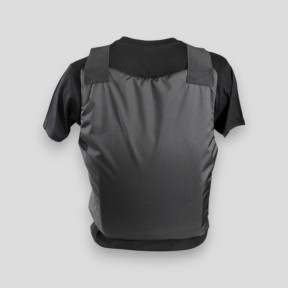
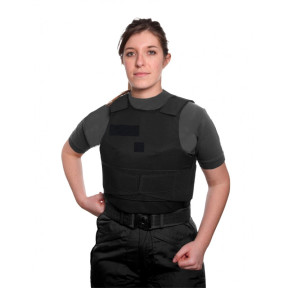
Unlike their colleagues from other units, GOS gendarmes must blend into the crowd to carry out their missions. They are therefore most often in civilian clothes. They therefore generally choose equipment for discreet carry (holster, bulletproof vest...). Like clothing, their vehicles are most often civilian. They benefit from high-tech electronic equipment to be able to carry out their various missions: discreet cameras, microphones, cameras, listening and surveillance systems, etc.
On vetsecurite.com, we offer a wide selection of clothing, shoes/boots, equipment, materials, medals and decorations for gendarmes. The biggest brands are available at unbeatable prices. You also have 30 days to change your mind thanks to our free returns policy.

Among the missions of the observation and surveillance group (GOS), we find:
Observation;
Surveillance;
Tailing;
Intelligence gathering;
Apprehension in open environments.
The objective of a GOS gendarme is therefore to help investigators accumulate concrete evidence that will allow them to solve cases as varied as arms trafficking, drug trafficking, itinerant delinquency, terrorism or organized crime. To obtain this essential information, gendarmes from this unit can install listening systems, cameras, tag a vehicle. They may also be required to tail one or more individuals for several days or weeks to learn more about their environment, their habits, their associates. The intelligence thus obtained can serve to advance investigations conducted by Research Units: Research Brigade (BR) or Research Section (SR). Conversely, the Observation and Surveillance Group cannot carry out home arrests.
The working conditions within the GOS are demanding. You must be ready to work in varied environments, sometimes hostile. Availability, physical resistance and courage are necessary qualities to face the challenges you will encounter. Operations can last several days, requiring great endurance. The increase in the number of GOS units in France helps limit the number of deployments to just a few weeks per year. However, schedules are often irregular. Indeed, tailing and intelligence gathering can just as well be carried out early in the morning, during the day or in the middle of the night depending on the needs of the investigation and the habits of the people being followed.
To hope to join an Observation and Surveillance Group, one must already serve in the ranks of the Gendarmerie and have several years of service under their belt. More than technical skills, this type of unit is primarily looking for "profiles" that will meet operational needs. The conditions are therefore likely to vary from year to year.
The selection tests are always demanding. They generally take place over a week and only the best candidates will be selected after being put through rigorous trials, chaining exercises day and night. The instructors will test the physical and mental limits of candidates to evaluate their capacity for adaptation, their reactivity and especially their resilience.
Once selected, candidates join a GOS and complete several training courses that will train them for their future profession. Depending on operational needs and their profiles, they will not all follow the same training. Some gendarmes may specialize in tailing and take driving courses for example, while others will specialize in placing beacons or using telephone interception equipment. Whatever training courses are completed, the training of a GOS gendarme is always thorough, matching the tasks they will have to accomplish.
The selection to join a GOS is such that, very often, a gendarme who has succeeded in joining one of these units will spend the vast majority of their career there. Obviously, they can decide to change specialties, but most often, career development prospects will lead them to move up in rank and grade within the Observation and Surveillance Group itself.
The salary of gendarmes in the Observation and Surveillance Group is aligned with that of gendarmes, with specific bonuses for high-risk missions. The salary varies according to rank (seniority), grade, qualifications and bonuses received. It is however important to note that commitment within the GOS is usually motivated by passion and the desire to serve the nation, rather than by financial considerations.
Joining the Observation and Surveillance Group of the National Gendarmerie is a major challenge, but a rewarding career for those who are ready to take on this challenge. The rigorous training, varied missions and the feeling of contributing to national security make it an attractive career option for the most determined and competent gendarmes. If you dream of becoming a member of the GOS, prepare for demanding trials, but know that you are part of an elite unit dedicated to protecting France.