The best equipment for pros and enthusiasts alike



 Professions
The profession of dog handler in the gendarmerie is much more than just a job, it's a vocation. The canine teams of the Gendarmerie combine professional competence and dedication through the unique bond that unites them with their faithful four-legged companions. Let's discover together all the fascinating aspects of this profession.
Summary:
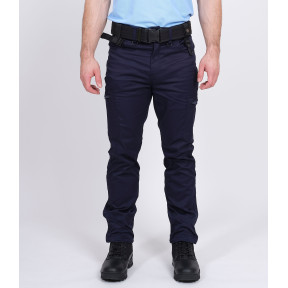
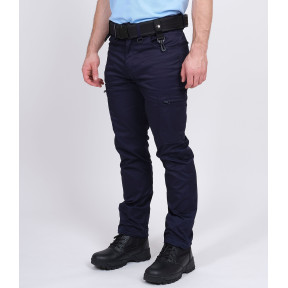
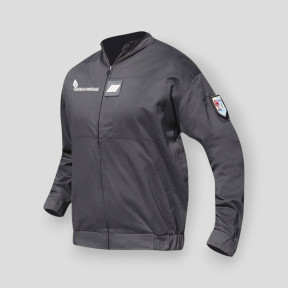
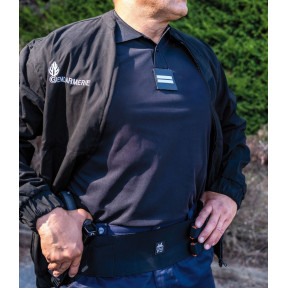
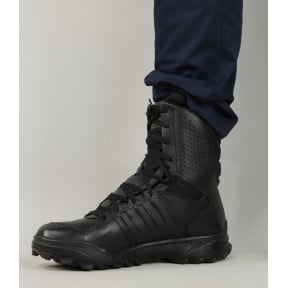
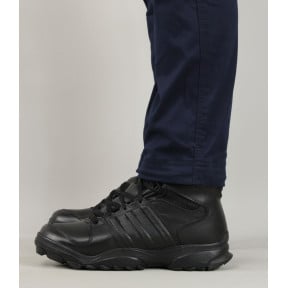
Gendarmerie dog handlers work in a demanding environment that requires appropriate equipment. Their uniform is designed to guarantee both their safety and that of their precious canine partners. They generally wear the classic blue uniform of the gendarme consisting of tear-resistant pants, a softshell jacket, a Gendarmerie polo shirt as well as comfortable intervention shoes.
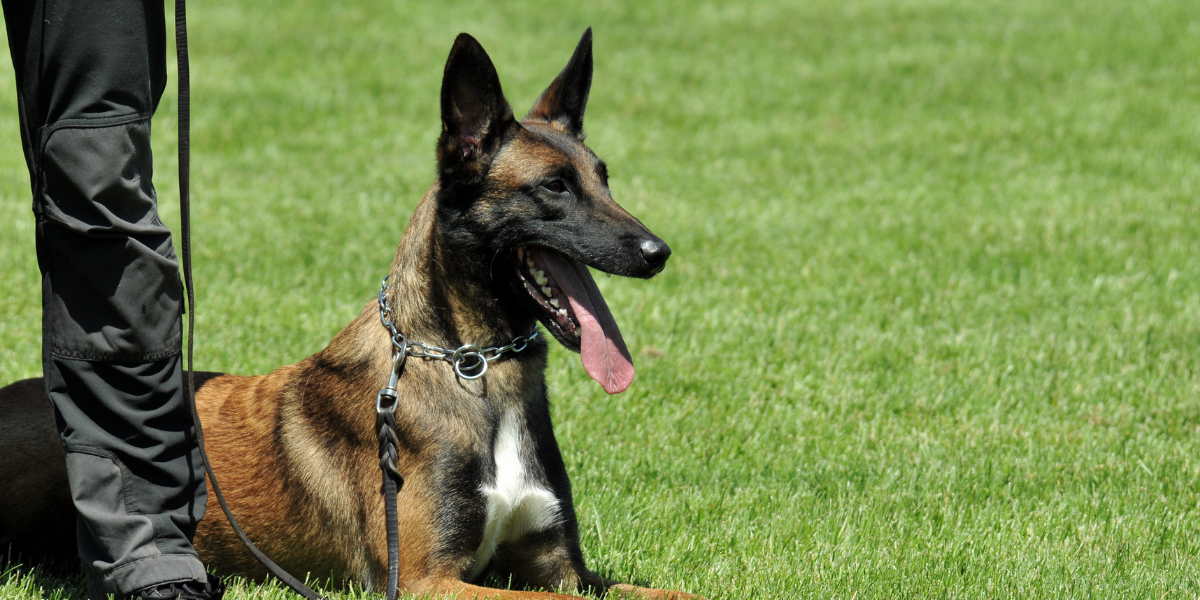
The dog's equipment is equally important. Specially designed harnesses allow effective control of the dog while giving it freedom of movement to carry out its mission. Leashes and leads, made from robust materials, are essential for guiding the dog safely. Toys and treat bags allow for training and rewarding the dog.
.png)
The daily life of a dog handler in the gendarmerie is punctuated by a variety of missions. These teams intervene in:
Detection of drugs, weapons, explosives, human remains or banknotes.
Search for missing or wanted persons.
Security for public events.
Protection of intervention teams such as GIGN.
Thus, a dog handler's days can be intense, with regular training to maintain the dog's skills at their highest level. This profession requires an unshakeable relationship of trust between the handler and their dog. Non-verbal communication plays an essential role, allowing the dog handler to understand their four-legged companion's signals. This relationship of trust is the heart of their effectiveness in the field.
Working as a dog handler in the gendarmerie involves a diverse work environment. Dog handlers may be required to work in urban, rural areas, or during special events. They can intervene both in mainland France and in overseas territories according to Gendarmerie needs.
Working hours vary depending on missions. Dog handlers may be called upon to work nights, weekends, and during holidays. Some long interventions require the gendarme to demonstrate availability as well as good management of fatigue and stress.
First, you must be a non-commissioned officer of the Gendarmerie (SOG) to be eligible for this specialization. After a few years of field experience, candidates must respond to a call for volunteers to hope to join a canine unit.
To become a gendarmerie dog handler, candidates must go through a rigorous selection process. Selection tests include physical tests, behavioral evaluations and dog handling tests. This selection ensures that only the most competent and motivated candidates are chosen for this demanding profession.
The training of gendarmerie dog handlers aims to prepare these professionals to meet the complex challenges that await them in the field. This training begins once the candidate has been selected to join this specialty. It combines theoretical and practical elements, focused on two fundamental aspects: mastering techniques for working with dogs and developing a deep understanding of canine behavior. This training lasts 14 weeks and takes place at the National Center for Canine Instruction of the Gendarmerie (CNIGN) in Gramat, in the Lot.
Gendarmerie dog handlers experience a unique professional adventure, combining their passion for dogs and their vocation as gendarmes. It is therefore rare for these professionals to change specialties during their career, even though it is possible. Their professional evolution is more oriented towards rank advancement. They can also opt for an instructor career to share their unique and valuable expertise with new generations of dog handlers.
The average salary of a gendarmerie dog handler varies depending on their rank, their level (seniority), bonuses related to special missions as well as the dog handler's skills. A beginning non-commissioned officer can expect a salary of about €2,000 net per month plus benefits such as free housing for service requirements or special SNCF rates.
On vetsecurite.com, find a wide selection of clothing, shoes/boots, equipment (belts, gloves, badges, holsters, ballistic protection...), materials (flashlights, knives, holsters, tactical plates, handcuffs, batons, tear gas canisters...) as well as a luggage range for gendarmes.