The best equipment for pros and enthusiasts alike




 Professions
The PPE industry is much more than a simple matter of style and trends. Behind each work garment we wear lies a complex creation process, a fusion of art and science, of creativity and technique. One of the most fascinating facets of this industry is the design of these PPE, a crucial step that transforms raw materials into functional and protective clothing pieces.
Table of Contents:
- Work Clothing Manufacturing Steps
- Chemical or Mechanical Treatment
The work clothing industry is a world apart, very different from mainstream fashion (B2C). It responds to specific needs related to raw materials, safety, customization and quantity. Let's break down together the crucial steps in manufacturing work clothing.
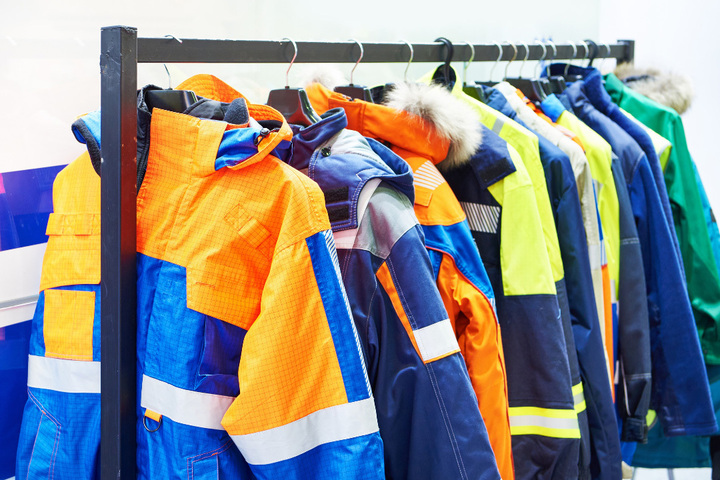
Come discover our work clothing and equipment on our online store.
At the heart of creating work clothing is the raw material, also called composition. This is essential as it will greatly influence the final characteristics of the product. Each raw material must be clearly listed on the garment's composition label.
Raw materials are divided into two main categories: natural fibers and synthetic fibers.
- Natural fibers come from plants (cotton, hemp, linen) or animals (silk, cashmere, wool).
- Synthetic fibers are created by chemical reactions, such as esterification for polyester, or the production of nylon, acrylic, lycra, elastane, cordura, etc.
Each fiber has its advantages and disadvantages, as well as distinct physicochemical properties, which will impact the final garment. Some of these properties can be modified by chemical or mechanical treatments during the finishing phase.
The choice of fiber therefore depends on the desired characteristics for the work clothing. For example, nylon would not be recommended for a firefighter.
After the selection of raw materials comes the spinning stage, which transforms this raw material into yarn. The yarn can vary in diameter and quality, what we call titration, according to needs.
At this stage, we have raw yarn spools, but the final work garment is still far away. Weaving or knitting consists of transforming this yarn into fabric. We distinguish two main fabric families in work clothing: knit fabric and warp and weft fabric.
- Knit fabric, used for t-shirts, polos, sweatshirts, fleece jackets, is knitted.
- Warp and weft fabric, which notably makes up smocks and work blues, is woven.
It is common to use both knit and warp and weft fabrics on the same professional garment, as with parkas, with a knit fleece lining and a warp and weft exterior.
The most common chemical treatment is dyeing, which can be done in several ways, with different dyes depending on the fabric composition and dyeing method. Besides dyeing, there are various chemical treatments to give the fabric properties it doesn't naturally have, such as water-repellent treatment, flame retardant or stain-resistant treatment.
However, the durability of most of these treatments poses a problem, as they fade with washing and sometimes need to be reapplied using specific aerosols.
Mechanical treatment modifies the appearance or texture of work clothing. Among mechanical treatments, we find sanforizing (to reduce shrinkage during washing), calendering (to add shine to the fabric) and embossing (to create relief on the fabric).
After chemical and mechanical treatment, we obtain finished fabric, in the form of rolls or bales. The different parts of the work garment are then cut from the fabric and assembled during the manufacturing stage. Each manufacturing workshop has specialties related to its machine fleet, its production organization and the quality of its workforce.
For example, manufacturing a parka requires more than 50 operations, with approximately 90 minutes of workshop work. A production line of 60 to 70 stations is therefore necessary, sometimes with doubled stations to maintain chain fluidity. This type of production is hardly feasible in a small factory of 50 people.
Each factory has its own constraints, related to its production capacity, organization and order book. The main challenges in work clothing manufacturing are generally the minimum quantity required and deadlines.
Standards relating to work clothing are essential to guarantee the safety, quality and performance of this equipment designed to protect workers in various professional environments. To ensure that work clothing meets required standards, a comprehensive set of tests is performed. Here are some of the most common test categories:
- Mechanical resistance: Mechanical resistance tests are essential for evaluating the robustness of materials used in work clothing. Fabrics are subjected to tear, abrasion and puncture tests. These evaluations ensure that clothing can withstand the physical constraints they will be exposed to in the workplace. For example, in the construction industry, where workers often handle rough materials, glove abrasion resistance is crucial to avoid premature tears.
- Chemical resistance: In environments where hazardous chemicals are present, the chemical resistance of work clothing is fundamental. Tests expose materials to different chemical substances to evaluate their resistance. This ensures that workers are protected against potential splashes or exposure to corrosive chemicals.
- Flammability: Work clothing must be designed to minimize risks in case of contact with fire. Flammability tests evaluate how a material reacts to heat and flame. For firefighters or workers exposed to fire, it is essential that their clothing does not ignite easily and that it offers protection against heat.
- Thermal insulation: Certain trades, like those in the steel industry, require thermal protection. Tests measure the clothing's ability to retain or dissipate heat to ensure worker comfort and safety in hot or cold environments.
- Visibility: High visibility clothing is common in sectors like construction and emergency services. Visibility tests evaluate the clothing's ability to be noticed in low-light conditions. They check reflectivity and fluorescence for better visibility, thus reducing accident risks.
- Air permeability: For work clothing worn in environments where breathability is important, air permeability tests are performed. This ensures that workers can evacuate heat and perspiration while being protected.
- Water resistance: In wet weather conditions, work clothing must resist water to keep workers dry. Waterproofing tests evaluate the materials' ability to repel water, thus avoiding sensations of dampness and cold.
- Washing tests: The durability of work clothing is paramount. Washing tests simulate normal wear by exposing clothing to repeated wash cycles. This ensures that materials do not degrade prematurely after being washed multiple times.
- Tensile strength: Tensile strength evaluates the material's strength by subjecting it to a pulling force. This ensures that seams and zippers do not give way under pressure, thus ensuring the garment's durability.
- Arc flash protection: For workers exposed to arc flashes, specific tests are performed to evaluate the clothing's ability to withstand electrical discharges. This helps reduce the risk of electrocution in the workplace.
These tests are crucial to ensure that work clothing meets the safety and performance standards required by different industries. They allow workers to feel safe and comfortable while performing their duties, regardless of their specific work environment.
Manufacturing work clothing is a complex process that includes four main steps: spinning, weaving or knitting, chemical or mechanical treatment, and finally, manufacturing. Each of these steps has its specificities and its importance in creating quality clothing, capable of meeting the specific needs of those who will wear it.