 The best equipment for pros and enthusiasts alike





-
 Professions
-
-
-
-
-
-
-
-
All Tops
![All Tops]()
-
-
-
All Bottoms
![All Bottoms]()
-
-
-
All Footwear
![All Footwear]()
-
-
-
All Bags
![All Bags]()
-
-
-
All Accessories
![All Accessories]()
-
-
The chef's headwear, also known as a toque, is one of the most iconic hats worn by chefs and kitchen professionals.
Table of Contents :

A wide selection of work equipment for cooks
Come discover a selection of equipment dedicated to professionals in the food service and restaurant industry.
The origins of headwear in the kitchen
The origins of kitchen hats date back to Antiquity and have evolved over time:
-
Ancient Egypt : The earliest traces of headwear in the kitchen date back to ancient Egypt. Priests and head cooks wore white linen caps to indicate their status and role in meal preparation.
-
Ancient Greece and Rome : Cooks in ancient Greece and Rome wore conical hats called "pilos". These hats were often made of felt or wool and were used to protect cooks' hair from hot ashes and flames.
-
Middle Ages : During the Middle Ages, kitchen hats became more common and began to take on distinct shapes. Chefs wore cone-shaped hats called "henin", while cooks used simpler caps to keep their hair in place.
-
Renaissance : During the Renaissance, toques began to appear in Europe. These tall, cylindrical hats were worn by chefs to show their status and culinary expertise. Toques were often made of white canvas and were more decorative than practical.
-
France and classical cuisine: Kitchen hats are strongly associated with classical French cuisine. In the 19th century, Marie-Antoine Carême, famous French chef, popularized the use of toques as a symbol of the culinary profession. Toques became emblematic of high-level chefs and French gastronomy.
The exact origins of different types of kitchen hats can vary according to regions and cultures. The history of kitchen hats is closely linked to tradition, to hierarchy and to functionality in meal preparation.
Types of chefs' headwear
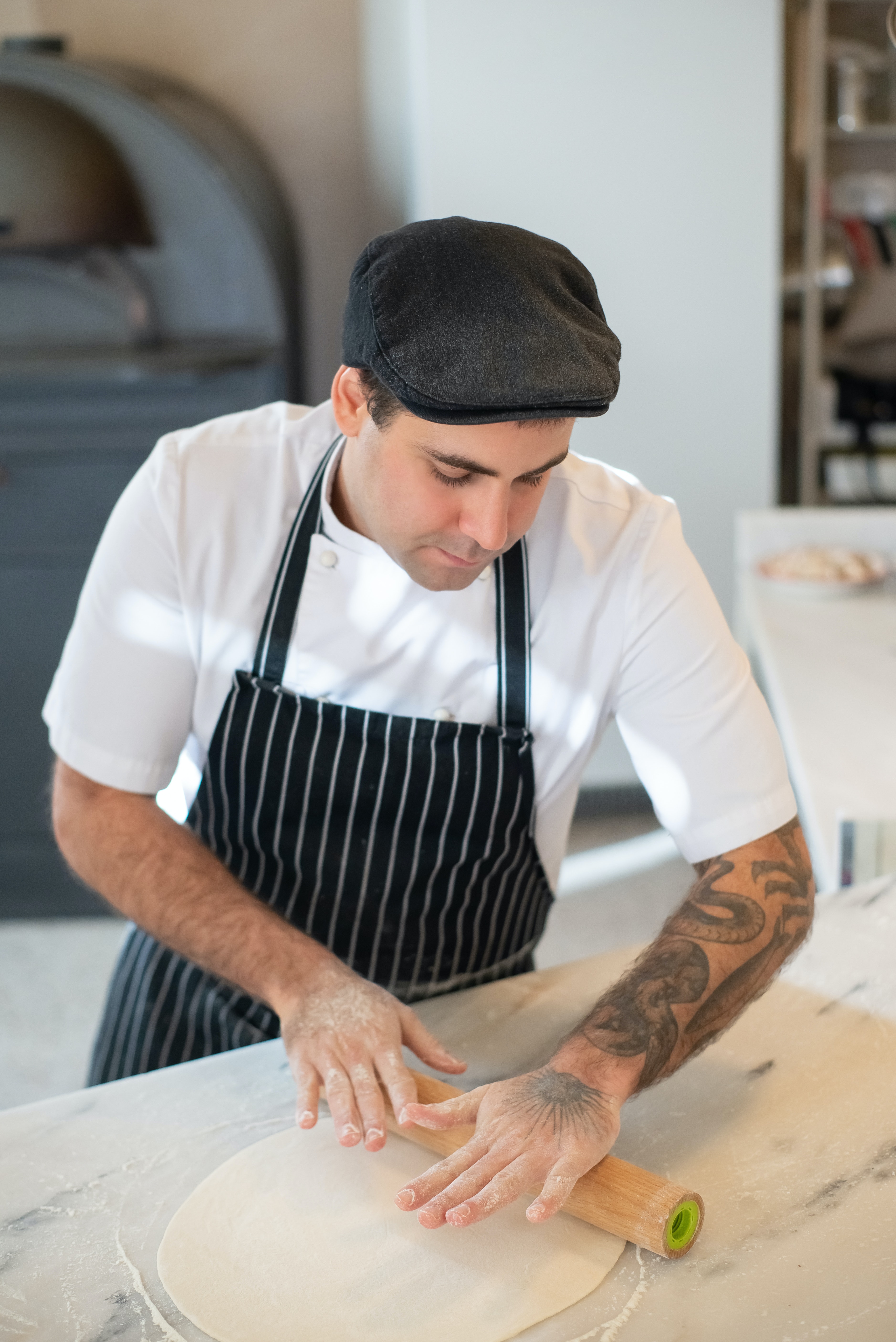
Kitchen hats are important elements of the uniform worn by chefs and professionals in the kitchen:
-
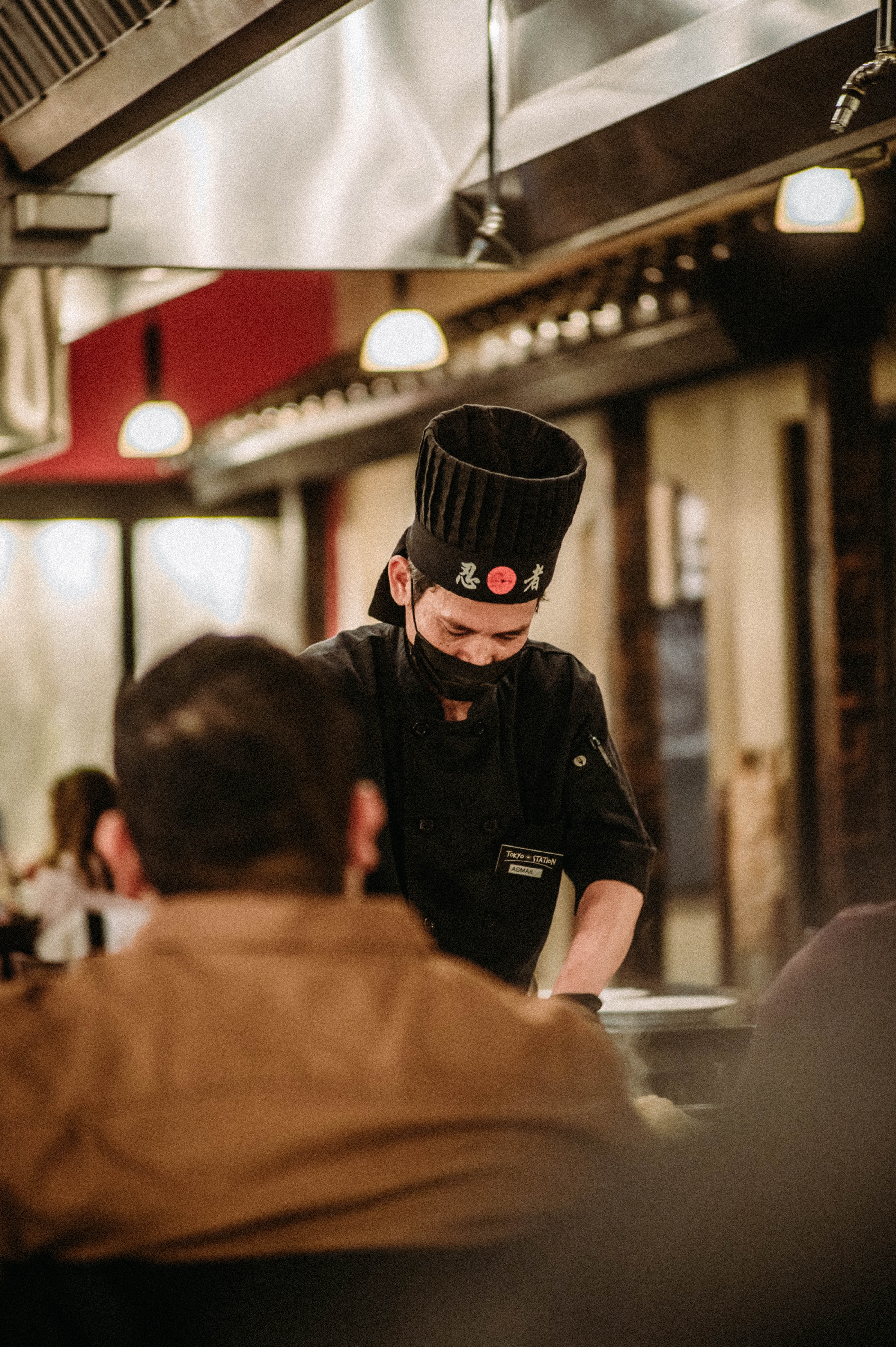
Toque: This is the classic hat worn by chefs. It is a tall hat with a narrow brim. The height of the toque can vary to indicate the chef's rank in the kitchen hierarchy.
-
Skull cap : Also called "skull cap" in English, it is a fitted kitchen hat that covers the hair. It is often worn by cooks and pastry chefs to keep their hair in place and maintain hygiene in the kitchen.
-
Beret : A beret is a soft, round hat of French origin. It is sometimes worn by chefs to add a touch of style to their uniform.
-
Visor : A visor is a headpiece that protects the chef's eyes from bright light in the kitchen. It is usually made of transparent plastic and attached to the front of the head with an elastic band.
These kitchen hats are used for practical purposes, such as keeping hair in place, maintaining good hygiene and protecting the chef from splashes or falling objects. They are also part of the tradition and aesthetics of the culinary profession.
The significance of chefs' headwear
Kitchen hats carry symbolic and traditional significance in the culinary field:
-
Hierarchy: In a professional kitchen, the height of the toque can indicate the chef's rank. The taller the toque, the more experienced or high-level the chef. This makes it easy to recognize the position and authority of each chef in the kitchen brigade.
-
Professionalism : Kitchen hats are a symbol of professionalism and respect for culinary tradition. They show that the people wearing them are qualified professionals committed to their craft.
-
Hygiene : Kitchen hats, such as skull caps, are designed to keep cooks' hair in place, thus preventing hair from falling into food. This ensures optimal hygiene and food safety.
-
Identity : Kitchen hats contribute to the visual identity of a chef or kitchen brigade. They are part of the distinctive uniform that allows kitchen professionals to be recognized in a work environment.
It is important to note that traditions and meanings can vary from one culinary culture to another. For example, in French cuisine, toques are particularly associated with hierarchy and culinary excellence, while in other cuisines, skull caps may be more widespread.
Indeed, headwear in restaurants is primarily used for hygiene purposes, however it also contributes to safety. It is not the only protective equipment that plays this role, kitchen shoes, like aprons or uniforms, also have this function in restaurants.
On vetsecurite.com, find a wide selection of clothing, shoes and accessories for professionals in the hospitality sector.
Related products
Related articles

Slip-resistant shoes: Safety standards
Read the article


-
![Over 200 brands At the best price]() Over 200 brands At the best price
Over 200 brands At the best price -
![Secure payment In 3 or 4 interest-free installments]() Secure payment In 3 or 4 interest-free installments
Secure payment In 3 or 4 interest-free installments -
![Delivery across Europe As soon as possible]() Delivery across Europe As soon as possible
Delivery across Europe As soon as possible -
![Customer service Monday to Friday]() Customer service Monday to Friday
Customer service Monday to Friday


