The best equipment for pros and enthusiasts alike






-60%
 Professions
A welder is a professional who works in assembling different materials using welding techniques. Welders can work in a variety of industries, including construction, manufacturing, repair, automotive, aerospace and marine.
Summary:
The main tasks of a welder include reading plans and diagrams to determine welding specifications, preparing materials to be welded, assembling parts to be welded, applying welding techniques such as arc welding, MIG welding (Metal Inert Gas), TIG welding (Tungsten Inert Gas), and resistance welding, as well as inspection and verification of weld quality.
The welder's work requires a good understanding of welding techniques and material properties, as well as the ability to work with tools and welding equipment such as arc welders, welding torches, welding machines. Welding work can be dangerous and expose welders to various risks to their health and safety. Therefore, welders must wear appropriate personal protective equipment (PPE) to minimize the risks associated with their work:
Welding helmet: The welding helmet is used to protect welders' eyes and face from sparks, ultraviolet and infrared radiation and hot metal projections.
Safety glasses: Safety glasses are worn under the welding helmet to protect welders' eyes from metal splashes and projections and ultraviolet radiation.
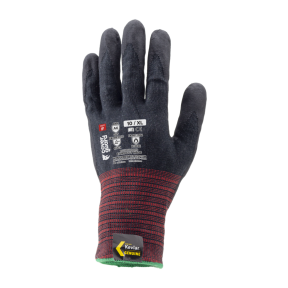
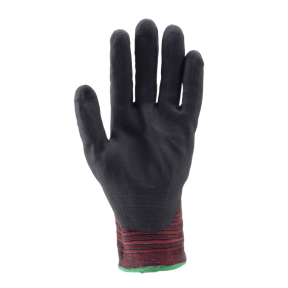
Welding gloves: Welding gloves are used to protect welders' hands and wrists from burns and cuts related to handling hot parts and welding equipment.
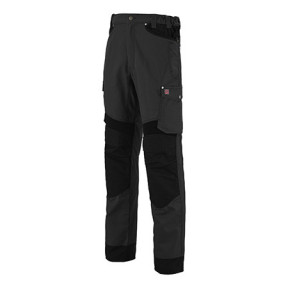
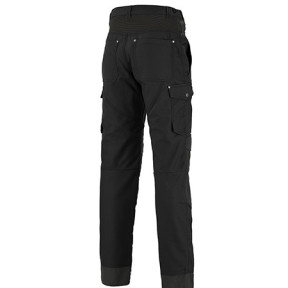
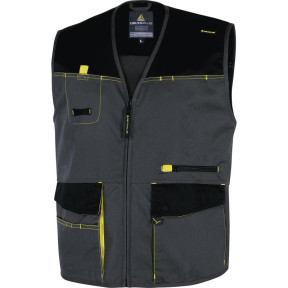
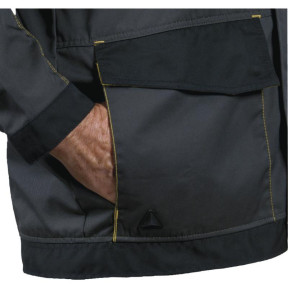
Protective clothing: Protective clothing, such as leather smocks, jackets and aprons, are worn to protect welders' clothing from sparks, metal projections and burns.
Safety shoes: Safety shoes with steel toes are used to protect welders' feet from falling heavy objects and metal projections.
Welders must ensure that their safety equipment is of good quality, that it is used correctly and that it is replaced when worn or damaged.
Welders can undergo professional welding training, such as the CAP Welder, to acquire the skills necessary for the profession. They can also obtain welding certifications to validate their skills and their welding expertise.
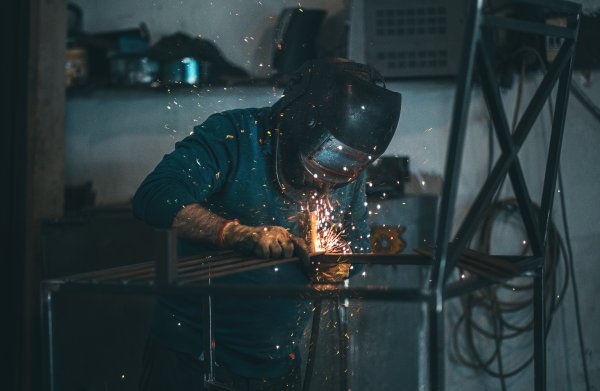
To become a welder, it is necessary to have good physical condition and good hand-eye coordination, as well as good knowledge of material properties and different welding techniques. It is also essential to respect safety standards related to working in an industrial environment and using welding equipment.
A welder's salary can vary depending on several factors such as experience, workplace, level of qualification, industry and market demand. In France, according to 2021 data, the average gross salary for a welder is approximately 1,800 to 2,300 euros per month for a beginner, with an average salary of approximately 2,500 to 3,000 euros per month for an experienced welder. However, these figures may vary depending on the region and company where the welder works.
Welders can also benefit from additional advantages such as bonuses for working in difficult conditions, performance or productivity bonuses, social benefits and supplementary health insurance coverage. Furthermore, independent welders can charge higher hourly or daily rates based on their experience and expertise.
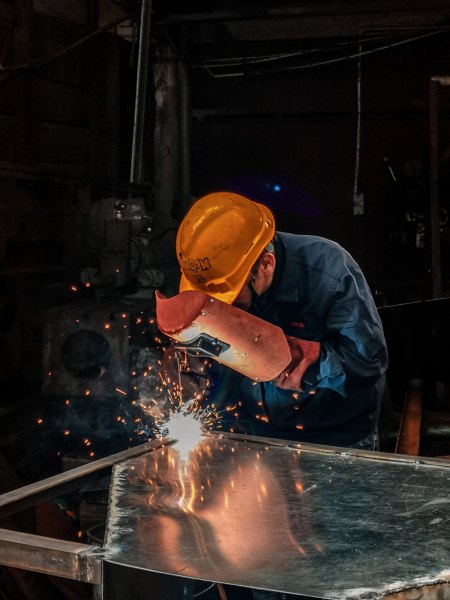
Professional advancement for a welder will depend on several factors such as their level of experience, their skills, their level of qualification and the opportunities available in their sector. Here are some advancement possibilities for a welder:
Team Leader: Welders with sufficient experience can be promoted to team leader positions. In this role, they will supervise a team of welders and be responsible for planning and organizing welding projects.
Welding Inspector: Experienced welders can also become welding inspectors. In this role, they will inspect and evaluate welds to ensure they meet required standards and specifications.
Welding Instructor: Welders with extensive experience and advanced technical skills can also become welding instructors. They can work in vocational training centers or in companies to train beginning welders or other team members on advanced welding techniques.
Robotic welding: With the rapid advancement of technology, welders can also specialize in robotic welding. Welders with experience in robotic welding can be in high demand in the industry.
To advance in their careers, welders must constantly improve their technical skills and their knowledge of safety and quality standards. They can do this by pursuing additional training and certifications in their area of specialization.