The best equipment for pros and enthusiasts alike











-35%
 Professions
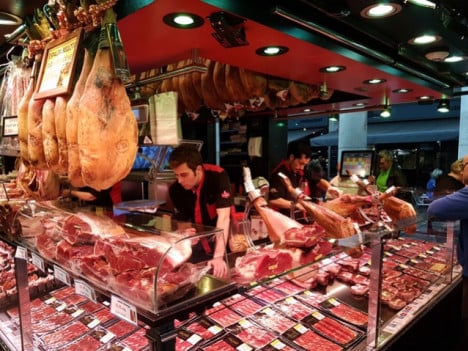
The butcher profession consists of preparing and selling meat and meat products. Butchers can work in independent butcher shops, supermarkets, restaurants, hotels or meat processing companies.
Summary:
The common tasks of a butcher include:
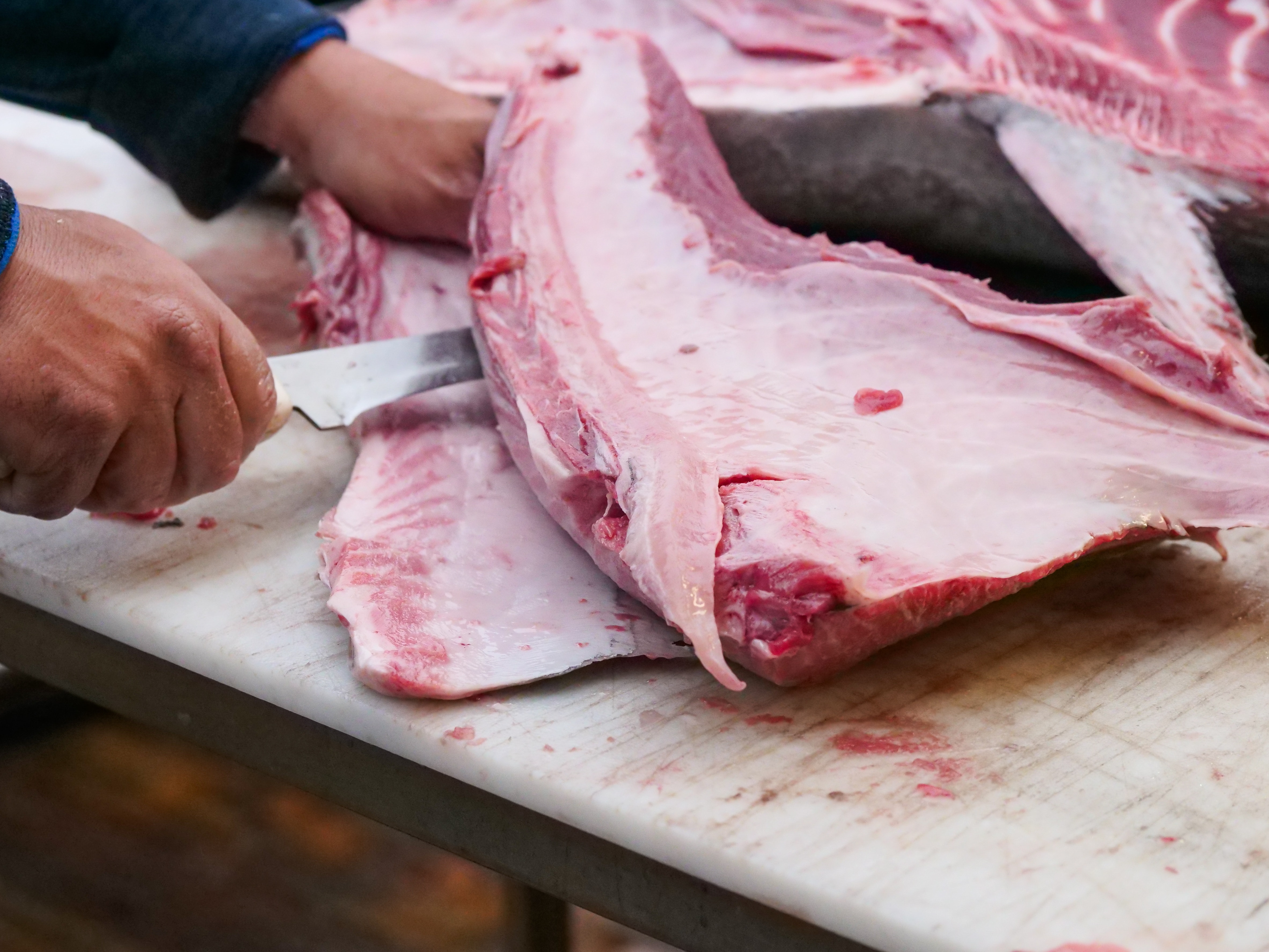
The work of a butcher requires manual skills, dexterity, good knowledge of different animal species and cuts of meat, as well as the ability to work in a refrigerated environment and to respect hygiene standards and food safety. It can be physical and demanding, requiring good physical condition and skill in working with sharp and heavy tools. Professional training in butchery is often necessary to enter the profession, although some butcher shops may offer on-the-job training.
To become a butcher, professional training in butchery is generally necessary. This training can be acquired through a professional study program in a butchery school, a butchery apprenticeship or a combination of both.
Training programs in butchery vary in duration and intensity, but usually cover topics such as food safety, knowledge of different cuts of meat, cutting and processing techniques, inventory management, sales rules and safety standards in butchery. Skills in mathematics, communication and customer service are also important for success in this profession.
Here is a list of training to become a butcher:
Butchers' salaries vary depending on their experience, their workplace and their level of qualification. In France, a beginning butcher can expect to earn about minimum wage, which is approximately 1,554 euros gross per month in 2023.
However, with experience and additional qualifications, a butcher's salary can increase considerably. Experienced butchers can earn up to 2,500 euros gross or more per month. Salaries can also vary according to the type of employer, with butchers working for independent traditional butcher shops often earning more than those working in supermarkets.
It should be noted that these figures are given for informational purposes and may vary depending on numerous factors such as geographical location, level of experience and the economic situation of the job market.
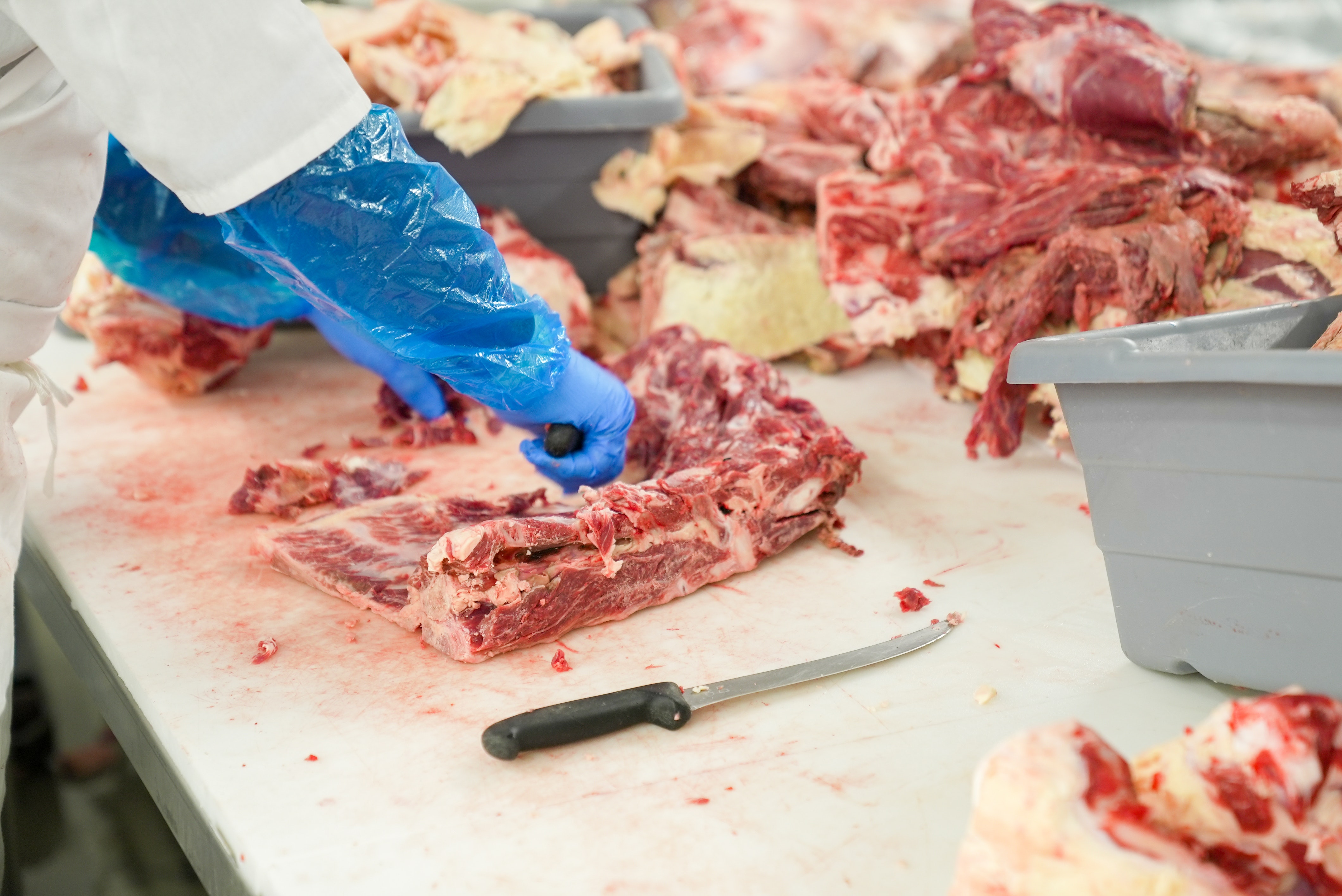
The butcher profession offers several possibilities for professional development for people looking to advance in their career. Here are some examples of possible evolution:
Becoming a head butcher: Butchers with solid experience can evolve to become butcher shop managers or meat store managers. In this role, they supervise other butchers and are responsible for business management, order planning, inventory management, budget management and customer management.
Becoming a trainer: Experienced butchers can become trainers in butchery, working in schools of butchery or professional training centers to teach the skills and techniques necessary for the profession.
Starting your own business: Butchers with experience and in-depth knowledge of running a butcher shop business can consider opening their own business, whether it's a traditional butcher shop, a delicatessen or a meat processing company.
Specializing: Butchers can specialize in areas such as delicatessen, cooking or catering, using their skills in butchery to create high-end dishes and products.
To advance in their career as a butcher, it may be necessary to acquire additional skills and follow complementary training.
Are you a butcher or considering becoming one? On vetsecurite.com, find thousands of items at the best price for your butcher outfit: work clothing, safety shoes and accessories.