The best equipment for pros and enthusiasts alike





 Professions
Seeing at night as in broad daylight, here is a superhuman power within everyone's reach thanks to night vision goggles, binoculars and other monoculars. Used for the first time during World War II, these residual light amplifier (RLA) devices have continued to evolve over the years.
Summary:
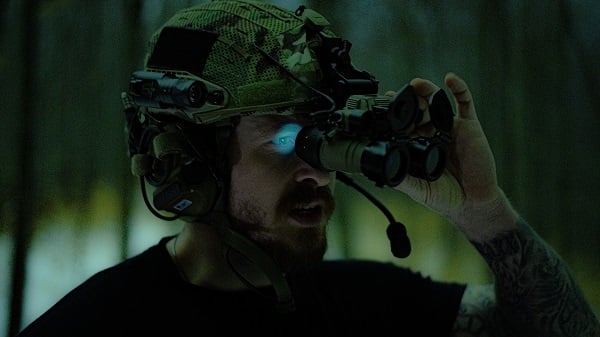
Night vision optics, also called NVG for "Night Vision Goggles", use three types of technologies :
A so-called "passive" technology : this technology amplifies residual light to the maximum thanks to a light amplifier. This system gives a green color rendering and is commonly used by armed forces.
A so-called "active" technology : this system uses infrared (IR). This technology is mainly reserved for "leisure" type users. Indeed, in tactical situations, enemy instruments can detect infrared devices, which compromises the mission.
A mixed passive/active use : some night vision goggles combine these two technologies to provide particularly precise images and for more versatility.
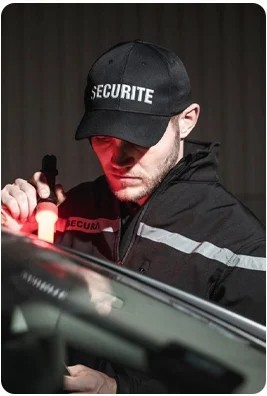
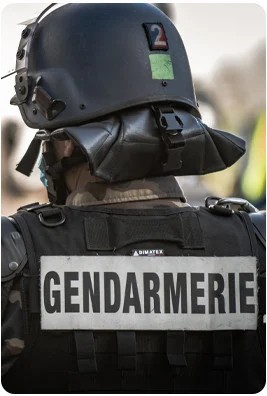
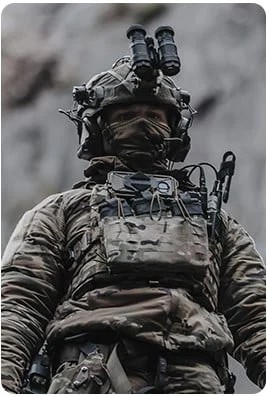
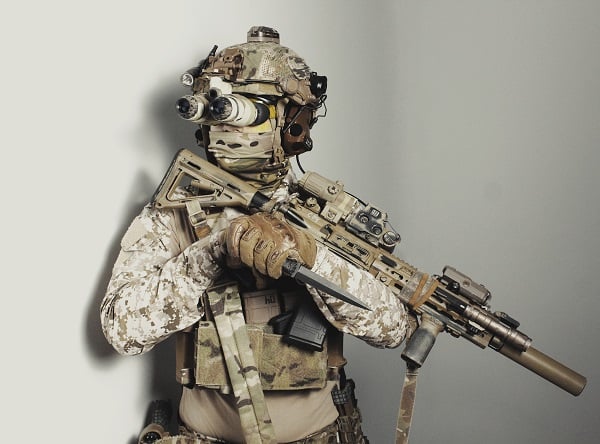
In France, the purchase, possession and use of night vision devices is authorized. However, for leisure purposes, it is nevertheless strictly prohibited to mount the device hands-free, on a helmet for example. Only military and law enforcement (RAID, GIGN, …) can mount NVGs hands-free. Most often, these devices are mounted directly on the helmet.
Several criteria must be taken into account to choose night vision goggles :
As we have seen previously, armed forces around the world almost exclusively use passive technology night vision goggles. Depending on missions, military personnel can use different devices, mounted or not hands-free, more or less bulky and heavy, with more or less important zooms.
Over the years, different generations of light amplifier tubes have emerged.
Generation 0 : these are the first devices to have been used in real combat situations, during World War II then during the Korean War by snipers of the American army. These devices called "sniperscope" used active technology.
Generation 1 : these are the first devices to use passive technology that captures moonlight. They were mainly used during the Vietnam War.
Generation 2 : these devices, also passive, provide better brightness to be used even on moonless nights.
Generation 3 : these devices achieve, once again, better results with an amplification rate ranging from 30,000× to 50,000×.
Generation 3 Omni-VII type: two innovations improve generation 3 devices without being able to qualify them as "generation 4". These are better adaptation to brightness changes and better sensitivity.
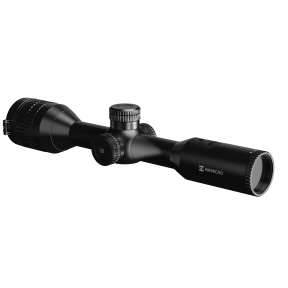
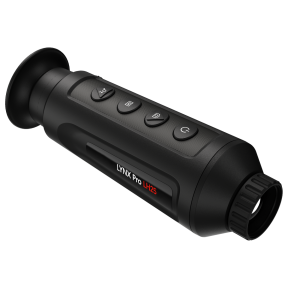
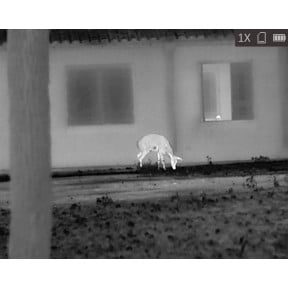
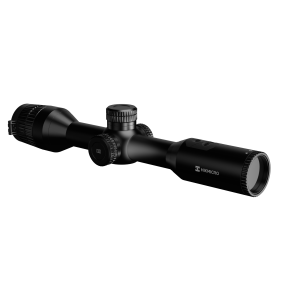
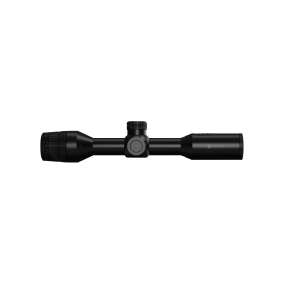
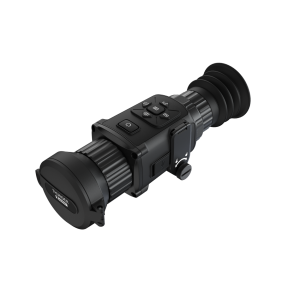
On our online store vetsecurite.com, come discover a wide selection of night vision monoculars, thermal shooting scopes, night vision goggles and thermal vision binoculars from the Hikmicro brand for military and law enforcement. You will also find a wide selection of products dedicated to military personnel : military uniforms, military boots, military equipment, materials and luggage.