The best equipment for pros and enthusiasts alike






-35%
 Professions
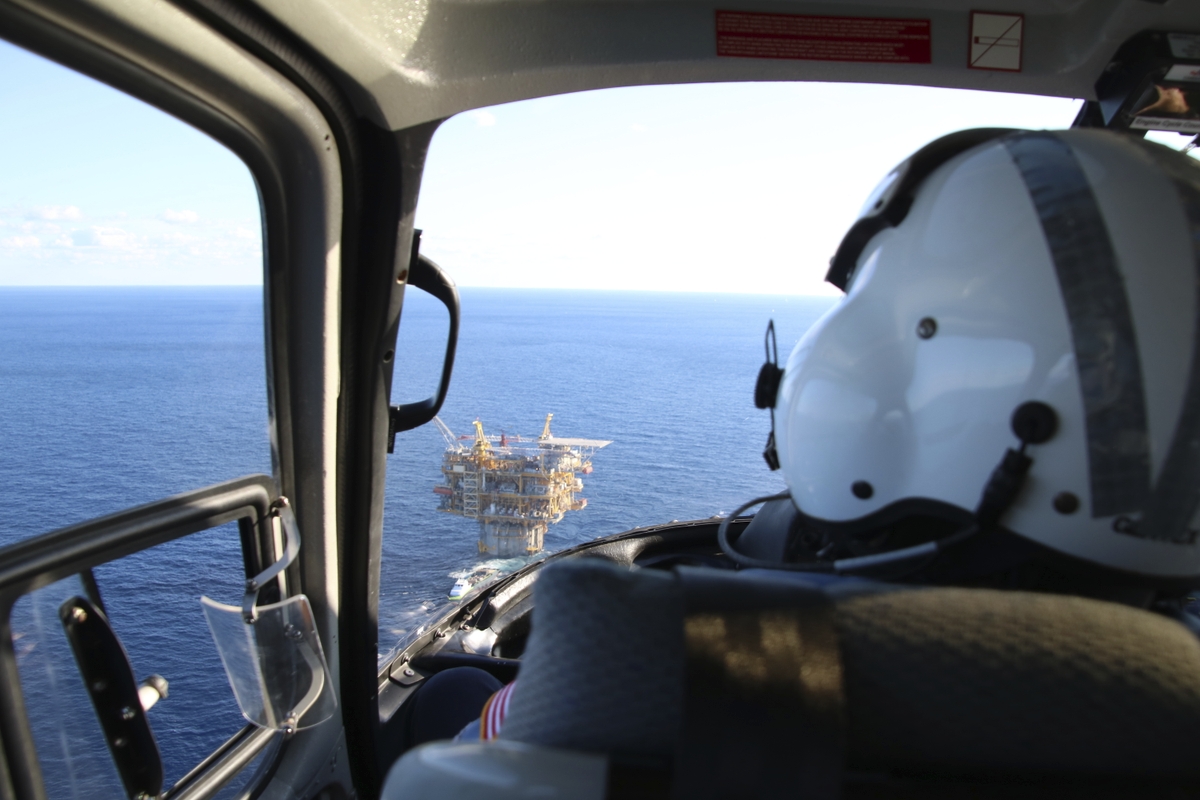
The petrochemical sector is vital for the fuel industry, plastic manufacturing, automotive markets, etc. Oil platforms have a great need for workforce, so they offer more than attractive salaries. However, it is a market that offers both demanding jobs and quite difficult living conditions.
Summary:
Many trades are present on platforms (fixed or floating) with the aim of exploiting an oil field.
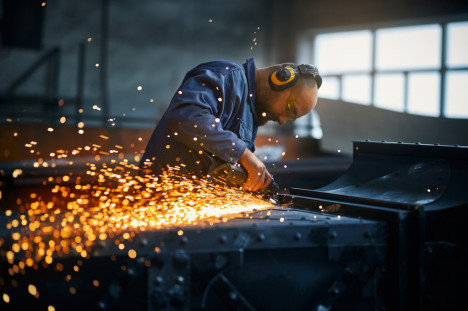
Welders fuse various metal parts by heating them to very high temperatures. This profession is essential on an oil platform, an environment consisting mainly of metallic materials.
Diving suit divers are professional divers who have received the necessary training to descend in hyperbaric conditions. They intervene underwater to perform welding, connect pipes, check the condition of installations, masonry work, etc.
Oil maintenance technicians install and check the condition of various materials and equipment or perform repairs.
Based on the plan provided by the engineering service, oil drillers will be involved in setting up the drilling structure. They create the pilot hole then proceed with drilling by performing all consolidation and control operations.
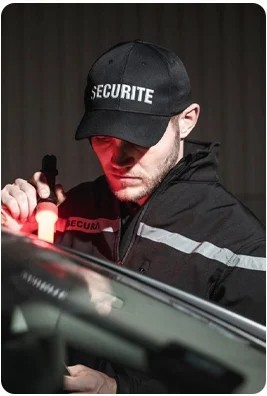
Among the other vital functions for the proper operation of an oil platform, we find crane operators, electricians, riggers, security agents, firefighters, cooks, or even nurses.
Given that workers on oil platforms perform different tasks, personal protective equipment (PPE) must be composed of several protective fabrics to meet their needs.
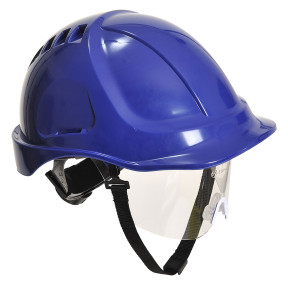
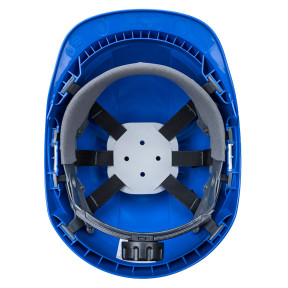
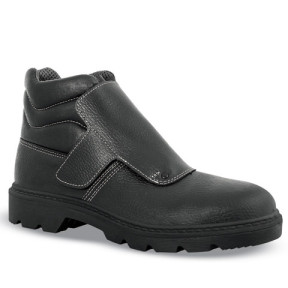
All work areas in the petrochemical industry include so-called Atex zones (highly explosive zones or atmospheres) where the potential for electrical arcing is greater and requires the use of antistatic materials. These fabrics must be waterproof, treated with fluorocarbons and protected from related risks to welding. Some areas allow vehicle circulation, requiring workers to use fabrics with reflective strips for high visibility. Traditional PPE required in dangerous work environments, such as gloves, glasses, helmets and hearing protection, must also be worn.
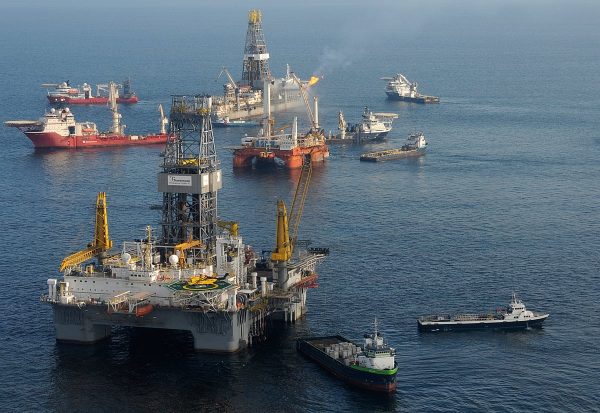
The main oil producers are the Middle East, Russia, Africa, Latin America. Living conditions can be difficult, sometimes even hostile (extreme temperatures, unleashed elements, etc.). You also must not be bothered by promiscuity or communal living. Employees sleep together in small cabins. This applies to both engineers and agents. An offshore site involves working at least 12 hours a day, 7 days a week and completing a set of missions over a month. Fortunately, after 30 days at sea, employees are granted the same amount of time to rest at home.
The sought profile is mainly bac +2 to bac +5. The range of professions is broad enough for all skill levels. Additionally, companies are constantly hiring new employees due to the high turnover on certain positions. Even if you have no experience, if you are motivated, mobile and reactive, there are opportunities for you in certain positions. It is also possible to apply for internships and VIE missions (international volunteering in companies).

Candidates are offered excellent salaries by operating companies. Compensation varies according to the job, beginners can earn up to 3,000 to 5,000 € per month. Employees are fed and housed at no cost, however, they do not have retirement or unemployment benefits.
To this salary are added numerous bonuses, particularly those for work in a dangerous country. They can very quickly double, or even triple the salary:
- Risk premium
- Mobility incentive premium
- Premium for extreme climatic conditions
It's a world where human values and skills are recognized, and progressions like these are regularly seen: Start as a cleaning agent, continue as shift supervisor and end up as site manager.
If you want to work on an oil platform, don't hesitate to check job offers that may be available on specialized platforms like Indeed, Hello Work, etc.