The best equipment for pros and enthusiasts alike



 Professions
Ah summer, finally! You could almost smell the good aroma of grilling marshmallows and hear the crackling of a night by the fire with family or friends. However, this daydream can quickly turn into a nightmare if you don't follow some basic rules.
Table of contents:
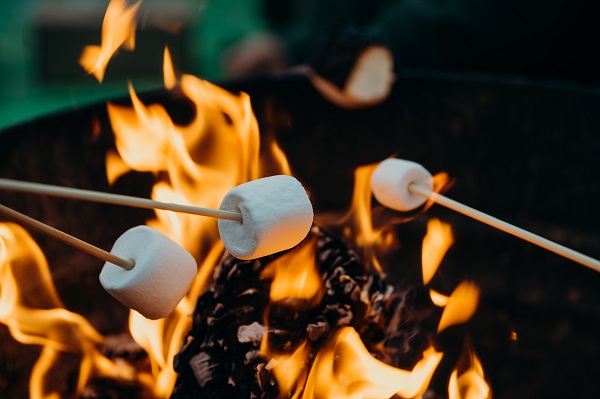
Before lighting your campfire, it's necessary to check the current regulations. Indeed, if you're in a Regional National Park, fires may be completely prohibited. If you're in a campground and fires are allowed, use only the designated areas for this purpose. Similarly, certain places that allow campfires may be subject to a temporary ban by prefectural decree due to a drought episode. Get informed beforehand and, if you haven't managed to obtain the information, refrain from doing so!
Avoid establishing your fire below low tree branches or in a windy location. It's also better to avoid areas of grass that's too dry or places covered with dead leaves, twigs, leaves, or conifer needles. The space must be well cleared.
After finding the spot that seems ideal to you, clear the area of all vegetation that could ignite within a 5-meter radius around the intended location for your campfire. Once the area is cleared, you should ideally dig a hole in the ground to prevent ashes from flying too far. For this, you can use a folding shovel. Then, surround your fire pit with the largest stones you can find. If you have water nearby, you can fill a bucket or bottles and water the outside of your fire pit along the stones to add extra safety and prevent the fire from spreading further. The flames of your fire should not be higher than the edge of your fire pit.
The next day, before leaving your bivouac or wild camping site, make sure your fire is completely extinguished and the ashes are well cooled to prevent any fire from reigniting.
Now that you know the basic rules to follow for lighting a campfire, let's get practical!
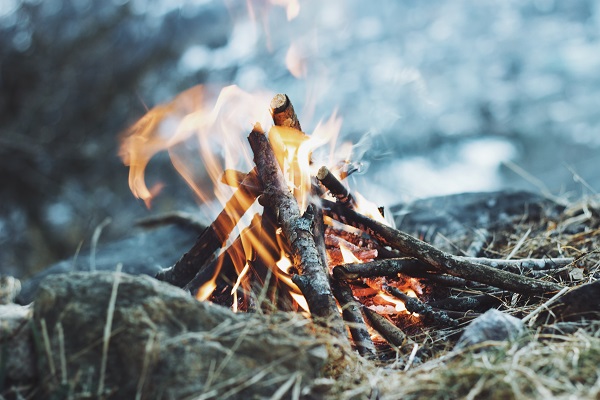
When possible, favor dead wood. First of all, it's easier to collect and also more environmentally friendly, as you'll leave fewer traces after your passage. Dead wood also has the advantage of burning more easily and producing less smoke than green wood. Obviously, it's preferable that your wood be well dried. For ignition, slip rolled paper balls in the center of the fire pit then form a small teepee with small wood like the Light My Fire brand fire starter sticks. Resist the temptation to put your large pieces of wood too quickly, because a fire needs oxygen to burn.
If you haven't managed to find the ideal location or it's difficult to find enough wood where you are, you can also opt for a simple wood stove. This system is quicker to prepare and uses less fuel than a real campfire.
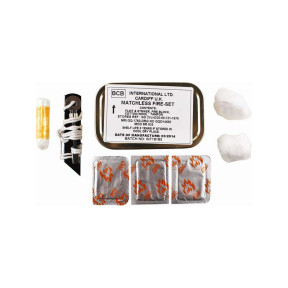
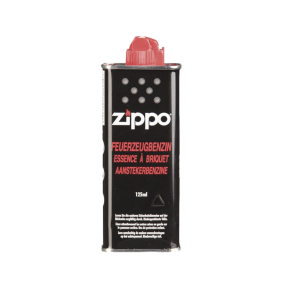
Once you've prepared your fire pit, built a teepee with your kindling wood and stored firewood nearby to feed it, all that's left is to light the fire! For this, on vetsecurite.com, we offer a wide selection of rechargeable storm fire starters and lighters.
And there you have it! You now have all the keys to successfully make your campfire safely. All that's left is to appreciate this sharing ritual that warms bodies and spirits after, we hope, a long and beautiful day of outdoor adventures!