The best equipment for pros and enthusiasts alike







Best price
-20%
 Professions
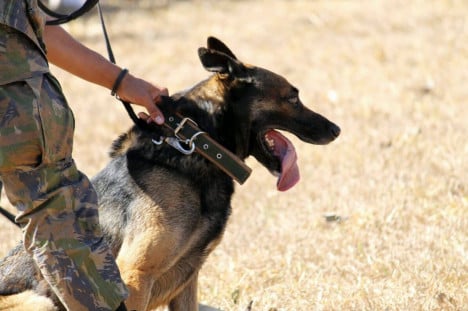
After the Belgian Malinois, the German Shepherd and the Saint-Hubert, it's now the turn of the labrador retriever. The ultimate family dog, the labrador is also a working dog with an exceptional sense of smell and an affectionate character that make it valuable for civilian use as well as by law enforcement as a guide dog for the blind or as an explosive detection dog for example.
Summary:
The labrador retriever originates from Canada and more specifically from Newfoundland Island. Also called " small newfoundland " or " Saint John's dog ", the term labrador was used to distinguish it from the Newfoundland dog with which it shares many common points. Brought to England from the 19th century, this water dog from the Canadian coasts was used by hunters and sailor-fishermen to retrieve fish and game. It was British breeders who developed the breed and subsequently obtained its paternity. Nowadays, the labrador retriever is the most popular dog in the world.
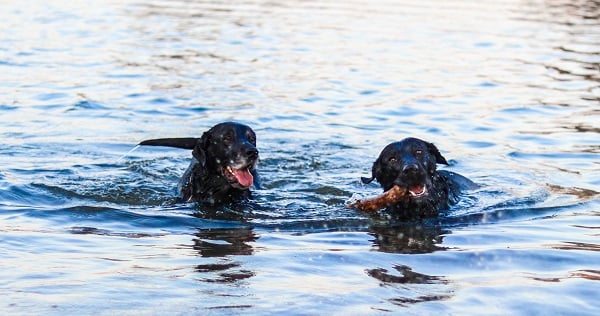
The labrador is a dog that loves water. Excellent swimmer, it uses its tapered tail, wider at the base, like a rudder.
The labrador's "identity card":
Male size: 54 to 61 cm
Male weight: 30 to 35 kg
Female size: 52 to 56 cm
Female weight: 28 to 33 kg
Origin: Canada/United Kingdom
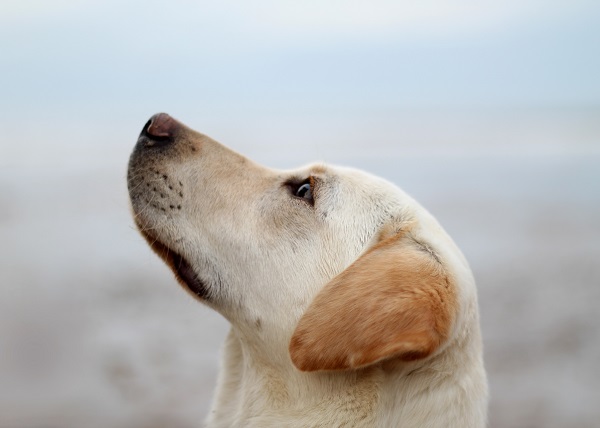
Coat: short and dense with a waterproof undercoat
Colors: chocolate, sand, black
Appearance: strong and robust with a tapered tail
Life expectancy: 12 to 13 years
Common diseases: hip dysplasia, elbow dysplasia, cataract
The labrador retriever is an active and athletic dog that needs a lot of exercise. It's important for the owner to help it release its overflowing energy several times a day during long walks. Very greedy, the labrador is a real stomach on legs. Consequently, the labrador retriever's diet must be particularly monitored to control this tendency to weight gain.
The main character traits of the labrador retriever:
Affectionate
Docile
Intelligent
Playful
Obedient
Greedy
Its attachment to its master, its docility and its playful character are all qualities that make it easy to educate and train for work.
The labrador retriever puppy can be a bit turbulent. Nevertheless, its intelligence and love of play facilitate its learning. Like all dog breeds, the puppy must be educated with firmness and kindness to basic rules. Its "glutton" tendency is also a flaw that quickly transforms into an asset for education. If treats reward its good actions, the agitated puppy quickly becomes receptive and docile again.
The labrador is used mainly for three reasons. The first is its affectionate nature and its mental balance, which makes it an excellent assistance or emotional support dog, particularly as a guide dog for the blind, but also to support people suffering from post-traumatic stress.
The second reason is its superpowerful sense of smell. The military as well as law enforcement can use this breed for drug or explosive detection missions. The labrador's gentle and obedient temperament can also lead it to work on search or rescue missions for missing persons.
The third quality of the labrador retriever breed is its ease in water. Thanks to its aquatic predispositions, this dog breed is commonly used for rescue and lifesaving at sea.