 The best equipment for pros and enthusiasts alike
-
 Professions
-
-
-
-
-
-
-
-
All Tops
![All Tops]()
-
-
-
All Bottoms
![All Bottoms]()
-
-
-
All Footwear
![All Footwear]()
-
-
-
All Bags
![All Bags]()
-
-
-
All Accessories
![All Accessories]()
-
-
K9 handler: essential on all fronts!
Training, education, conditioning and exercises on different types of terrain are the foundations of the dog handler function called "cynotechnical conductor". In the army, gendarmerie, police or in security and civil protection, the missions of this exceptional officer and the animal are very varied. The principle: use the sensory and behavioral qualities of the dog to monitor, investigate, search (drugs, currency, explosives, missing persons, rescue...) protect and even support in combat during overseas operations.
Table of Contents:
Canine equipment, but when and for which dog breeds?
Harness, muzzle, collar, anti-slip leash... Julius-K9 is the leading brand in the European market for protective equipment and accessories for dog owners and therefore dog handlers. To choose the right equipment, the canine officer must first choose it perfectly adapted to the size and build of his dog. He performs his job effectively with a dog aged 18 months or older within the framework of the C.C.N.E.S (National Collective Agreement for Security Companies). This age of 18 months corresponds to both the end of the dog's growth as well as the end of its education and training period. It is essentially the moment when it is considered operational in the field.
Dogs are classified into different groups according to their breeds:
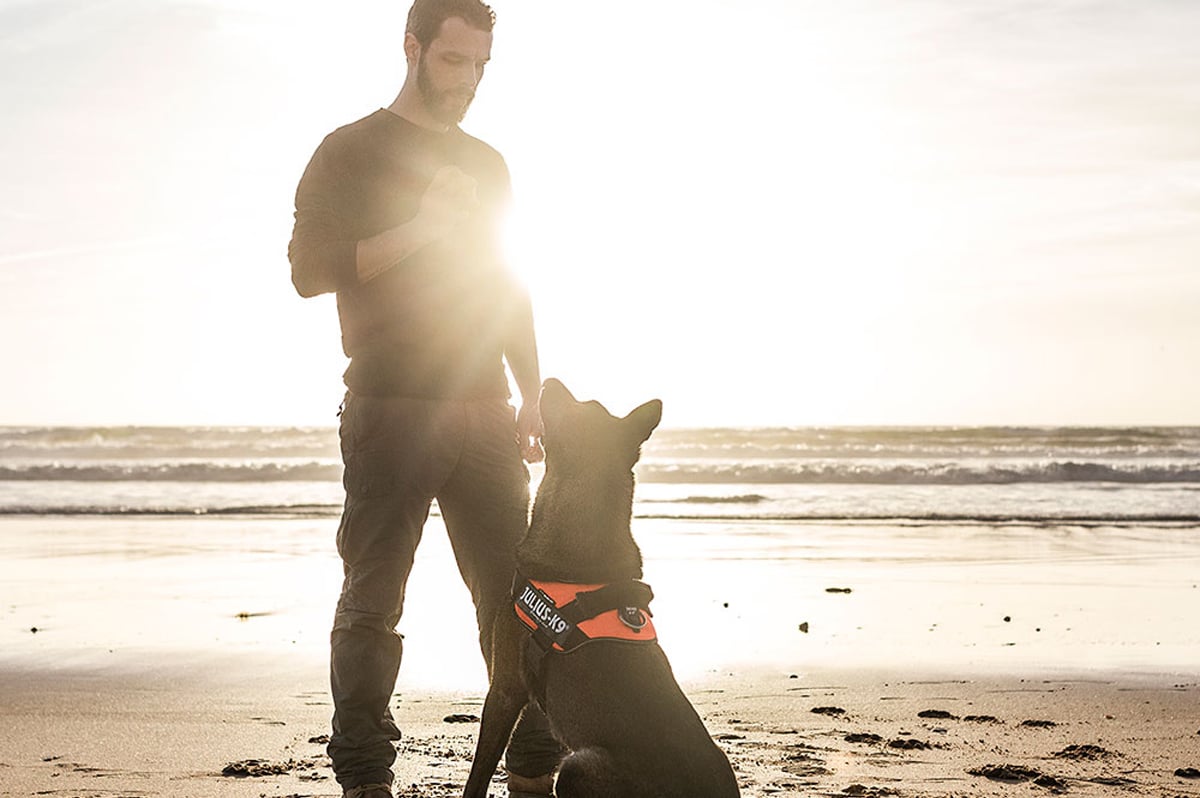
1st group dog breeds
- Shepherd dogs:
- German Shepherd
- White Swiss Shepherd
- Beauceron
- Briard
- Picardy Shepherd
- Pyrenean Shepherds
- Dutch Shepherd (Short-Haired, Wire-Haired, Long-Haired)
- Border Collie
- Belgian Shepherd Dogs (Groenendael, Laekenois, Malinois, Tervueren)
- Collie (Short-Haired, Long-Haired)
- Australian Kelpie
- Puli
- Cattle dogs:
- Bouvier des Ardennes
- Australian Cattle Dogs
- Bouvier des Flandres
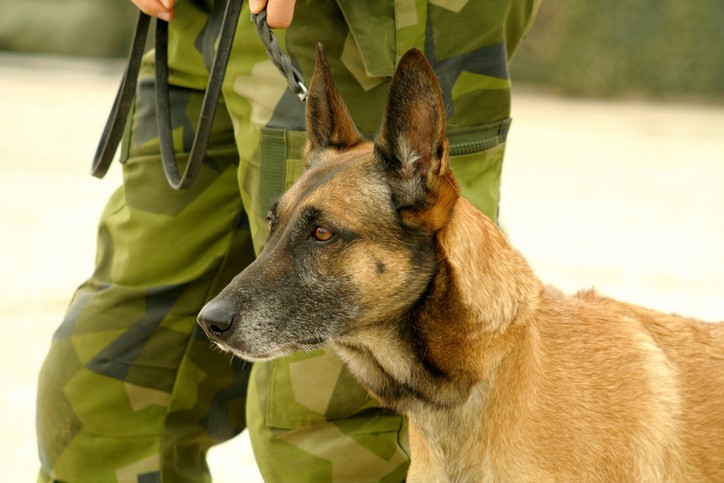
2nd group dog breeds
- Boxer
- Cane Corso
- Dobermann
- Dogo Canario
- Majorcan Mastiff
- Fila De San Miguel
- Hovawart
- Rottweiler
- Giant Schnauzer
- Black Russian Terrier
3rd group dog breeds
- Airedale Terrier
First category non-LOF dogs are prohibited.
"Neither reckless nor unconscious, he has confidence in himself and in his handler."
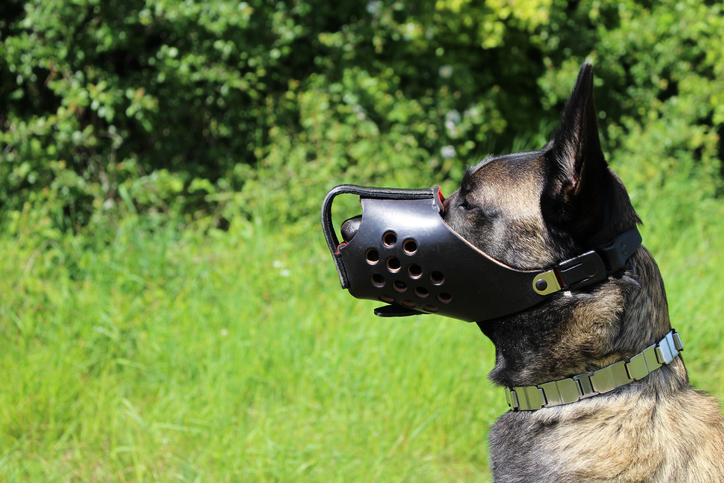
The Belgian Malinois Shepherd, defensive and offensive qualities...
The Belgian Malinois Shepherd and the German Shepherd are working dogs favored by the army, police and gendarmerie. They rank first among the most used dogs for searches and interventions worldwide. Effective, they are endowed with immense potential due to their highly developed sense of smell, but also to their lightning-fast understanding and their morphology adapted to all types of terrain in the context of even very perilous missions.


-
![Over 200 brands At the best price]() Over 200 brands At the best price
Over 200 brands At the best price -
![Secure payment In 3 or 4 interest-free installments]() Secure payment In 3 or 4 interest-free installments
Secure payment In 3 or 4 interest-free installments -
![Delivery across Europe As soon as possible]() Delivery across Europe As soon as possible
Delivery across Europe As soon as possible -
![Customer service Monday to Friday]() Customer service Monday to Friday
Customer service Monday to Friday


