The best equipment for pros and enthusiasts alike











-35%
 Professions
What are the official logos and designations that attest to the quality and origin of French food products? The national institute of origin and quality (INAO) is the organization responsible for ensuring the recognition of official identification signs of quality and provenance of food products. These products are of agri-food, agricultural or forestry nature and do not concern wines, spirits and flavored beverages. Today, it is estimated that around 10% of French farms have at least one production under PGI (Protected Geographical Indication), Red Label or AOC (Controlled Designation of Origin) / AOP (Protected Designation of Origin). But how do these different food labels work?
Summary:

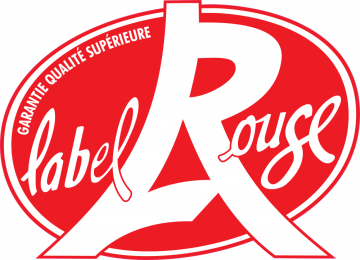
Among the national quality labels, the Red Label rewards products whose production or manufacturing conditions reach a superior quality level compared to other similar commercialized products. It concerns foodstuffs as well as agricultural products that are non-food and non-processed. The quality level is evaluated against specific criteria that are set in specifications approved by interministerial decree. The Red Label logo allows consumers to easily recognize selected products. There are still more than 400 Red Labels already approved.
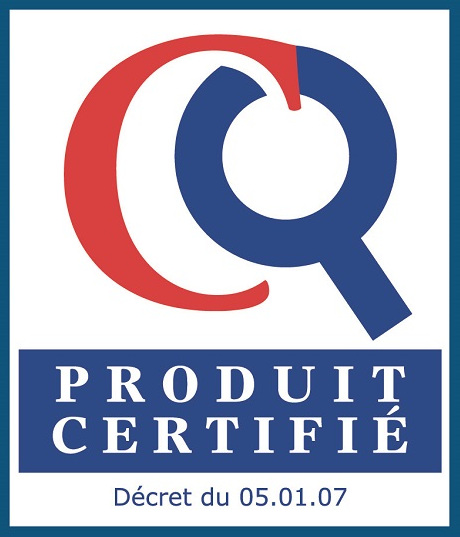
The Product Conformity Certification (PCC) is also part of the national food labels managed by the Ministry of Agriculture. It is recognizable by the Certified Product logo and guarantees compliance with certain very specific characteristics that distinguish the product concerned from other standard products. The list of registered certifications can be consulted on the Ministry of Agriculture website.
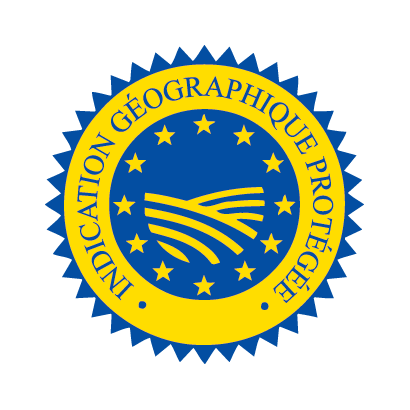
The 4 European quality signs are:
Linked to the notion of terroir, the Controlled Designation of Origin (AOC) - or AOP in Europe - labels products from agriculture, whether processed or not. The production method, the origin of raw materials as well as the techniques of know-how are taken into account.
The Protected Geographical Indication (PGI) is based on specifications that are less demanding than the AOC label and concerns a well-defined geographical area. The artisanal products that benefit from it highlight their origin in their designation. This is the case, for example, with Marseille soap, Bayonne ham or Limoges porcelain.
The Traditional Speciality Guaranteed (TSG) concerns only foodstuffs. The manufacturing and processing methods must be traditional in order to emphasize the ancestral character of the know-how used. Example: mozzarella in Italy or rope-grown mussels in France.

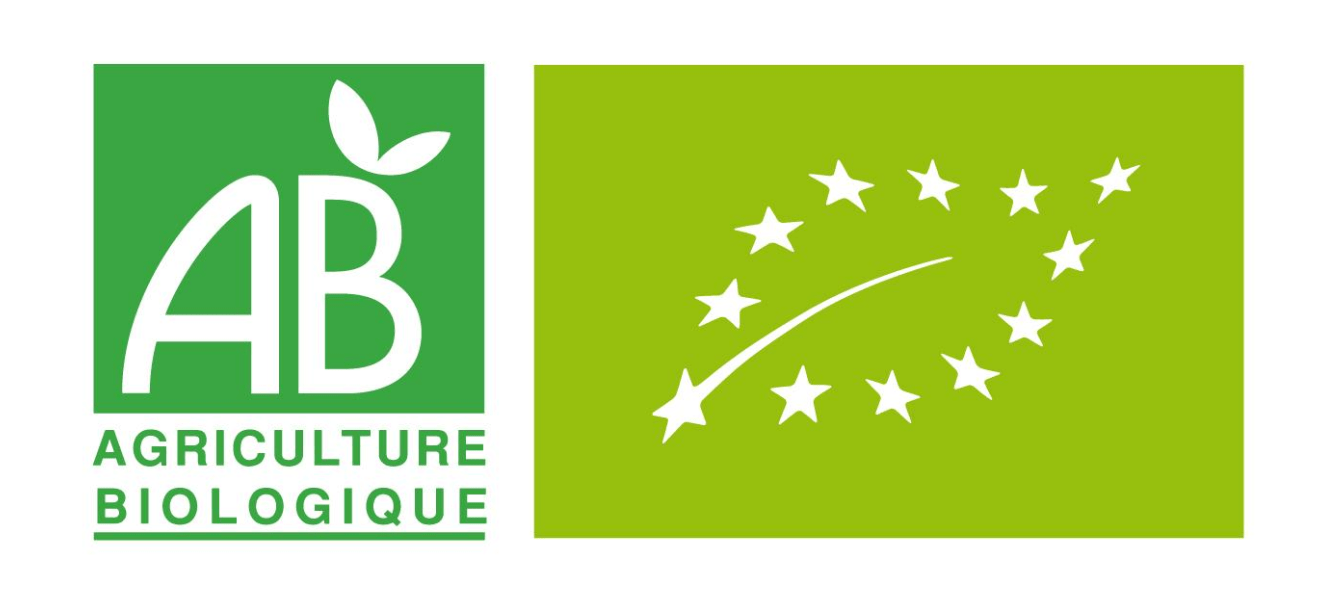
Organic farming must be based on non-polluting processes and production methods that are respectful of the environment and the ecosystem. The use of GMOs is prohibited, as are pesticides and synthetic chemical fertilizers. Concerning animal welfare, decent breeding conditions are also required. The objective is to establish a sustainable agriculture management system through the preservation of natural environments and their biodiversity. To obtain the right to use the term "organic" in a product name, it must contain at least 95% certified organic agricultural ingredients.
The valorizing mentions group together several national or European denominations supervised by public authorities and controlled by the DGCCRF (General Directorate for Competition, Consumer Affairs and Fraud Control).
Among the existing valorizing mentions, we find:
Although these labels and quality signs are supposed to guarantee exemplary products, several analyses published notably by Greenpeace France and UFC-Que Choisir have had the opportunity to point out certain flaws in the established system. These investigations show that a significant proportion of these products should not benefit from official labeling and call for a revision of certification conditions.