The best equipment for pros and enthusiasts alike





 Professions
Whether for a day hike, a multi-week trek, a bivouac or a bushcraft outing, choosing the right stove is essential. A bad choice and your entire nutrition system suffers. To take no risks and enjoy your next outdoor outing to the fullest, follow our advice for choosing your stove well.
Table of Contents:
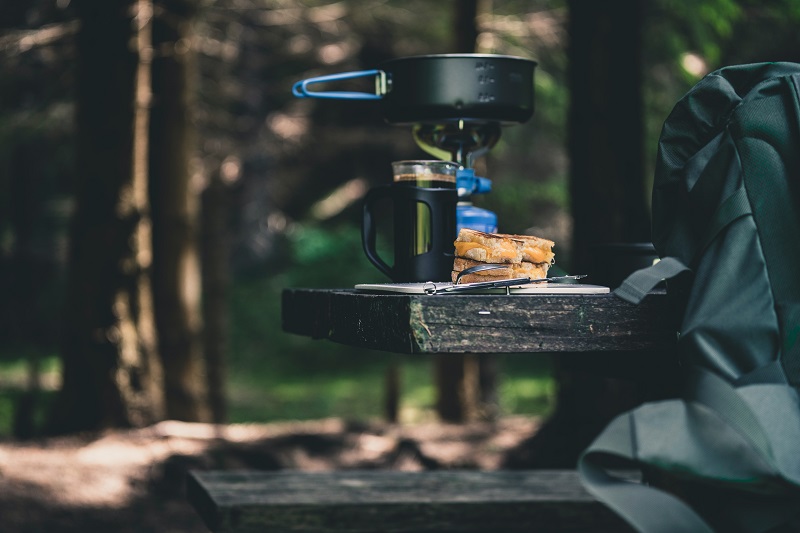
The gas stove is the most common and most used of all hiking stoves. However, it has some disadvantages. If you travel abroad for example, you cannot take your gas cartridge on the plane. This system is also not the most advantageous at high altitude or in cold weather conditions.
Furthermore, be careful to choose a stove compatible with international gas cartridges, in other words threaded valve cartridges. Indeed, if you leave with a stove for Camping Gaz valve cartridges, know that they will not necessarily be easy to find in the country you are visiting. Therefore, if you often travel abroad, it may be preferable to opt for a stove compatible with both systems or to bring an adapter.
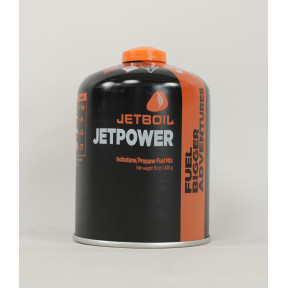
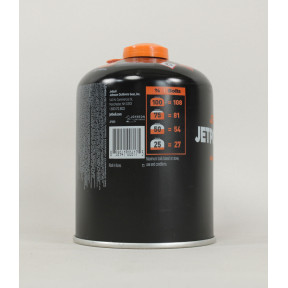
Regarding gas cartridges, you must also be careful to choose the one that will best suit your outdoor adventure. Indeed, inside a canister, we find several liquefied petroleum gas (LPG) mixtures. Butane, for example, is less efficient at negative temperatures since its boiling point is only -1°C. This is why it will be preferable to opt for a mixture with propane whose boiling point drops to -42°C for your winter expeditions. The ultimate in energy efficiency in cold weather remains a mixture of butane with propane and isobutane which reduces the vaporization temperature to -11.7°C. This is the type of mixture most commonly found in "4-season" type gas cartridges.
Advantages: simple to use, heating power, reliable cartridge packaging, operation in the rain
Disadvantages: compatibility abroad, operation at altitude, in low temperatures or with wind, waste creation
Ideal activity: hiking, bivouac or camping during summer in France
Our recommended product: the Jetboil Micromo 0.8L stove with integrated pot support and windscreen.
The gasoline stove is the opposite of the gas stove. Its main asset is fuel availability. Anywhere in the world, you will find gasoline. This type of stove works equally well with special stove gasoline as with car gasoline, kerosene or lamp oil. This stove system is ideal for long expeditions and particularly at high altitude and/or in cold conditions. However, maintenance and use are more complex than the gas stove. Another advantage is also weight optimization. Indeed, by precisely calculating the quantity of liquid fuel needed, you can significantly reduce the weight and bulk of your cooking system.
Advantages: use in extreme conditions, fuel availability, weight optimization
Disadvantages: requires preheating, rigorous maintenance essential, risk of fuel leakage.
Ideal activity: long-duration expeditions, at altitude or in cold conditions, foreign travel or multi-destination trips.
Our recommended product: the Fire dragon solid fuel made from natural biofuel.
Economical and simple to use, the alcohol stove requires less maintenance than the gasoline stove. Again, 90° alcohol is easy to find anywhere in the world, which gives it a definite advantage. Where it falls short compared to previous stoves is in heating power. You will need more patience to heat water. Moreover, it is difficult to "adjust" the power. With the alcohol stove, we advise you to always carry a backup reserve, as it can be easy to run out of fuel at the end of a trek depending on the temperatures encountered and altitude.
Advantages: Economical, easy to use, fuel easy to find anywhere in the world
Disadvantages: risk of fuel leakage, low power, slow to start
Ideal activity: to be used for heating only small quantities of water, ideal for a single person who only wants to rehydrate meals.
Our recommended product: the TAC-Boil foldable windscreen which will allow you to improve the speed and heating power of your alcohol stove while saving fuel.
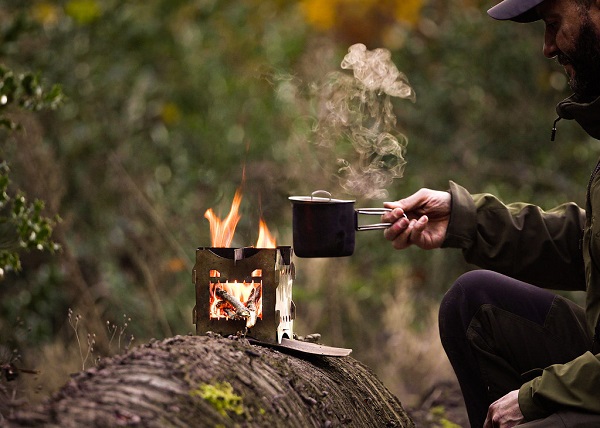
The wood stove is the most natural cooking system, but perhaps also the least versatile and most difficult to master. You need to know what type of wood to use, but also how to manage the fire's power in order to achieve perfect mastery of cooking your meals. The wood stove will nevertheless delight bushcraft and survival enthusiasts carrying out their outings in wooded environments. Indeed, these models are both compact, lightweight and allow long autonomy since fuel is abundant along your route!
Advantages: economical, autonomy, ecological
Disadvantages: power adjustment, use in wooded regions, sometimes complicated ignition
Ideal activity: hiking, bivouac and camping in wooded areas
Our recommended product: TindersStick 200g fire starter sticks from Light My Fire
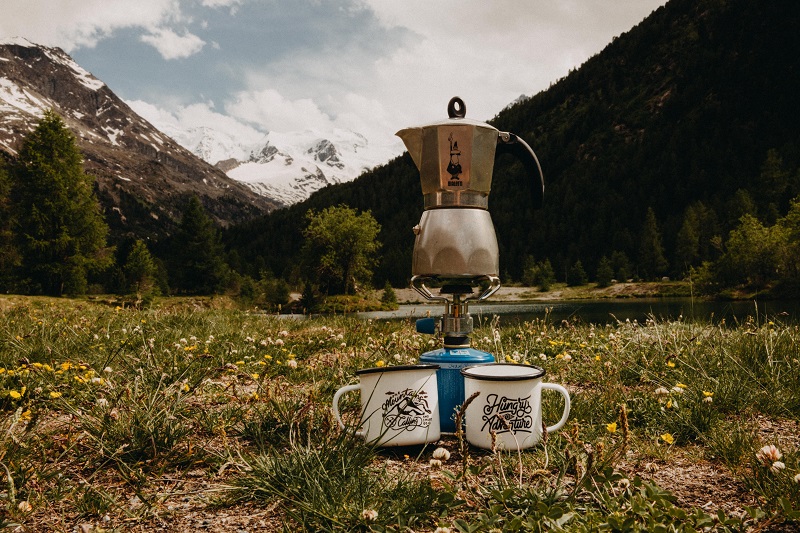
This stove can be used equally well with liquid fuel as with gas cartridges. It is ultra-versatile. Ideal for long hikes where you gradually climb in altitude. It contains the best of both worlds. The only disadvantage we could find is its weight and bulk. In fact, since it allows the use of all fuels, the multi-fuel stove is necessarily heavier and more imposing.
Advantages: versatility, power,
Disadvantages: more expensive to purchase, bulkiness, rigorous maintenance
Ideal activity: bushcraft, bivouac, camping, trekking, hiking, etc.
Our recommended product: the Fire Dragon foldable multi-fuel stove
On vetsecurite.com, discover a wide selection of stoves, fuels, gas cartridges, windscreens, tripods and other useful accessories for bivouac, survival, bushcraft and hiking.