 The best equipment for pros and enthusiasts alike




-
 Professions
-
-
-
-
-
-
-
-
All Tops
![All Tops]()
-
-
-
All Bottoms
![All Bottoms]()
-
-
-
All Footwear
![All Footwear]()
-
-
-
All Bags
![All Bags]()
-
-
-
All Accessories
![All Accessories]()
-
-
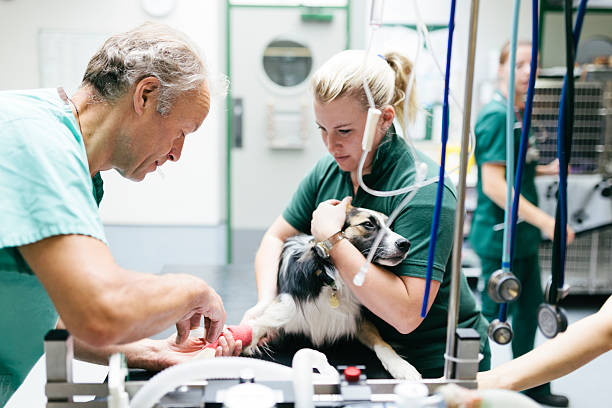
Many young people passionate about animals consider one day practicing the profession of veterinarian. But this is not a path to embark on lightly. As a specialist in animal care, the veterinarian comes from a long-term journey that requires as much passion as determination. Let's see what the profile of this specialist is and what steps aspiring veterinarians have to overcome.
Table of Contents:
A profession with multiple faces
Depending on the environment in which they work, veterinarians practice a profession that is much more diversified than it appears. While we first think of city veterinarians who take care of all kinds of companion animals in their practice, there are actually many other veterinarian profiles essential to animal welfare.
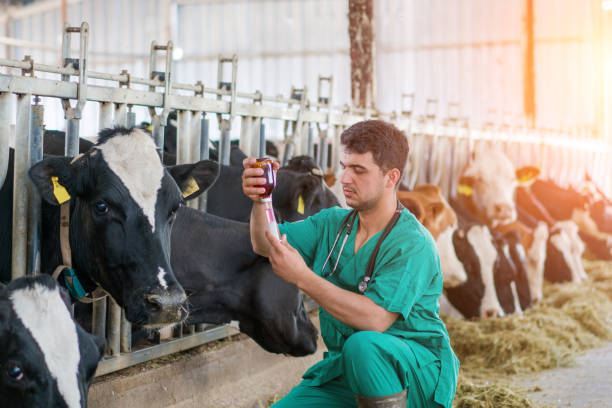
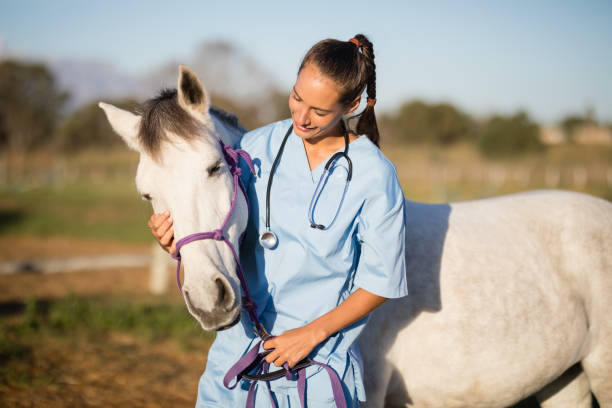
In rural environments, these professionals specialize in livestock animals and intervene directly on farms to prevent and treat diseases, perform vaccinations and deworming, or address issues of hygiene and nutrition for livestock. They must also be ready to euthanize an animal when the situation requires it and know how to be tactful when communicating with owners. The role of the equine veterinarian goes further by approaching sports medicine since it involves not only ensuring the horse's good health, but also, in case of injury, its rehabilitation through physiotherapy techniques that will allow it to regain its full physical capabilities. They are simultaneously a doctor, surgeon and sometimes dentist. The veterinarian must be able to ensure the animal's follow-up throughout its life or in case of emergency.
Veterinarians are also occasionally directly attached to the agri-food industry or pharmaceutical laboratories. They then play a role in the design of medications or products intended for animal consumption. Others are public veterinary health inspectors and work for the Ministry of Agriculture as category A civil servants. Among the least obvious profiles, we must not forget the military veterinarians attached to the armed forces health service. Recruited from state-qualified veterinarians, they practice in France or on external operations and are responsible for caring for military and gendarmerie animals such as dogs and horses. There are approximately 70 career and contract officers, including 20 female officers.
As for wild animals, they are cared for by veterinarians working in nature reserves or zoological parks. These wildlife specialists are sensitized to the conservation of endangered animals, species reintroduction, and environmental preservation. They must possess solid skills in ethology and animal biology.
The path to follow
In order to obtain the state diploma of doctor of veterinary medicine (DVM), it takes between 5 and 7 years of preparation after high school and following a curriculum in a national veterinary school (NVS). These schools are based in Lyon, Toulouse, Nantes and Maisons-Alfort and are accessed through competitive examinations. The veterinary doctoral thesis must be defended during the fifth year. Specializations can be pursued by veterinary students up to graduate level +8 and +9 years. The veterinarian can then decide to work as an employee or independently in a private practice. Since the market is relatively saturated in cities (much less so in rural areas), it may be necessary to start with temporary replacements, then partner with an already well-established veterinarian to share costs before managing to find one's own clientele.
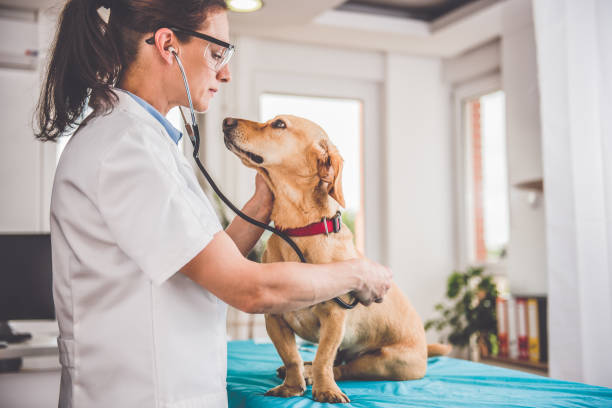
What equipment and attire to choose?
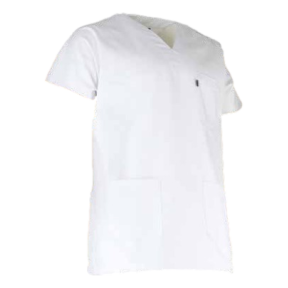
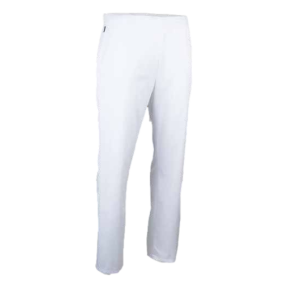
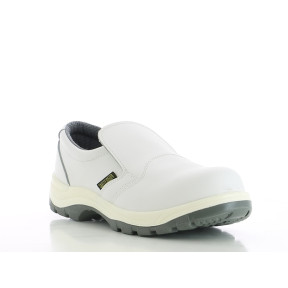
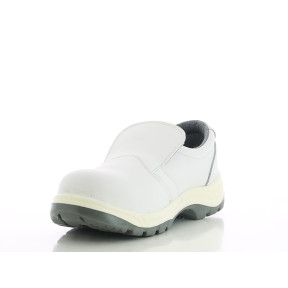
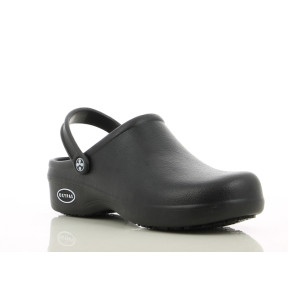
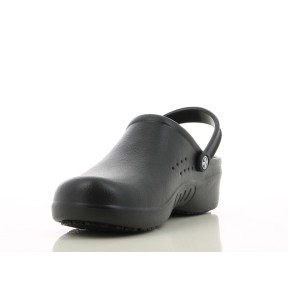
The veterinarian's attire is similar to that of other medical professions. It includes the essential tunics and coats with long or short sleeves, not forgetting the medical pants to be paired with appropriate shoes such as clogs. When required to perform surgical procedures, the specialist must equip themselves with accessories such as protective gloves, a mask, a surgical cap and an over-gown. Brands specialized in medical clothing and accessories (such as SNV, Nordways, Lafont or Hasson) offer a wide variety of medical attire suitable for veterinarians.

Related products
Related articles




Pet Shop Salespeople: What assets do they have to care for our animals?
Read the article
-
![Over 200 brands At the best price]() Over 200 brands At the best price
Over 200 brands At the best price -
![Secure payment In 3 or 4 interest-free installments]() Secure payment In 3 or 4 interest-free installments
Secure payment In 3 or 4 interest-free installments -
![Delivery across Europe As soon as possible]() Delivery across Europe As soon as possible
Delivery across Europe As soon as possible -
![Customer service Monday to Friday]() Customer service Monday to Friday
Customer service Monday to Friday


