The best equipment for pros and enthusiasts alike



-15%
 Professions
Just like the profession of gendarme, the firefighter profession opens the door to numerous operational specialties. After several years of service, firefighters can decide to specialize. But to hope to join these units, they will first have to face fierce internal selection and undergo demanding training.
While the daily missions of firefighters focus primarily on victim rescue (about 80% of interventions), certain units are specially trained to intervene in very specific situations. Let's discover together the main operational specialties of firefighters.
Contents:
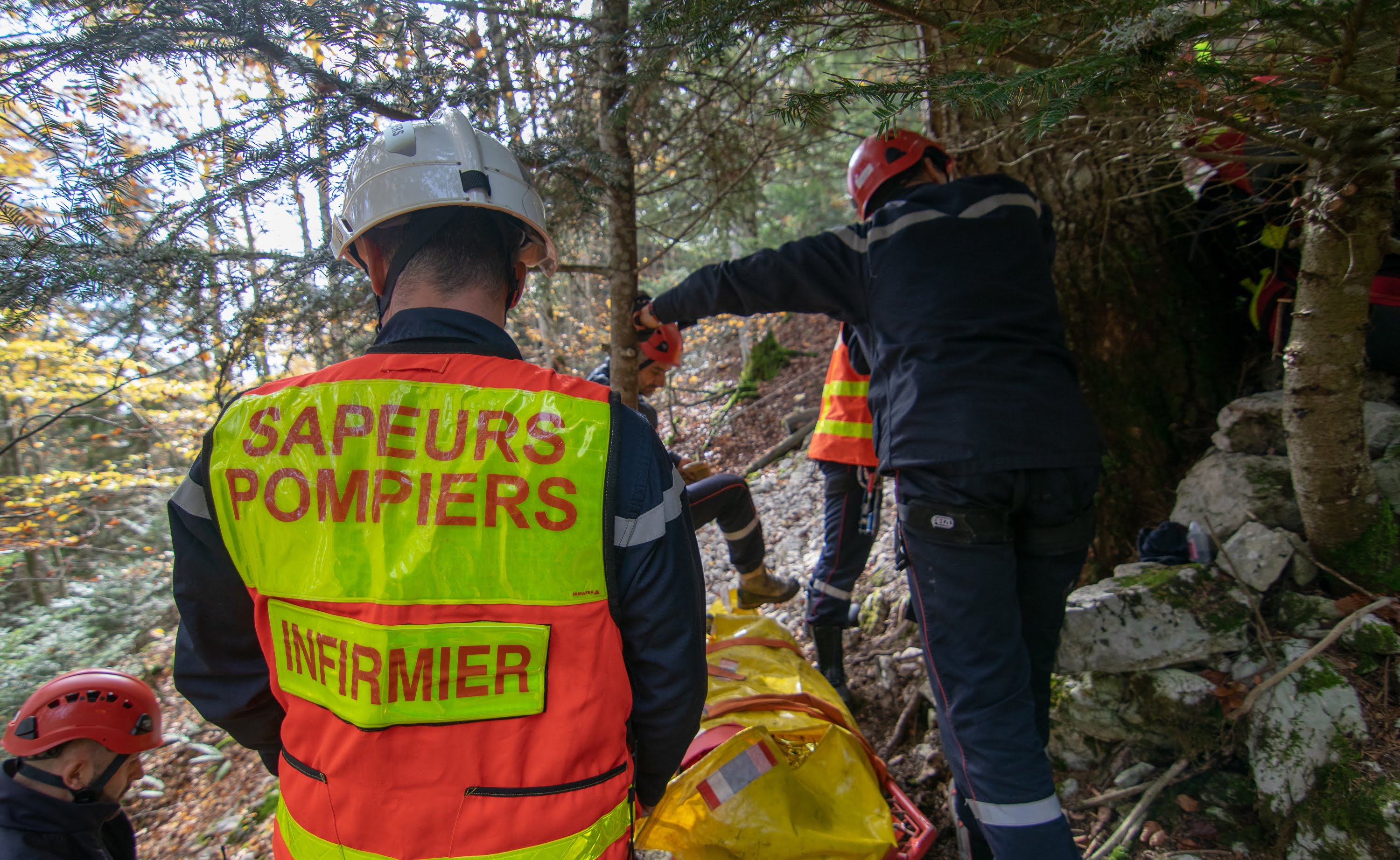
This unit is composed of the hazardous environment intervention group (GRIMP) as well as the urban search and rescue group (USAR). These units intervene when traditional firefighter means are not adapted or sufficient. This can be due to height, depth or difficulty of access to locations. They are also the ones specialized in helicopter winch operations. They master techniques traditionally used in mountaineering or speleology. The marine firefighters of Marseille, for example, have a recognized and very effective hazardous environment intervention unit. The Marseille GRIMP thus has 4 vehicles for 85 people. This unit carries out several hundred interventions per year.
This unit is specialized in environments with vitiated atmosphere or on fire in natural or artificial sites, known for their complexity or narrowness. As its name indicates, these specialists are called for particularly long interventions. They may thus be required to intervene in the following environments:
underground parking lots,
tunnels,
ships,
underground stations,
underground quarries,
...etc.
For these interventions, firefighters are equipped with closed-circuit self-contained breathing apparatus.
The Nuclear, Radiological, Biological and Chemical (CBRN) risks specialty brings together two mobile units, one for chemical intervention (CMIC) and another for radiological intervention (CMIR). These specialists primarily carry out anti-pollution and/or decontamination missions: doubt clearance, leaks, accidental or malicious spills, industrial fires, toxic clouds, ...etc. Firefighters are not the only ones to have a special unit for CBRN risks. Indeed, the Army also has personnel specially trained for these risks in the 2nd dragoon regiment.
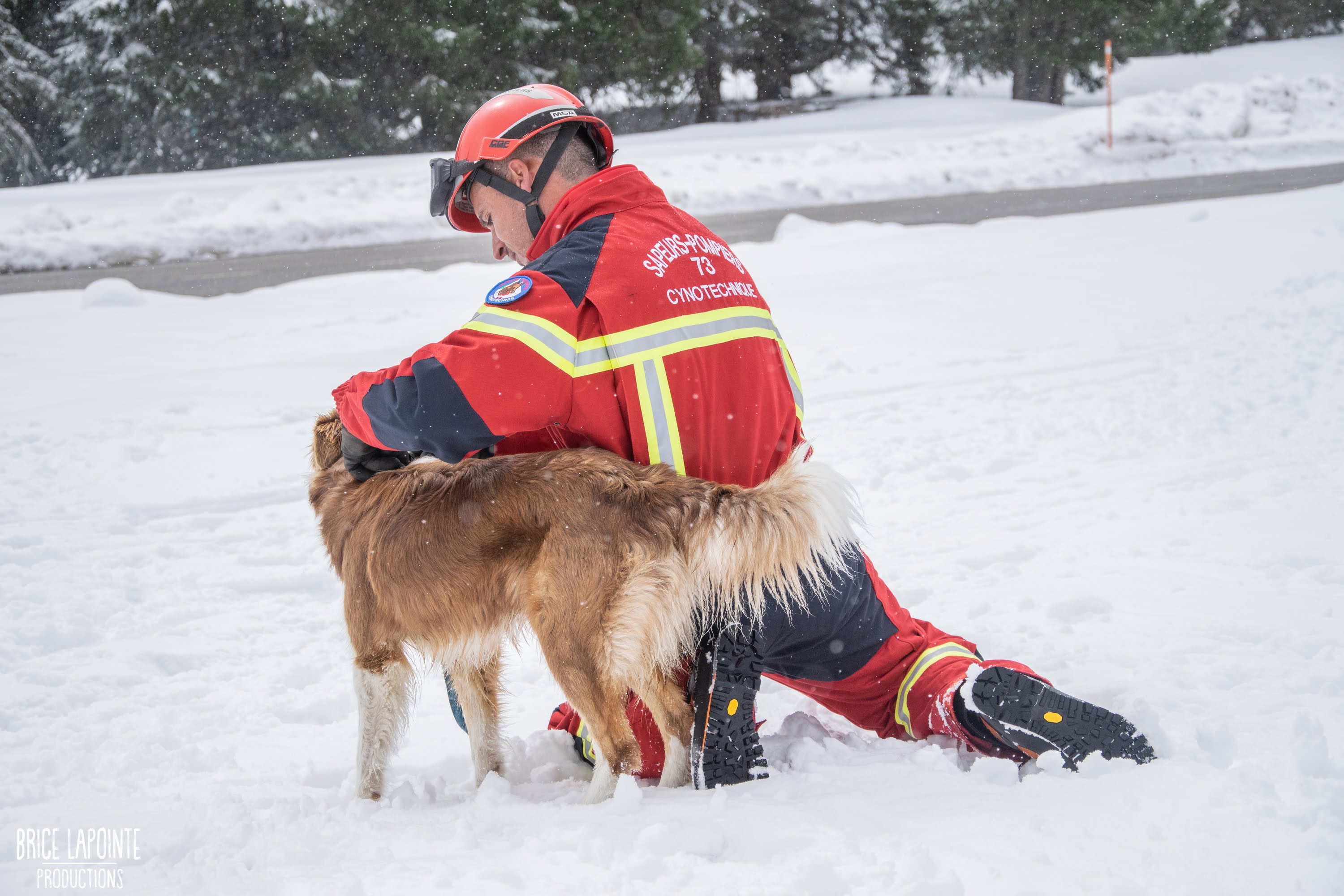
Composed of dog and handler pairs, the firefighter canine units are called upon to collaborate with rescue and debris removal teams for the search of buried persons. They are also essential for rescue and search of lost persons through tracking and questing. Thanks to their sense of smell, dogs intervene to detect and locate conscious or unconscious persons who do not have or no longer have the ability to make themselves known through noise or calls for help.
These specialists are also called upon for animal missions that require specific means and techniques: animal rescues, capturing dangerous or wild animals, ...etc.
Firefighter rescue and debris removal specialists intervene for reconnaissance, rescue and securing of collapsed environment sites (ground movements, building collapse, road accidents…). In collaboration with canine units, they are called upon to rescue buried victims.
This nautical component of firefighters brings together light autonomous divers (LAD) and firefighters trained in water rescue (WR). Firefighter nautical specialists are called upon to master a wide range of skills from boat operation, to rescue and search in aquatic or subaquatic environments and support during natural disasters such as floods.
Firefighter specialized units are constantly evolving. They merge or develop to keep pace with changing risks and techniques. Vetsecurite.com continuously adapts to the needs of these men and female firefighters. Find thousands of products from the biggest brands at the best price on our store.