The best equipment for pros and enthusiasts alike


 Professions
It's estimated today that 85% of occupational diseases are related to musculoskeletal disorders (MSDs). Muscle injuries and pain that could be avoided by adopting a better position in our workplace. They affect both the back and other parts of the body (head, neck, shoulders, wrists, etc.). Signs such as torticollis, a herniated disc, or cervical or lumbar pain should alert you to the need to improve your posture. But what are the right reflexes to adopt?
Table of Contents:

Many professions involve transporting heavy loads or other movements that are taxing on our backs, particularly in industry, crafts, or construction. Back pain can also result from work requiring a prolonged standing posture or driving a vehicle or construction equipment. Few professionals don't suffer, at one time or another in their career, from more or less acute back problems.
In the context of physical work, good knowledge of the postures to adopt is essential to avoid becoming a victim of musculoskeletal disorders (MSDs) that quickly become disabling. To preserve the proper integrity of your muscles when lifting a heavy load, you must avoid twisting movements at all costs. Get as close to the object as possible by positioning yourself directly in front of it so that your spine remains fixed. Squat down without leaning too far forward and frame the load with both feet. Without necessarily using your knee for support, take a breath and lift the object gradually while keeping your arms extended between your legs. The load should remain as close to your body as possible.
If your work requires you to maintain a prolonged standing posture, which is the case for many occupations, particularly in material handling, the risks are just as high. It's the forward or sideways inclination of the torso that is generally the cause of back pain. You should therefore try to keep your back as straight as possible, in alignment with your head. Make sure to always maintain stable support on both legs by spreading them hip-width apart and remember to bend your knees fairly often. The goal is to distribute your body weight evenly across all your support points. It's advisable to take a few steps and stretch your muscles at regular intervals throughout the day. You should also know that there are anti-fatigue mats that can reduce the risks associated with prolonged standing at your workplace.

Even office jobs can cause pain, particularly back pain, which can be avoided by knowing the right gestures to adopt. First, make sure you have an ergonomic desk that you can adjust in height according to your size. The same goes for your office chair: an adjustable chair or armchair with armrests and a wide backrest whose height and depth you'll adjust as follows. Your screen should be located at arm's length in front of you (between 50 and 70 cm) and at eye level to allow you to maintain head stability in alignment with a perfectly straight back. Your arms and forearms should form a 90° angle. You should be well seated at the back of your chair and avoid crossing your legs, even if it means using a footrest.
Don't hesitate to optimize external parameters so you don't have to get closer to your monitor: increase the font size and work in a well-lit room rather than having to increase your screen brightness. At any time, you should be able to relieve your wrists by resting your arms on your desk. Your keyboard should not be more than 10 or 15 cm away from the edge of your table. It's also preferable to use a mouse rather than a touchpad (or trackpad) to avoid having to lean forward. Again, regular stretching of the back, shoulders, and legs is recommended.

If you're already suffering from lower back pain or other back pain conditions, start by avoiding repeating the movements that cause them. Consult a specialist if necessary to relieve the pain with painkillers or anti-inflammatory drugs and make an appointment with an osteopath or a physiotherapist to strengthen your back. Remember to equip yourself with a lumbar support belt before exertion. Don't forget that prevention of this pain through adequate postures can spare you much suffering that is often difficult to eliminate in the long term. Regularly practicing a sports activity such as swimming, cycling, or walking can help you face the challenges of your profession more serenely. You should also know that there are "gestures and postures" training programs available to employees to limit the risks of occupational diseases.

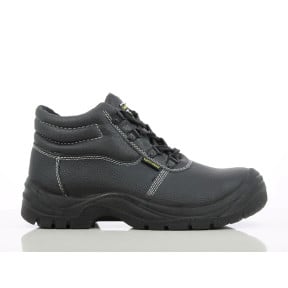
On vetsecurite.com, we offer a wide range of workwear products and PPE for professionals in numerous sectors of activity. Find our work clothing, safety shoes as well as an eco-responsible range at the best prices.