The best equipment for pros and enthusiasts alike








-30%
 Professions

The pharmacy is commonly known as the place where one can buy medications and health products. This term, however, refers to a much broader sector, with distinct and varied sub-domains within the pharmaceutical circle. The pharmacy is thus divided into five major areas: the pharmacy office, biology, the hospital, wholesale distribution and industry. The professions in pharmacy are then as multiple as they are different according to the missions of each specialty. Before focusing specifically on the profession of pharmacy technician, let us first mention the various professions in the pharmacy office.
Table of Contents:
The pharmacy office has as its main objective to make accessible the medications with or without prescription, health products or those for wellness. Office pharmacists are responsible for preparing client orders and also have an advisory role toward them.
A pharmacy office brings together several professions of which here is a brief summary.
- The licensed pharmacist who is the owner of the pharmacy office.
- The assistant pharmacist who assists the licensed pharmacist in their mission.
- The pharmacy technician whose role we will detail.
The pharmacy technician just like the pharmacist must be capable of performing several varied tasks. They prepare medication orders, advise clients and take care of inventory management. They are part of the indispensable assets for the proper functioning of a pharmacy office.
The pharmacy technician can operate in a pharmacy office, in a hospital or in the pharmaceutical industry. In the pharmacy office, they are more directly in contact with clientele. They must then combine listening skills and business sense.

The pharmacy technician, through their medical education, is qualified to dispense the different prescribed medications on a prescription to a client presenting themselves at the pharmacy. They are also capable of recalling dosages and administration methods. They are able to verify a dosage error or a contraindication for the patient by consulting the prescription.
The pharmacy technician can also perform different preparations upon client request. These over-the-counter treatments must be offered with the correct dosage. This parapharmacy activity including creams, care products, dietary supplements, and other medical equipment for free sale requires the expert advice of pharmacy technicians and pharmacists. The technician therefore has good knowledge of the different parapharmacy products offered within the pharmacy office to properly guide clients toward products corresponding to their needs and expectations.
To effectively maintain the pharmacy office, the technician must regularly check the stocking of the parapharmacy aisles. They also have the task of managing inventory of medications and parapharmacy products. They must be able to anticipate potential stock shortages and manage restocking with suppliers for products that require it. In inventory management, the technician must also check the expiration dates of products and medications available in the pharmacy office.
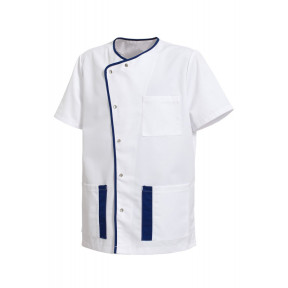
The practice of this medical profession in direct contact with clients requires impeccable hygiene. The choice of attire is then essential. The pharmacy technician will then be primarily dressed in a tunic or a medical coat. These are garments that offer excellent freedom of movement that can be equipped with practical pockets for pens or accessories. A lightweight pants with an elastic waistband will easily complete the ensemble.
Facing the smooth floors of the pharmacy office, work shoes or work clogs are indispensable assets. The different classes of the EN ISO 20347 standard provide anti-slip, antistatic, puncture-resistant or shock absorption characteristics. Concerning anti-slip standards, the choice can be made for a SRA pair. It is also possible to opt for SRC safety shoes for more complete protection.
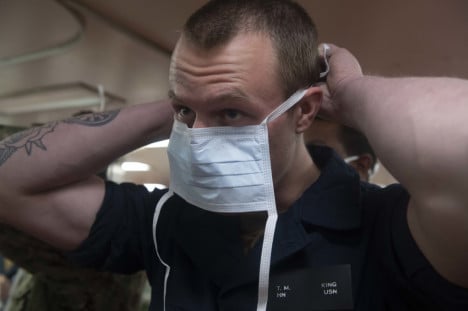
The direct contact with the client also requires the health precautions that a respiratory mask can offer. A choice that can range from a simple disposable surgical mask to a FFP3 filtering mask.
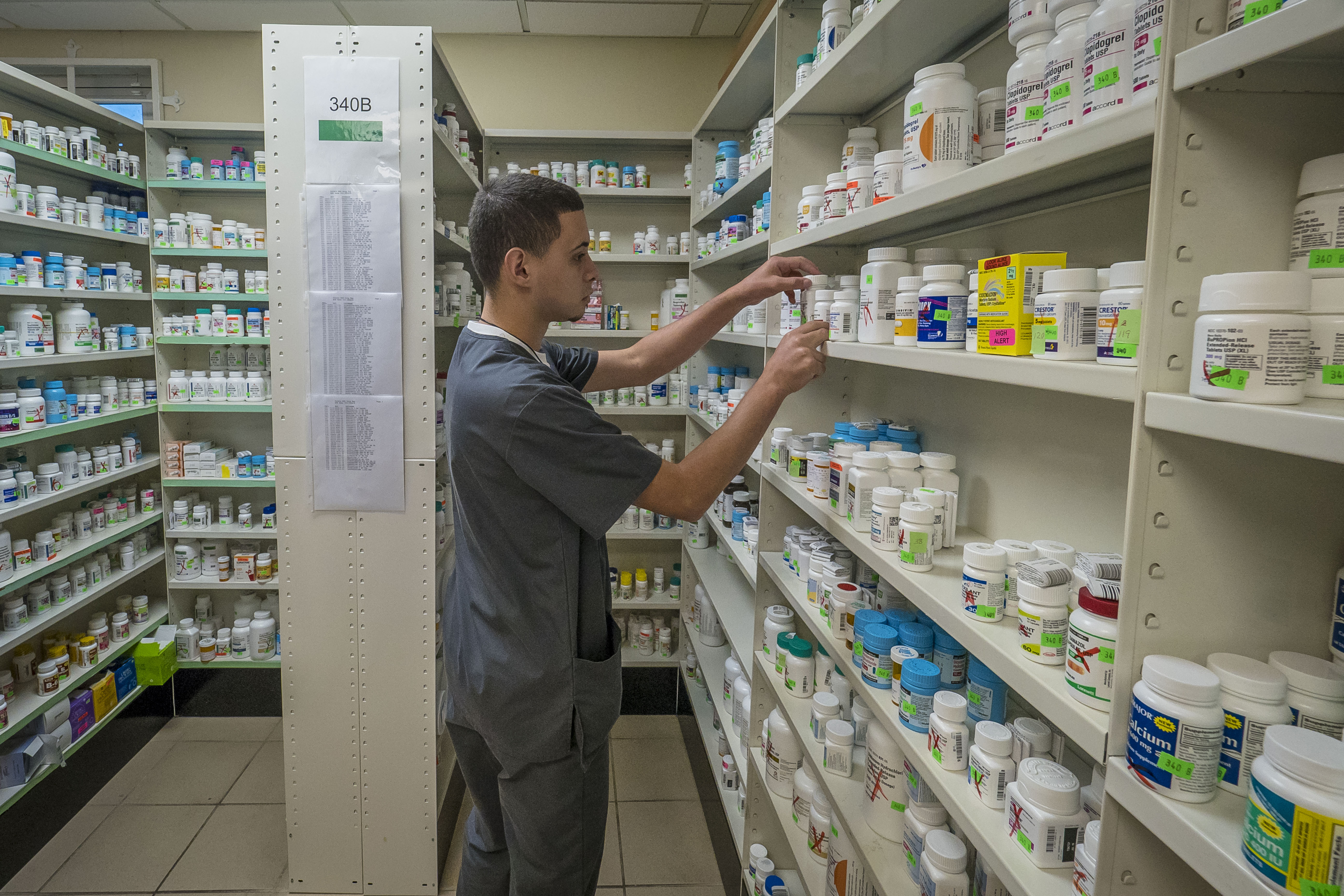
The pharmacy technician therefore fulfills an essential role for the public and their need for free access and facilitated access to medications. The listening skills and advisory abilities of the technician will allow them to best guide their clients toward appropriate care.