The best equipment for pros and enthusiasts alike


-15%
 Professions
The dog handler teams work on searching for prohibited products such as narcotics, weapons and explosives, in order to fight against trafficking. They are deployed by the customs administration to fight against fraud and have the mission to intervene according to service requirements.
Summary:
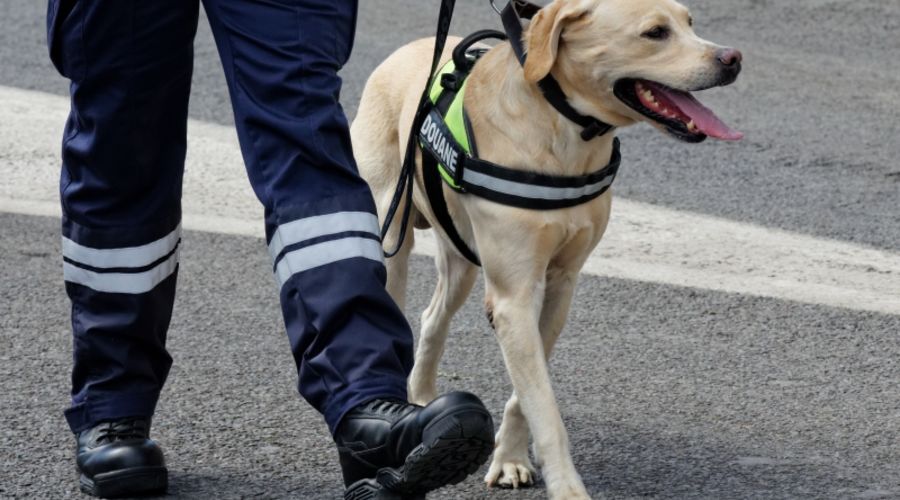
The dog handler's function is to determine the access and progression of the dog in control areas, to analyze goods, premises, luggage, means of transport and interpret the dog's markings. He also ensures the safety of controlled persons, third parties and the protection of property.
The dog handler intervenes in surveillance work, but also in commercial operations. He can also intervene at the request of other state services. He has a service obligation of five years in the control specialty, due to the nature of the verification he exercises.
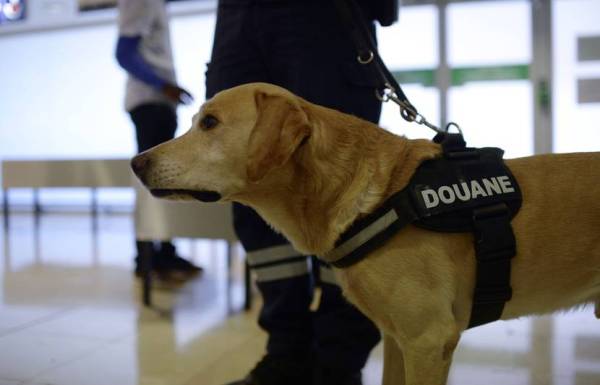
Candidates must previously pass a customs controller exam or customs enforcement agent exam and are recruited based on their application after favorable opinion from a selection committee.
For the recruitment of canine customs agents, they choose from category B or C agents, from the surveillance branch. Candidates must possess qualities such as availability, dynamism, an affection for dogs, calm and balanced behavior, a sense of responsibility and initiative.
Customs agents wishing to exercise the function of dog handler must register for an internal investigation and be selected to follow a specialist training at the National Customs School of La Rochelle.
Dog handler training takes place in two parts over a period of approximately one year. It includes animal training exercises and search techniques. The dog is entrusted by the administration to the future dog handler who is responsible for raising and training it according to the school's directives.
It includes animal training exercises and search techniques through play.
This video offers us a presentation of the dog handler profession within customs with the meeting of Rudy and Monk, a duo that is both very close and incredibly efficient. We see how they live together outside of work, the dog doesn't react like other dogs, he plays more easily with his handler than with his peers, given that training is synonymous with play for him. They live together 24/7, a choice made by customs to allow the two partners to forge very strong bonds. This complicity is very important, allowing the dog to follow his handler in all circumstances, even in the most difficult places to access. We also see how the preparation takes place for more efficiency and speed, the dog is trained through play with rewards. The video also shows us a field section with a search in a semi-trailer.