The best equipment for pros and enthusiasts alike

-80%
 Professions
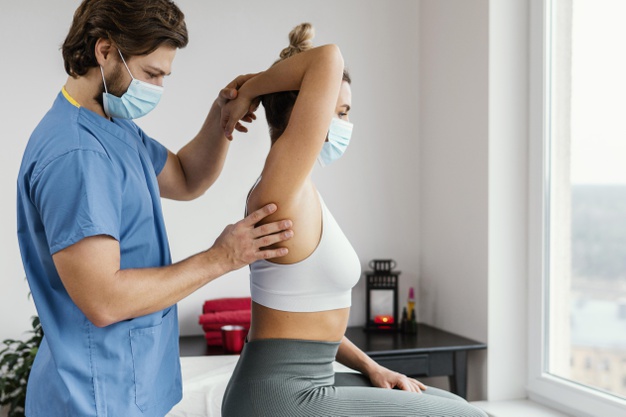
When suffering from muscle or joint pain, it is sometimes difficult to know which manual medicine is preferable to turn to. Often confused, the professions of physiotherapist, osteopath and chiropractor still differ on many points.
Summary:
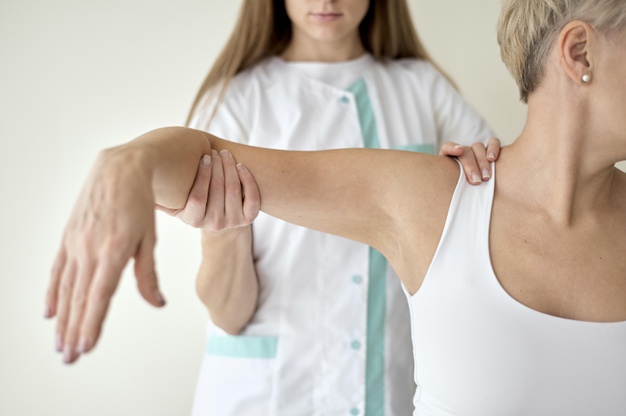
Founded in the United States more than a century ago, but recognized in France only since 2002, chiropractic, sometimes called chiropracty or chiropractice, is an alternative medicine aimed at improving a patient's health by working on the strength and mobility of joints. This specialist is generally called upon to solve problems related to the back or spine. The chiropractor intervenes by manipulating different parts of the patient's body to relieve them after establishing a diagnosis. This specialist in the neuromusculoskeletal system begins by locating different blocking points before seeking the cause and establishing a treatment method. It is through communication between the nervous system and the locomotor system that these manipulations make it possible to obtain results by performing joint readjustments. Treatments usually involve adapted physical exercises or, if necessary, a modification of the patient's lifestyle.
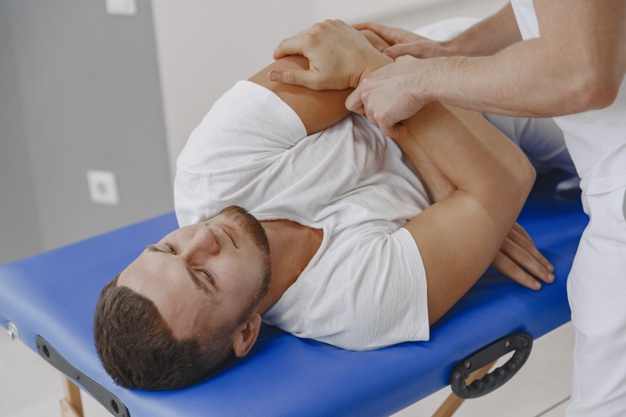
The chiropractor differs from the osteopath through a wider scope of action, since he can perform more manipulations to relieve pain of functional origin, but also pathological. This can concern tendinitis as well as lower back pain, sciatica, scoliosis, herniated discs, neuralgia, sprains or torticollis. He also claims internationally recognized training, which requires six years of full-time study.
With a less specific approach and therefore more global than the chiropractor, the osteopath has the mission to maintain or restore balance between the different structures of the body. His manipulations thus aim to resolve dysfunctions and blocking points in a part of the body to restore its full mobility. The osteopath only intervenes on problems of functional origin using stretching, pressure or mobilization techniques that depend on the nature of the pain to be treated. A patient can call on him to solve for example problems related to digestive disorders, for sinusitis and other ENT disorders, for insomnia, or again for neuralgia, lower back pain or back pain. The osteopath is not supposed to intervene directly on the cervicals. In terms of training, he must prepare a five-year diploma in an establishment approved by the Ministry of Health, or go through a university diploma in manual medicine-osteopathy.
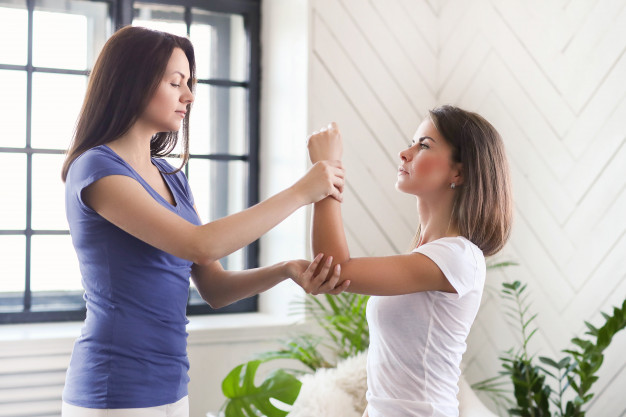
Specialist in motor rehabilitation for people with neurological disorders or paralysis, the massage therapist-physiotherapist also works with patients of all ages for respiratory or cardiovascular conditions. He proceeds using massages and manipulations on the affected area, based on a prescription from a doctor. Since the rehabilitation process generally takes place over time, he can define medical gymnastics exercises that the patient can perform, first under his supervision then alone, based on a doctor's diagnosis and examination of X-rays. His scope of action ranges from simple sprains to serious accident patients, including scoliosis, lower back pain, torticollis or muscle trauma. He can work in hospitals and rehabilitation centers, or privately, after 5 years of training.
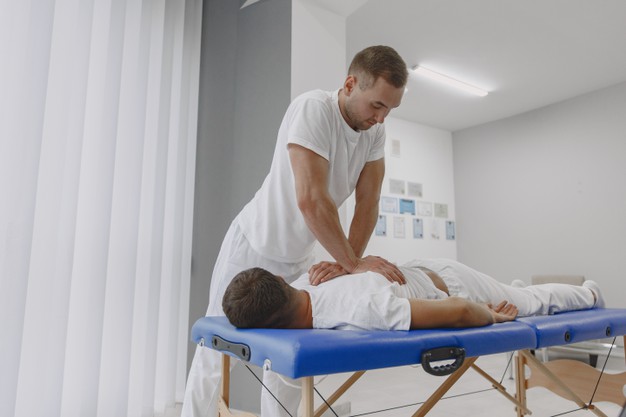
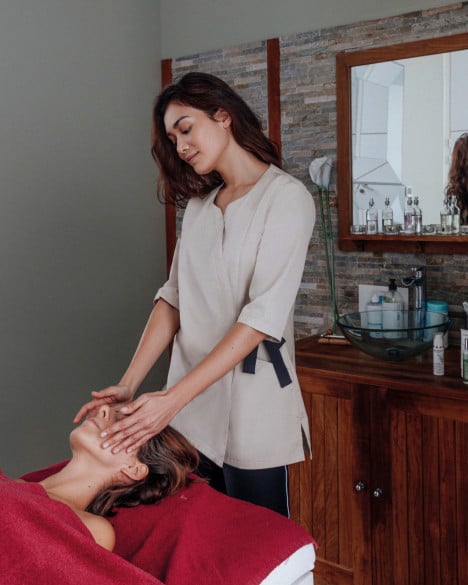
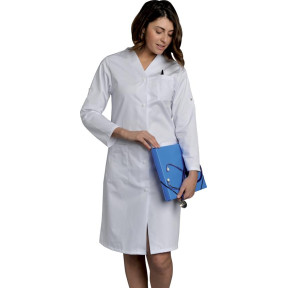
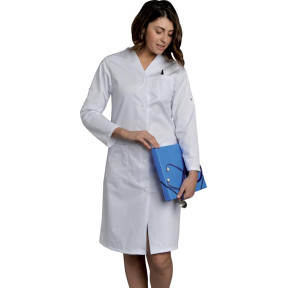
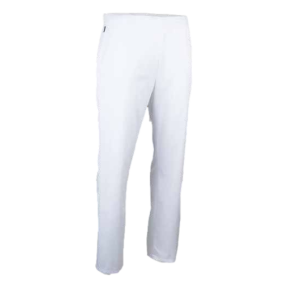
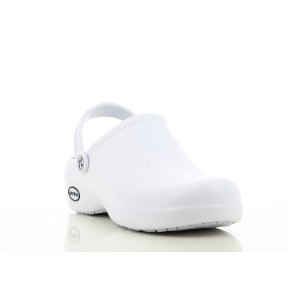
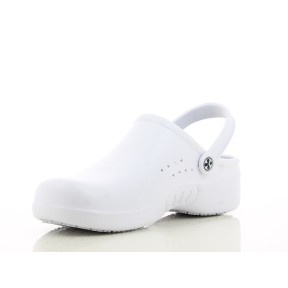
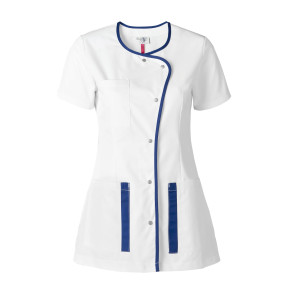
All these interventions involve long-term follow-up and are also accompanied by effective preventive treatments. In order to be comfortable in their movements, these medical professionals, care and wellness can turn to lightweight clothing such as medical pants with elastic waist, tunics with short or long sleeves, or work coats, accompanied by medical clogs or non-slip shoes. Hasson, SNV Pro, Safety Jogger, Crocs and other brands regularly offer new ranges of clothing that meet the requirements of these professions.