The best equipment for pros and enthusiasts alike





 Professions
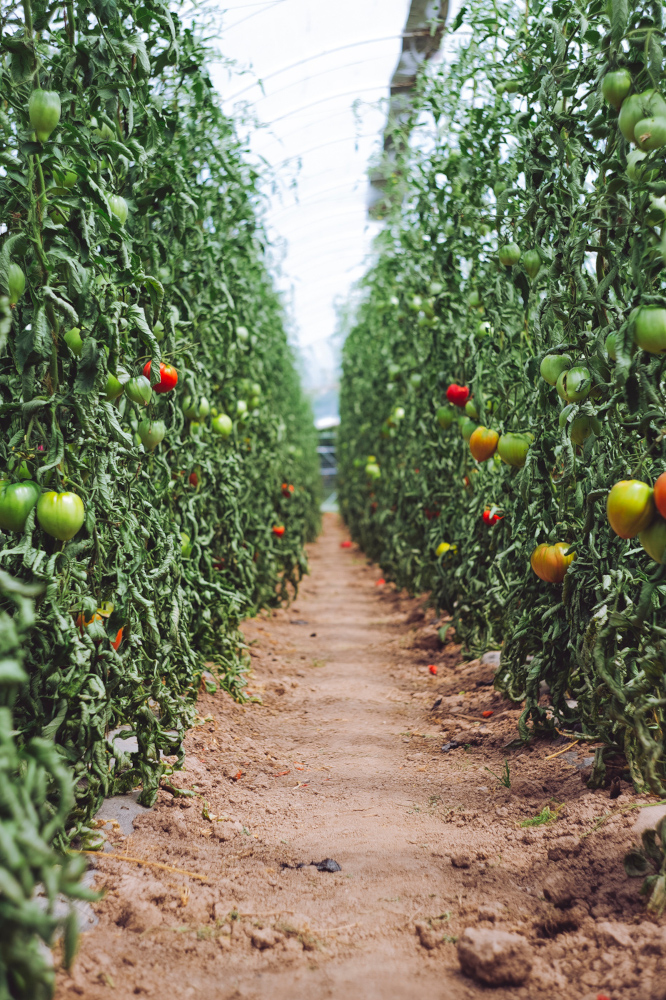
In the vast sector of agriculture, livestock farmers, market gardeners, winegrowers, arboriculturists and other professionals in the field face situations that require the best work clothing. Let's explore together what makes up the farmer's attire.
Summary:
The work coverall is the most characteristic garment of agricultural professionals. It is easily worn and covers the entire body for maximum protection against dirt or light mechanical risks. These garments combine comfort and freedom of movement, ideal for agricultural tasks. The double zip closures allow you to put on the outfit without having to take off your shoes, since both zippers run the entire length of the body down to the feet. It's a versatile and functional outfit that can be used year-round. It's even more practical when equipped with multiple pockets on the chest and elsewhere. In case of bad weather, a waterproof rain suit fulfills the same functions while also protecting from precipitation.
Winegrowers, arboriculturists, horticulturists, market gardeners and other agricultural craftsmen don't all face the same weather conditions and some have specific tasks depending on the seasons. As such, the worker's attire must adapt to these needs. For all these scenarios, several standards are able to classify and catalog the needs of farmers. The EN 343 standard defines protective clothing against rain, such as a hooded windbreaker. For cool climates, a softshell type garment cataloged under the EN 14058 standard will keep its wearer warm. In summer, a simple short-sleeved work polo will be ideal for working in the heat.
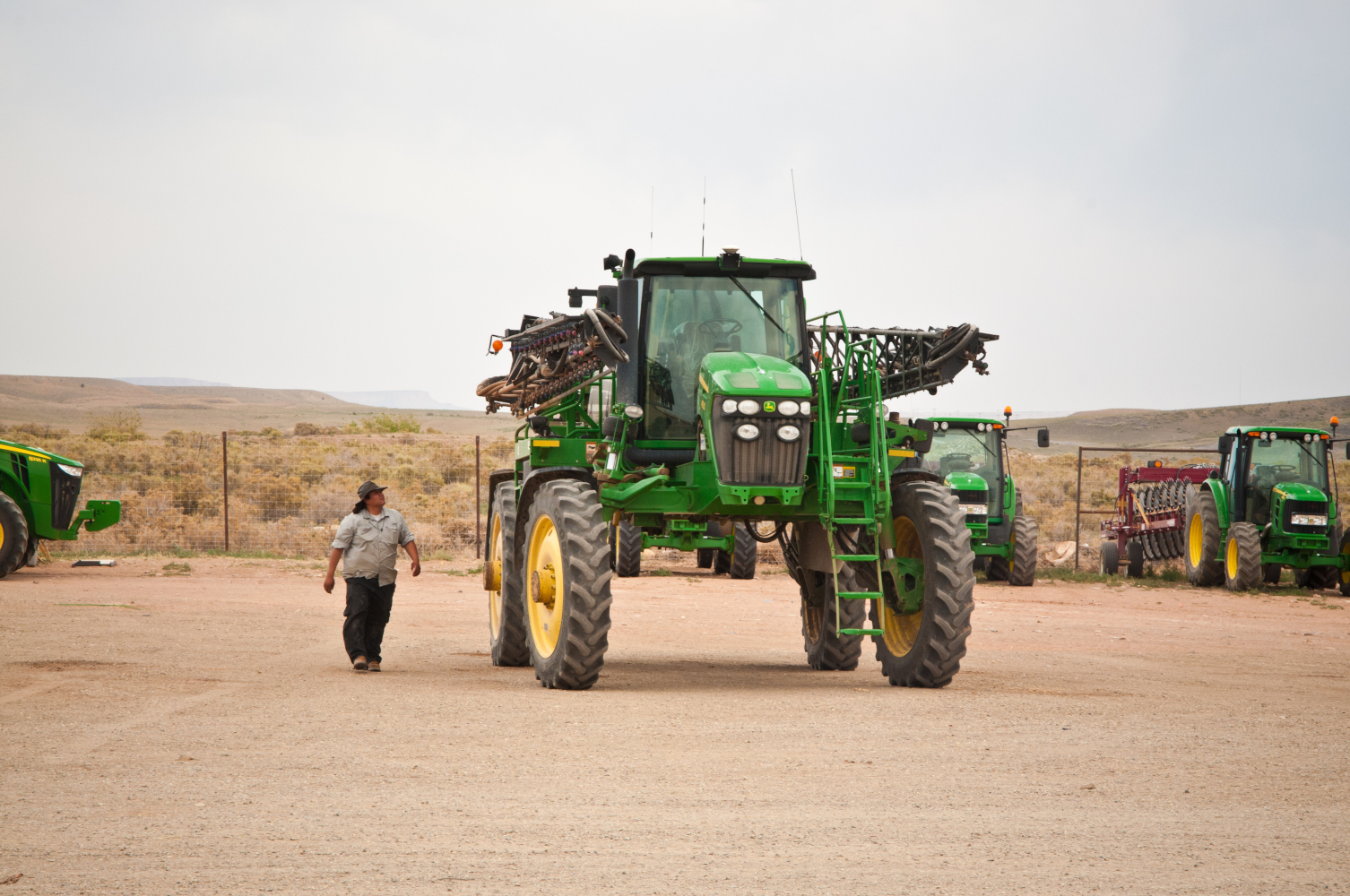
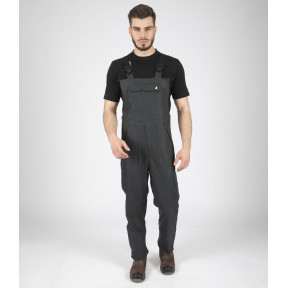
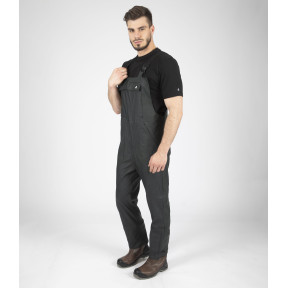
As common as the agricultural coverall, the work overalls present an equally reliable alternative. Just like coveralls, overalls also come in rain gear versions. Farmers can also opt for work pants that must be as robust as they are functional. For many activities that require working in a crouching position, pants equipped with slots for protective knee pads will be perfectly suited to prevent pain. The EN 14404 standard categorizes this type of pants designed to protect the knees which will find buyers among all harvest workers.
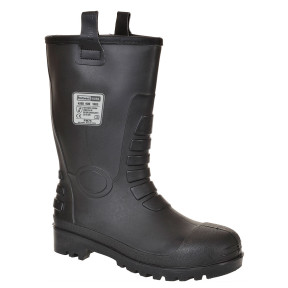
Walking across the most difficult terrain, farmers must wear robust shoes that are waterproof and slip-resistant. The EN ISO 20345 standard includes classes of S3 safety shoes and S5 safety boots that provide maximum protection for outdoor work. These types of shoes and boots are notably steel-toed to protect the toes, slip-resistant on muddy terrain and water-resistant for wet ground. For more specific environments such as aquaculture, waders will be more appropriate to stay dry when moving in submerged areas.
In addition to foot protection, the diversity of activities of agricultural professionals also calls for a diversity of work equipment. Among the multitude of PPE at their disposal, farmers can therefore choose from cut-resistant gloves and abrasions, safety glasses or even noise-canceling helmets.
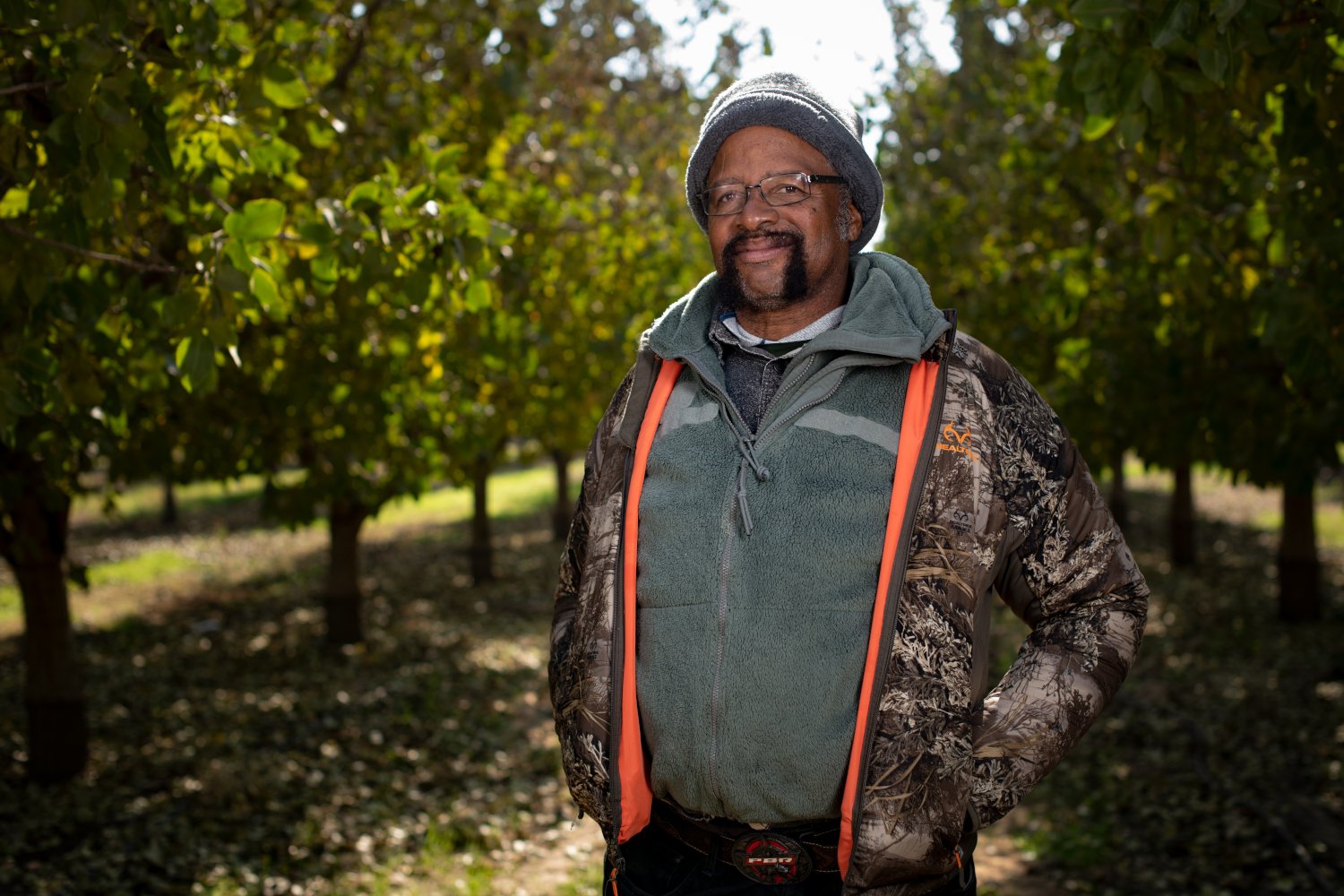
The farmer's attire is therefore not limited to the traditional work coverall and can take as many forms as there are trades in working the land, in crop maintenance and in livestock care. From head to toe, the attire must adapt as best as possible to the requirements of the agricultural worker.