The best equipment for pros and enthusiasts alike







-40%
 Professions

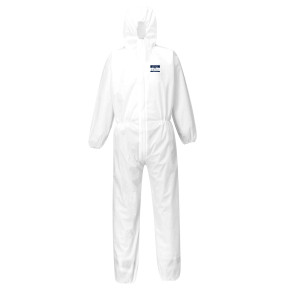
The European standard EN 13034 governs the requirements for work clothing to provide protection against liquid chemical substances. PPE (Personal Protective Equipment) compliant with this standard are cataloged as category type 6 and PB6. These are reusable garments with limited use that provide protection to workers exposed to light spraying, liquid aerosols or light splashes of chemical products. These garments include suits in 1 or 2 pieces or clothing protecting a certain part of the body (jacket, apron, sleeves).
Table of Contents:
Workers in contact with chemical products must have protection against splashes of dangerous products such as sulfuric acid, caustic soda, xylene or butanol. PPE under the EN 13034 standard offers limited protection and is suitable for environments where the risk of exposure to chemical products is relatively low, but still present. To avoid health risks, professionals who work in an environment that requires the handling of chemical risk products are thus concerned by wearing this type of PPE. We can cite chemical industries, pesticides, pharmaceuticals, cosmetic laboratories or industrial painting. The same applies to occupations exposed to chemical risks combined with fire or others such as petrochemicals, tank cleaning, industrial cleaning, refining, metal treatment or energy transport.
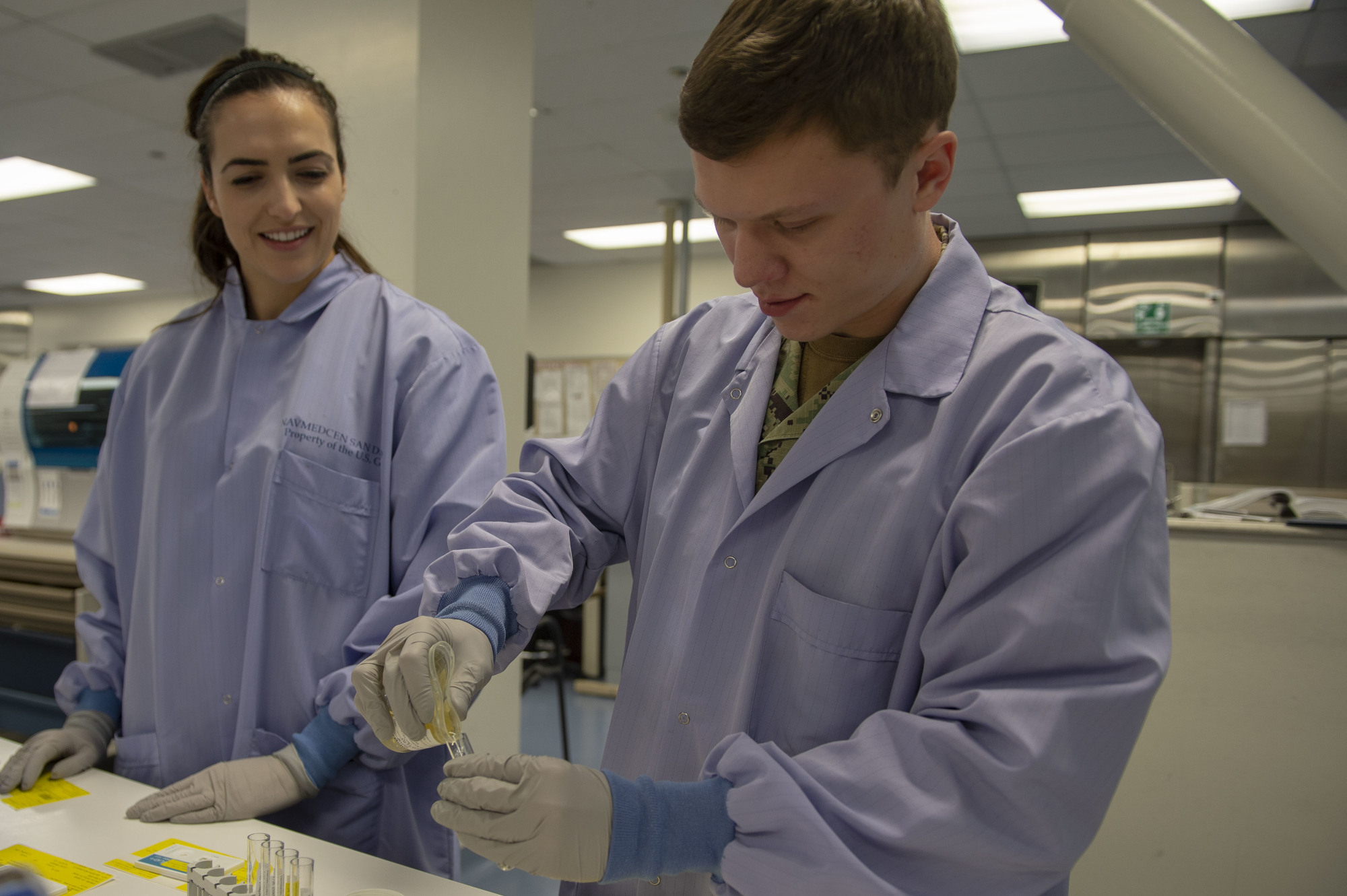
The EN 13034 standard concerns PPE for limited protection against small quantities of chemical products that are sprayed or projected at low pressure and are not very dangerous. To be compliant with the standard, PPE must undergo several tests.
The mechanical resistance test, to protect against tears, perforations or abrasion. Tensile strength is also measured.
The test for resistance to liquid penetration and repulsion.
For this, all the seams, joints and assemblies of a garment are tested and verified. The test is carried out with the application of the relevant chemical products on the fabric to determine the quantity that beads and that which passes through the fabric. These quantities must remain below the limits imposed by the standard.
Two types of garments are categorized among those standardized EN 13034. First, type 6 for complete suits (in 1 or 2 pieces) that protect the entire body. Then, type PB6 garments with the same protective properties, but over a reduced surface. That is, partial body protection as in the case of disposable protective aprons or disposable protective shoe covers.
To go further, it is advisable to complete your outfit with other PPE to limit the risks of exposure to chemical products. Such as protective gloves under the EN 374 standard for example. These are classified from 1 to 5 to determine the type of risks and resistance. It is also prudent to protect the eyes with glasses or visors placed under the EN 166 standard.

As we have just seen, the EN 13034 standard allows protection from chemical risks for professionals who are exposed to possible projections of dangerous components. A suit combined with appropriate gloves and protective glasses will ensure safe work.
On vetsecurite.com, we offer a wide range of workwear products and PPE designed for professionals in many sectors of activity. Find our work clothing, safety shoes as well as an eco-responsible range at the best price.