 The best equipment for pros and enthusiasts alike


-
 Professions
-
-
-
-
-
-
-
-
All Tops
![All Tops]()
-
-
-
All Bottoms
![All Bottoms]()
-
-
-
All Footwear
![All Footwear]()
-
-
-
All Bags
![All Bags]()
-
-
-
All Accessories
![All Accessories]()
-
-

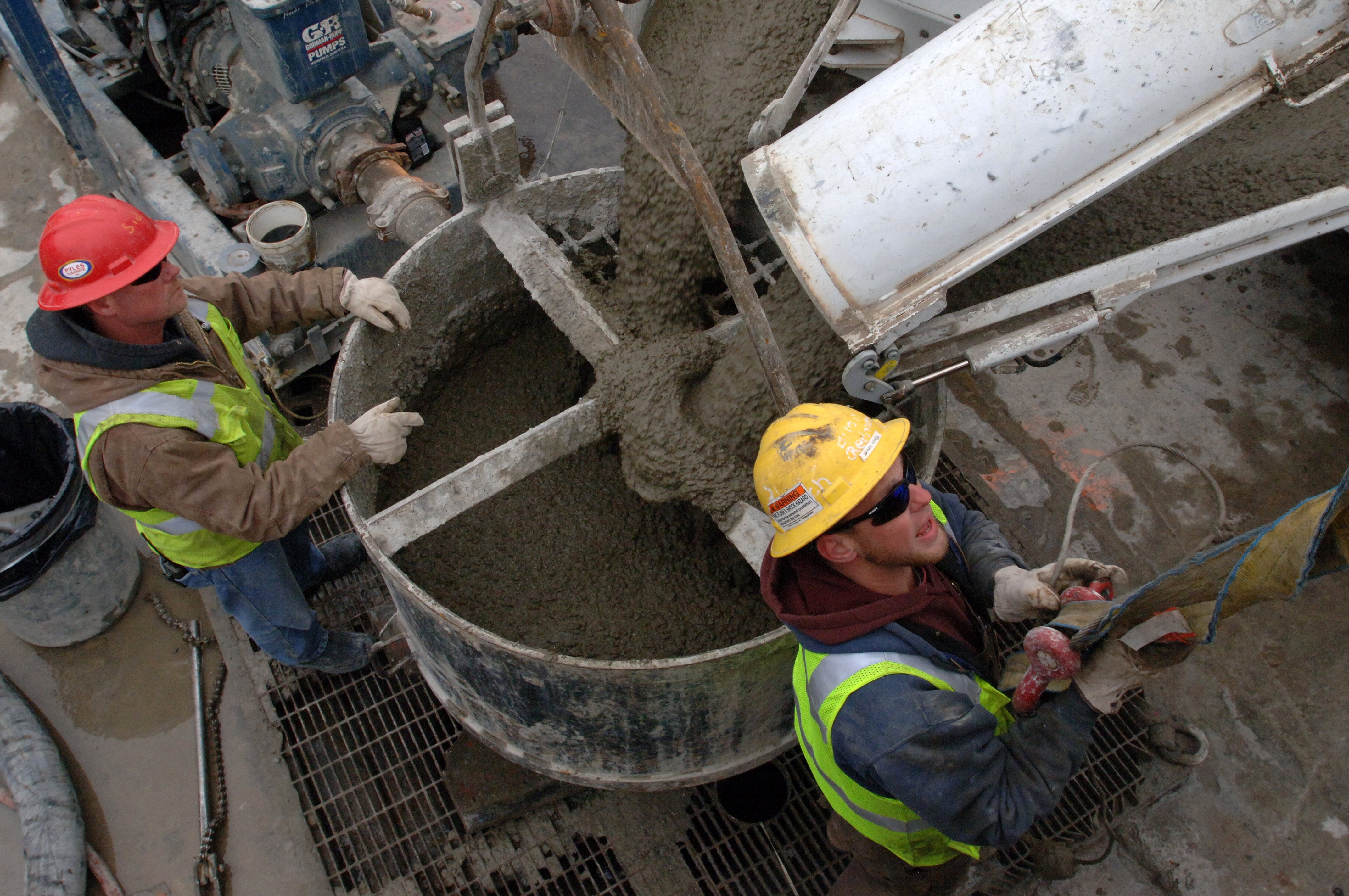
Whether for construction sites, tree pruning work, or any other profession involving impact risks or falls, wearing head protection is essential. Different European standards help determine the level and type of safety required to ensure peaceful work for the wearer of a helmet or work cap. Let's examine together in detail the main categories defined by these standards.
Table of Contents:
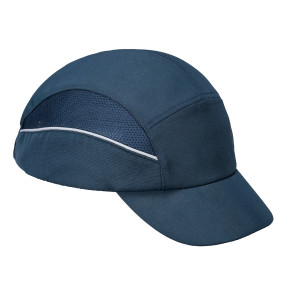
Bump caps
The EN 812 standard classifies caps that protect the head from impacts against hard and immobile objects. Impacts with these can cause superficial injuries or cuts to the skull, so the standard certifies protection in this scenario with robust and solid caps. Such accessories are equipped with a ventilated shell that meets the safety requirements of the standard. However, a bump cap does not prevent risks of falling objects and therefore cannot replace a helmet. Caps should be favored in professional fields indoors such as industry, food processing, plumbing, maintenance, automotive repair, or any other sector that may require work in a bent or kneeling position.
Protective helmets
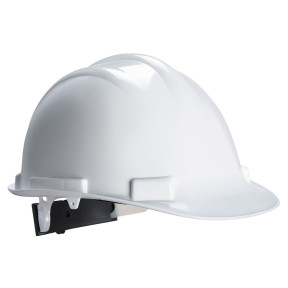
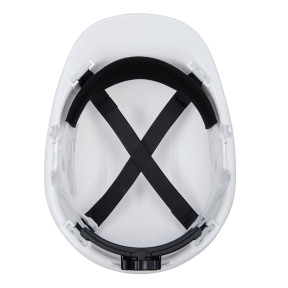
Professional safety helmets are regulated by the EN 397 standard. This is characterized by several requirement criteria. The helmet must first be able to absorb impacts up to 5 kN, approximately equivalent to a 500 kg object. It must be resistant to perforation by a mass up to 3 kg. The helmet must also be flame resistant, made with a durable compound over time, and its chin strap must be able to withstand a force of 25 daN.
A helmet complying with EN 387 standard must have markings that specify at minimum the type of material the helmet is made of, production date, size, standard, manufacturer, and model name. Any additional specifications must also be indicated. Here below is a summary of these additional characteristics.
|
-20 °C / -30 °C / -40 °C |
Low temperature resistance |
|
+150 °C |
Very high temperature resistance |
|
Lateral deformation resistance |
|
|
Molten metal splash resistance |
|
|
440 V AC |
Electrical insulation up to 440 volts AC |
Additional standards for helmets
In addition to the EN 397 standard, helmets can be certified by additional standards for more specific needs. The two main ones being the EN 12492 and EN 50365 standards.
The EN 12492 standard concerns protective helmets for climbing and mountaineering. These helmets are designed for work at height, such as tree pruning. Under this standard, they must be able to absorb a vertical or lateral impact up to 10 kN. They resist perforation by a 3 kg mass, tearing, and ensure strong retention on the head even after a violent impact. The chin strap resists a force of 20 daN.
The EN 50365 standard characterizes insulating helmets for electrician protection. Such helmets protect the wearer against electrocution risks. They are used in case of electrical contact during work near voltages up to 1000 volts in alternating current and 1500 volts in direct current. This type of helmet provides protection far superior to the optional 440 V AC specification of helmets with only the EN 397 standard. They are identifiable by a double triangle symbol that must be affixed with other markings.

Additional protections
In addition to the head protection provided by the helmets we mentioned, other PPE ensures eye or ear safety. In this regard, some helmets offer all-in-one solutions for optimal protection.
First, the EN 352 standard defines noise protection. The EN 352-3 class specifically defines ear protectors mounted on safety helmets. The wearer is then protected from noise ranging from 20 to 35 dB.
The EN 1731 standard concerns eye and face safety with mesh-type protection. This is a visor incorporated into helmets. It helps prevent mechanical risks to the face and eyes.
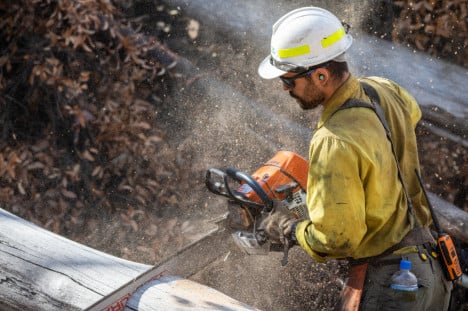
These protections will be required, for example, in forestry fields with chainsaw handling. In this context, the Pheos forestry helmet from the Uvex brand combines these two requirements for complete protection.
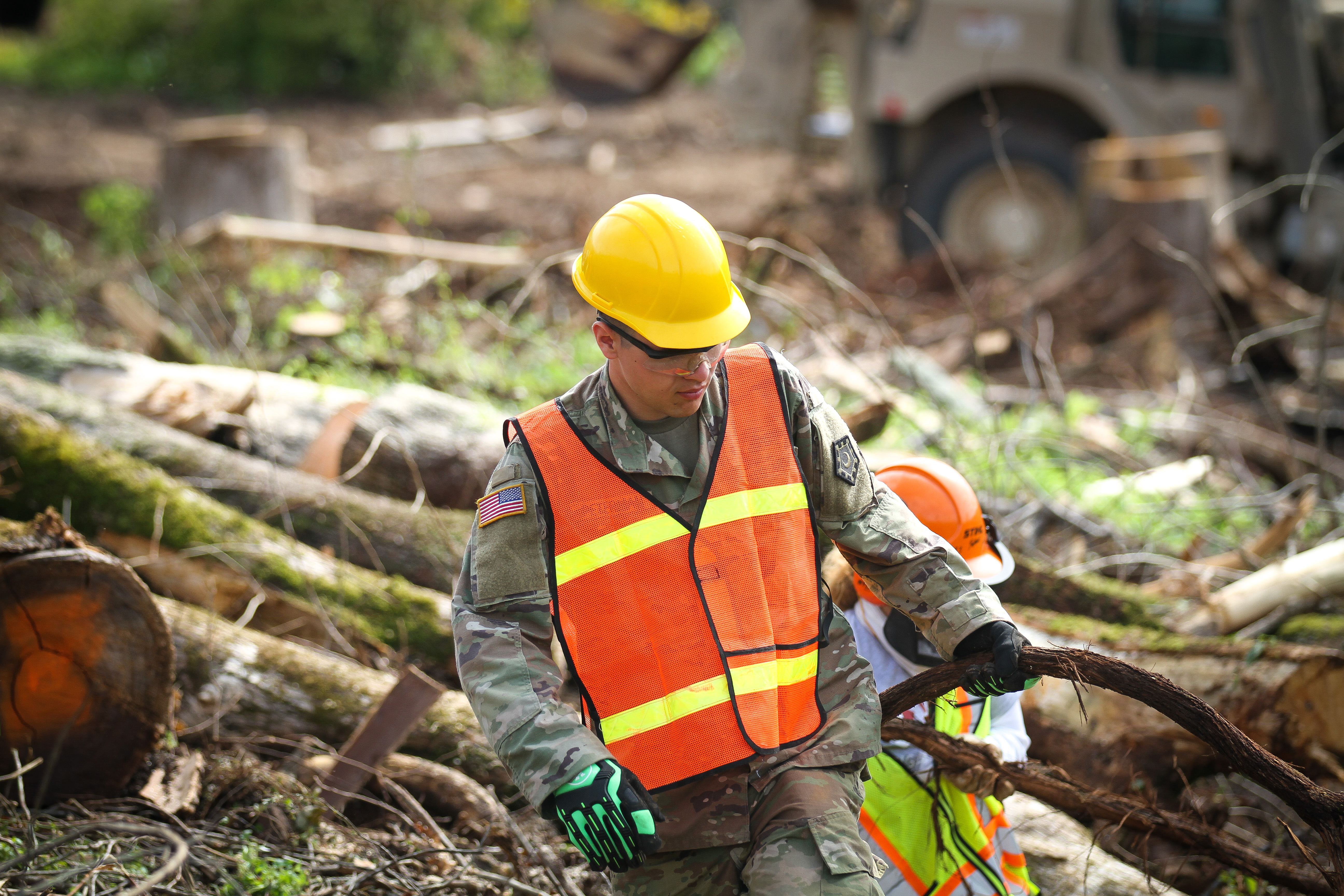
As we have just seen, depending on the risks you may be exposed to when practicing your profession, a wide range of head protection is available. Whether it's a bump cap or a helmet, it's important to carefully study the needs of your profession to ensure safety in your workplace.
Related products
Related articles


-
![Over 200 brands At the best price]() Over 200 brands At the best price
Over 200 brands At the best price -
![Secure payment In 3 or 4 interest-free installments]() Secure payment In 3 or 4 interest-free installments
Secure payment In 3 or 4 interest-free installments -
![Delivery across Europe As soon as possible]() Delivery across Europe As soon as possible
Delivery across Europe As soon as possible -
![Customer service Monday to Friday]() Customer service Monday to Friday
Customer service Monday to Friday


