The best equipment for pros and enthusiasts alike



-15%
 Professions
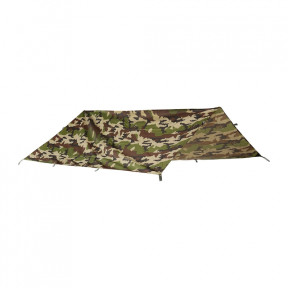
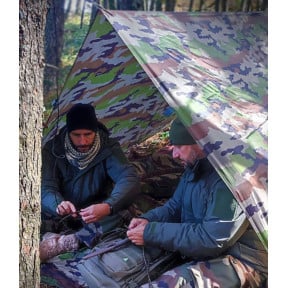
Tarps are robust and waterproof tarps that allow creating temporary shelters in the form of stretched canvas. In bushcraft, tarps effectively cover a hammock for sleeping under shelter. In bivouac, they allow creating shelters that are easy to set up. They offer a very valuable weight gain and space saving in organizing your backpack.
This is why we will offer you different ways to set up your camp depending on the situations you face using your tarp.
Table of Contents:
The fabric of a tarp is extremely resistant to tension and creasing and can be used in the most extreme situations. However, it's a fabric, so it has a major disadvantage that can easily harm its effectiveness: perforation.
The tarp is very light but be careful with its use. It relies on the knowledge and experience you possess. Don't go bivouacking without having previously assembled and disassembled your shelter several times. It's a matter of practice and training, the more you use it the easier it will be for you to install it.
For installing your shelter, it is preferable to find flat ground. However, this is not always possible, which is why you need to know how to deal with this kind of situation. In this specific case, a solution is possible. Locate two relatively solid trees, at close distance and preferably sheltered from wind to install your hammock. You can then fix your tarp above to protect yourself from bad weather and insects. Moreover, using a hammock will allow you to be protected from the ground. In this case, you don't have to worry about humidity or even wildlife that could disturb you.
As shown below, you can now find the Crossed Hammock from the Highlander brand on our online site.

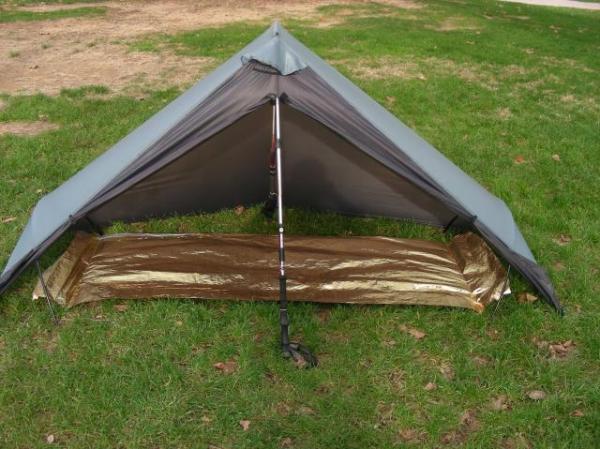
Installing a tarp in half-tipi setup is extremely useful against bad weather. It provides good protection and proves quite robust. To install it, no need for trees, but only a pole. Adjust the height of this pole according to the space you want to have under your shelter. Keep in mind that the more height space there is, the less width there will be and vice versa. If you have to face bad weather, favor a fairly low shelter that will protect you best.
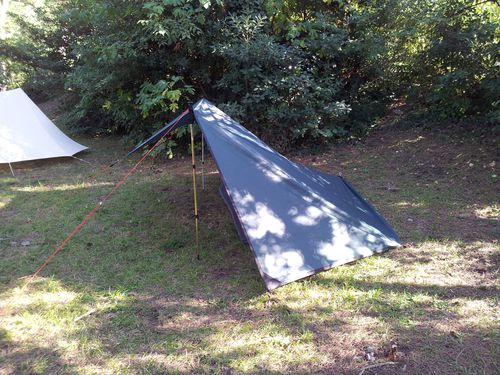
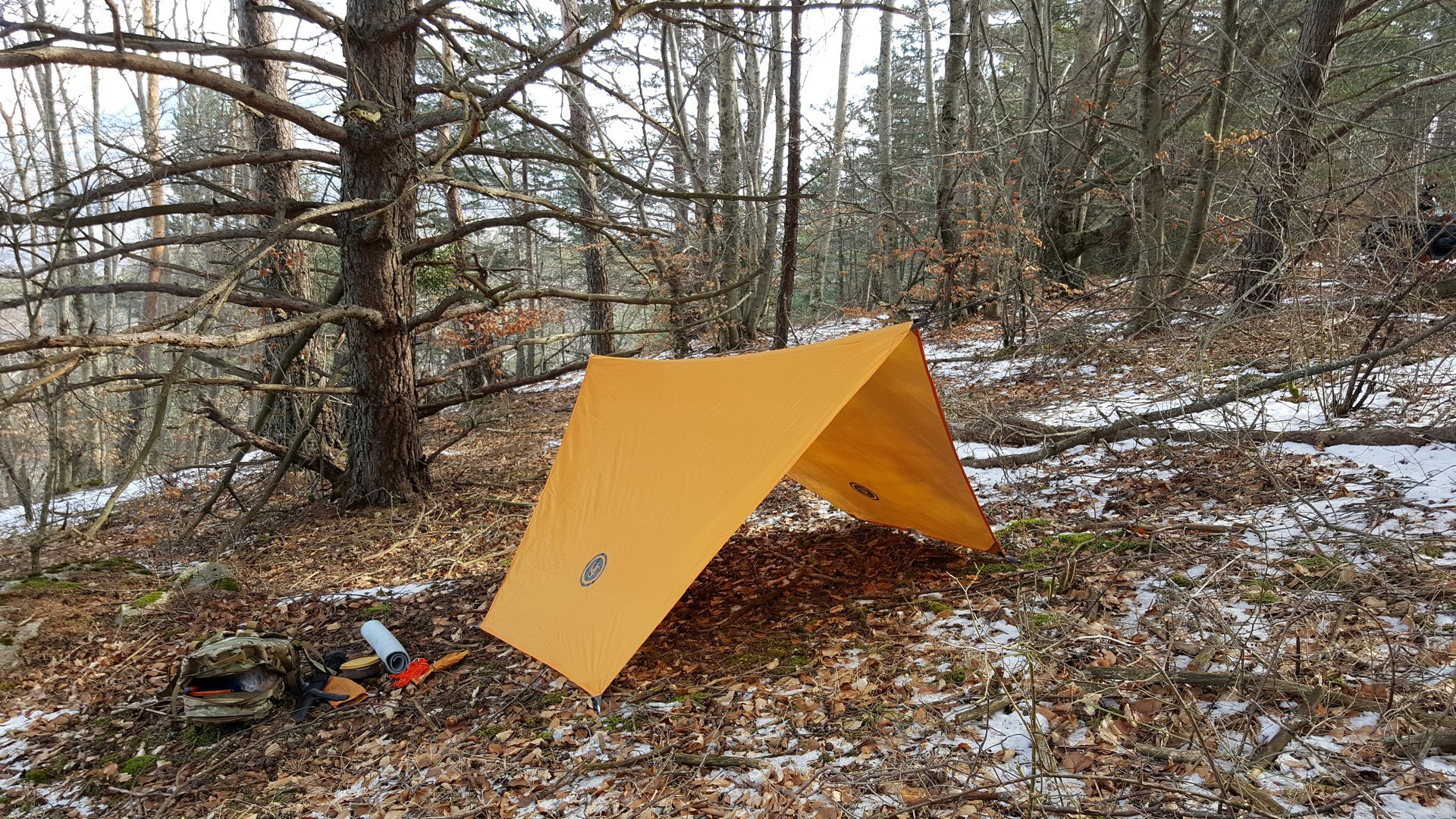
This installation consists of fixing the tarp supported on only one side, all fixed between two trees. If you are not able to fix it to two trees, you can use two branches and block them in the eyelets of your tarp. This type of setup protects from wind when properly positioned, but does not allow protection from air since it is completely open to the outside. For summer use to provide shade from the sun.
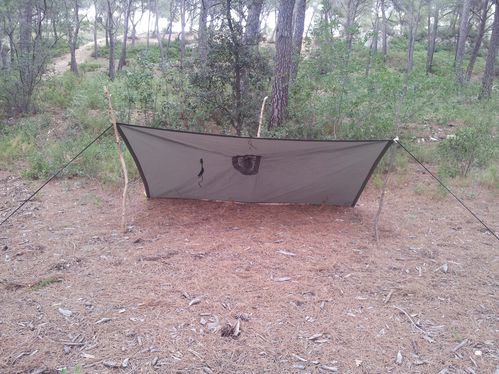
The Canadian setup consists of stretching the tarp on each side of the guy rope at equal distance. This setup, although less spacious, provides better protection against outdoor conditions, but it also allows maintaining body heat. Perfect use in winter to combat the cold. Moreover, it can be raised to cover a hammock as mentioned previously.